



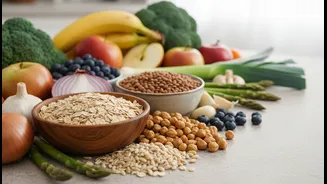


Your Gut: A Thriving Inner Garden
Think of your digestive system, specifically your large intestine, as a bustling internal garden. This garden is home to trillions of microorganisms, including bacteria, fungi, and viruses, collectively known as your gut microbiome. This microscopic community
is essential not just for digestion, but also for your immune system, metabolism, and even your mood. A healthy, diverse microbiome helps protect you from harmful pathogens, produces essential vitamins, and reduces inflammation. However, an unhealthy gut environment has been linked to a wide range of issues, from acid reflux to heart disease. The key to a flourishing gut garden, just like any other, is providing the right nourishment consistently.
Fibre: The Ultimate Superfood for Your Gut
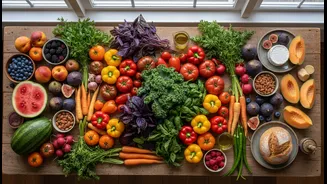
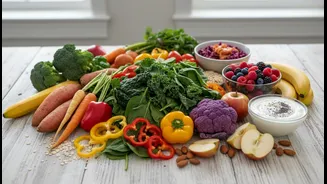
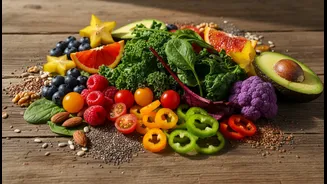
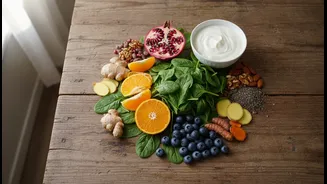
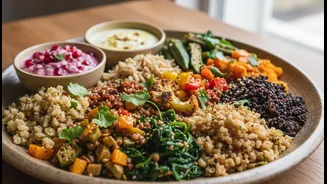
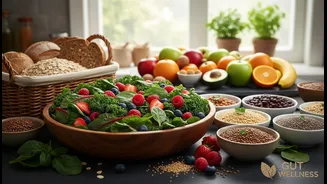
The single most important food for your good gut bacteria is dietary fibre. Fibre is a type of carbohydrate found in plant-based foods like fruits, vegetables, whole grains, and legumes that your body can't digest. Instead, it travels to your large intestine where it becomes the primary fuel for your beneficial microbes. When these good bacteria ferment fibre, they produce powerful compounds called short-chain fatty acids (SCFAs). These SCFAs nourish the cells lining your colon, strengthen your gut barrier to keep harmful substances out, reduce inflammation, and may even lower the risk of certain cancers. There are two types of fibre, soluble and insoluble, and both are crucial. Soluble fibre, found in oats, beans, and apples, slows digestion, while insoluble fibre, in whole grains and leafy greens, adds bulk and promotes regularity.
The Wellness Product Trap
The wellness industry often promotes quick fixes like 'gut cleanses,' detox teas, and expensive probiotic supplements as the path to digestive bliss. However, scientific evidence for the effectiveness of most of these products is thin. So-called 'colon cleanses' or 'detoxes' are based on an outdated theory and can be risky, causing side effects like dehydration, electrolyte imbalances, and disrupting the natural balance of your gut flora. Your body already has a highly efficient detoxification system: your liver and kidneys. Probiotic supplements, which introduce live bacteria, can be helpful in specific situations, like after a course of antibiotics, but they are not a substitute for a healthy diet. Without a steady supply of fibre to feed them, new bacteria from supplements are unlikely to thrive and create lasting change.
Simple Ways to Boost Your Fibre Intake
Increasing your fibre doesn't require a drastic overhaul of your diet. Most adults should aim for 25 to 38 grams per day. You can start with small, consistent changes. In an Indian context, this is highly achievable. Begin your day with oatmeal or a whole-wheat paratha instead of refined flour options. Incorporate more lentils and beans, such as dal, chana, and rajma, into your main meals. Make sure every meal includes a serving of vegetables, from leafy greens like spinach and methi to cauliflower and carrots. Snacking on fruits like apples, bananas, and berries is another easy win. Choosing brown rice over white rice and opting for whole-grain breads are simple swaps that significantly boost your fibre consumption over time. Remember to increase your intake gradually and drink plenty of water to help your digestive system adapt.