



Understanding the 'Off-Peak' Advantage
Vietnam's weather is complex, with three distinct climate zones. This means there's almost always a good time to visit somewhere. The main peak tourist season generally runs from December to April, when the weather is driest and most pleasant across the country.
Conversely, the off-peak or shoulder seasons fall roughly between April to June and September to November. These periods are the sweet spot. They offer a reprieve from the biggest crowds and highest prices while still providing great travel conditions. While often called the 'rainy season,' the rain in many parts of Vietnam, particularly the south, comes in short, predictable afternoon bursts, leaving the rest of the day clear for exploration.
The Accommodation Upgrade: Boutique Stays on a Backpacker Budget
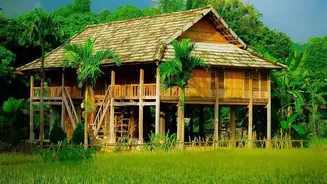
The most tangible benefit of off-season travel is the significant drop in accommodation prices. During peak months, a hostel dorm bed might be your only option in popular hubs like Hanoi or Hoi An. But in the shoulder season, hotel and resort prices can drop by as much as 30-50%. For a young backpacker, this is a game-changer. Suddenly, that private room in a stylish boutique hotel or a comfortable homestay with a pool becomes affordable. The daily budget that would only cover a basic dorm in December could get you a far more luxurious and private experience in May or September, allowing you to rest and recharge in comfort after a long day of exploring.
Skip the Queues and Own the Views
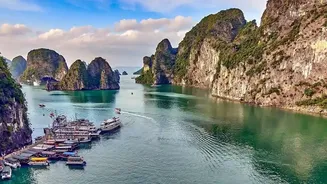
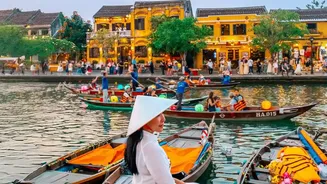
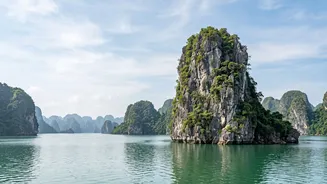
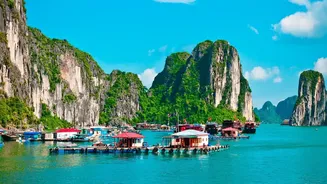
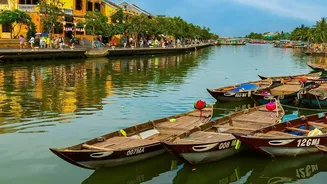
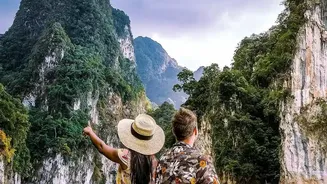
Imagine wandering through Hoi An's enchanting lantern-lit streets without shoulder-to-shoulder crowds or getting that perfect photo at Ha Long Bay without a dozen other boats in your shot. This is the reality of off-peak travel. Major tourist attractions that feel overwhelming during high season become far more serene and enjoyable. You’ll spend less time waiting in lines and more time soaking in the atmosphere. This is particularly true for natural wonders and historical sites, where fewer people translate to a more intimate and authentic experience. The slower pace allows for more spontaneous discoveries and a genuine connection with the places you visit.
Your Rupee Goes Significantly Further
Beyond cheaper hotels, your overall travel costs shrink during the off-season. With fewer tourists, demand for flights, tours, and even some restaurant meals decreases, leading to lower prices. A daily budget for a comfortable backpacker in Vietnam might be around ₹3,300-₹4,300, but this stretches much further in the low season. The money saved on a Ha Long Bay cruise or a multi-day trek in Sa Pa can be reallocated to other experiences—be it a cooking class, a spa treatment, or simply enjoying more of the country’s incredible street food, where a delicious meal can cost less than ₹200.
Embrace the Green Season
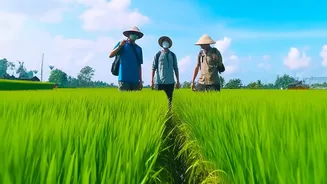
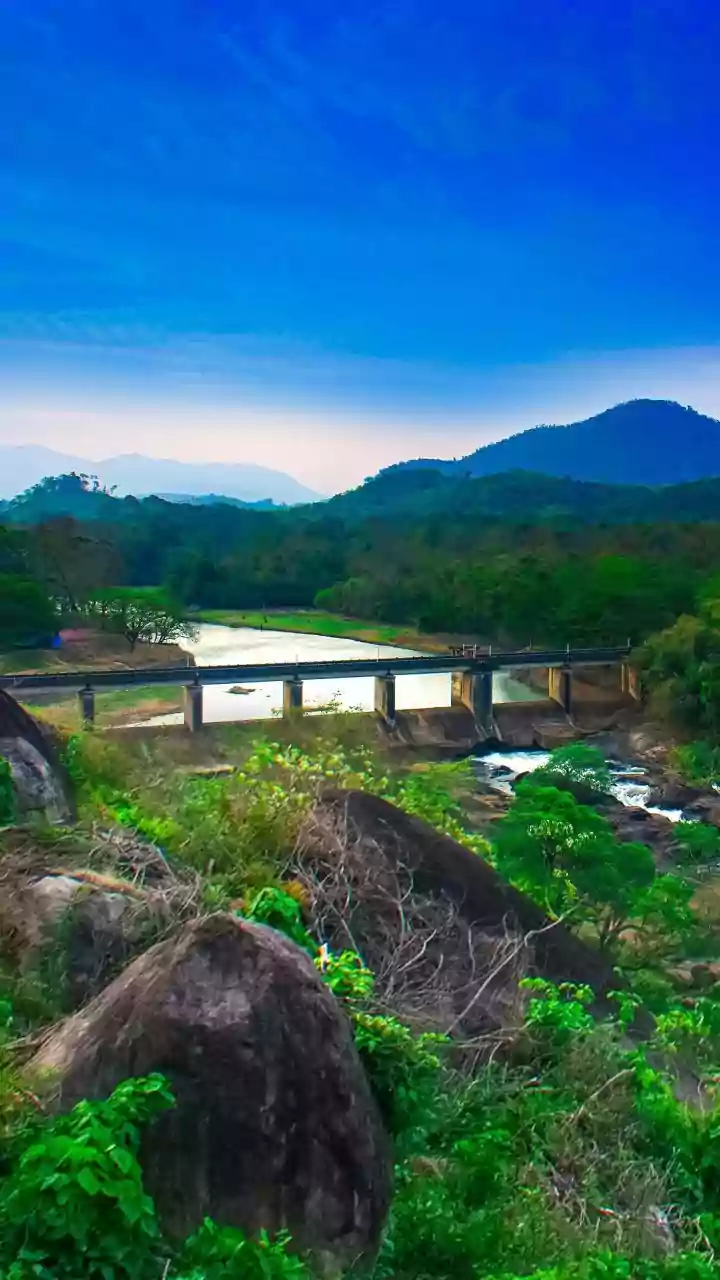
The term 'rainy season' often conjures images of washed-out holidays, but in Vietnam, it's the 'green season'. The rains transform the countryside into a breathtakingly lush and vibrant landscape. Rice paddies are at their most verdant, waterfalls are thunderous and impressive, and the air feels fresh and clean after a brief downpour. For photographers and nature lovers, this period offers a visual feast that the drier, dustier high season simply can't match. While you might need to be mindful of slippery trails if you’re trekking, the spectacular scenery is more than worth packing a light rain jacket.
More Authentic Local Interactions
When tourist numbers dip, local business owners and residents are often more relaxed and have more time to interact. The transactional rush of the high season gives way to warmer, more genuine encounters. You might find yourself having a longer chat with a coffee shop owner, getting insider tips from your homestay host, or simply experiencing a more relaxed pace of life alongside the locals. This opportunity for deeper cultural immersion is a form of luxury that money can't buy, and it's far more accessible when you're not just one of a thousand faces in a crowd.