





A Landmark Scientific Review
In the world of nutrition, it's rare for a single piece of research to cut through the noise, but a recent review published in the journal Cell Press Blue has done just that. A team of researchers analyzed decades of evidence from more than 350 studies
on protein consumption, health, and aging. The goal was to synthesize our understanding of protein's role in the body, and the findings challenge the simple 'more is better' philosophy that has dominated popular diet culture. Instead of just looking at grams of protein, the review pushes us to consider the bigger picture of our dietary patterns.
Beyond Grams: Diet Quality Takes Center Stage
For years, the focus has been on hitting a specific daily protein target. However, this massive review suggests that for most people who aren't elite athletes or trying to build significant muscle, the overall quality of their diet matters more than the precise quantity of protein. Nutrition science is increasingly moving away from a focus on single nutrients and toward evaluating whole dietary patterns. This is because foods are complex, and their nutrients work together. A diet rich in fruits, vegetables, whole grains, and healthy fats is consistently linked to better health outcomes, and this review reinforces that protein should be considered within that context.
The 'Protein Package' Concept
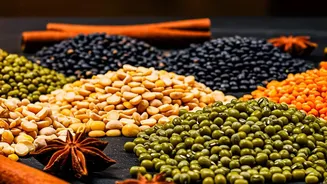
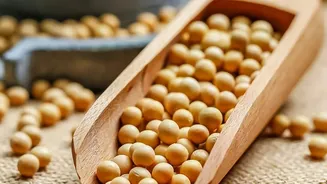
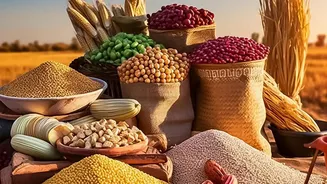
A key takeaway is the importance of the 'protein package'—everything that comes along with the protein in a food. For example, a serving of lentils provides protein, but it's packaged with beneficial fiber, vitamins, and minerals. In contrast, some animal protein sources might come packaged with higher levels of saturated fat and sodium. This concept reframes the choice not as just 'getting protein', but as choosing the healthiest overall food source. Replacing red and processed meats with high-quality plant proteins like beans, nuts, and soy has been linked to a lower risk of heart disease and type 2 diabetes.
A Nuanced View on Plant vs. Animal Protein
The review doesn't declare a simple winner between plant and animal protein. Instead, it highlights that a greater reliance on plant-based protein sources is associated with better health outcomes, especially when they replace red and processed meats. Studies have shown that swapping even a small percentage of animal protein for plant protein can lead to a lower risk of premature death. While animal proteins are considered 'complete' because they contain all nine essential amino acids, it's entirely possible to get all necessary amino acids from a varied plant-based diet. The crucial factor is the overall dietary pattern rather than a strict adherence to one type of protein.
What Does This Mean For You?
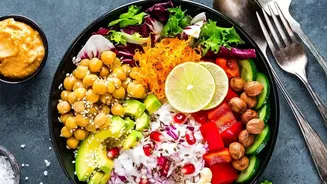
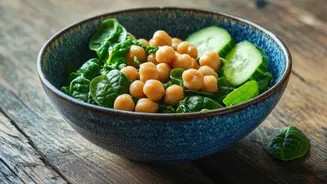
For the average person, this new perspective can simplify healthy eating. Rather than meticulously tracking protein grams, the focus should be on improving the quality of your meals. Try incorporating more plant-based protein sources like chickpeas, tofu, quinoa, and nuts into your weekly routine. When you do eat animal protein, opt for leaner choices like fish and poultry over processed meats. The evidence suggests that for most sedentary adults, consuming more protein than needed may even have negative health consequences, while simply meeting the recommended daily allowance is sufficient for better health outcomes. The goal is balance and variety, creating a sustainable, healthy eating pattern for the long term.