






The Cooking Oil Question
Cooking oil is the base for countless festive snacks and sweets, and its price is a major budget factor. As of September 2026, edible oil prices have been volatile. India, which imports nearly two-thirds of its edible oil, is sensitive to global trends.
Factors like Indonesia and Malaysia diverting more palm oil for biofuel are tightening supplies. While the government has taken steps to manage prices, including adjusting import duties, consumers should brace for potentially higher costs. Specifically, palm and soybean oil prices have been firm. Keep an eye on the prices of sunflower and mustard oil as well; while domestic production of mustard has been strong, global events can cause sudden shifts. Planning to buy your oil supply a little in advance could be a smart move.
The Price of Sweetness
No Indian festival is complete without mithai. This year, the cost of sugar, its main ingredient, is a significant concern. Prices saw a sharp spike in August, and while there has been some cooling, they remain elevated compared to last year. Lower-than-expected sugarcane production, coupled with a diversion of crops for ethanol production, has tightened domestic supply. The government has intervened by allowing some duty-free imports to stabilise prices ahead of the festive rush. However, with demand set to peak during Dussehra and Diwali, economists expect prices to remain firm. This will impact the cost of both store-bought sweets and homemade preparations like laddoos and halwa.
The Unstable Vegetable Basket
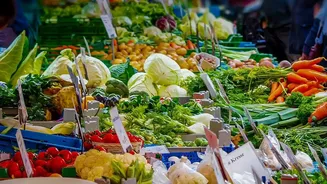
Key vegetables are notorious for price swings, and this year is no different. Onions, a staple in festive cooking, are a primary item to watch. Inflation for onions jumped significantly in August, and prices are expected to stay high as old stocks deplete before the new kharif harvest fully enters the market. On the other hand, tomato prices, which were sky-high a couple of months ago, have seen a significant drop, providing some relief. The erratic 2026 monsoon, which has been the driest in years in some parts, is a major factor driving this uncertainty. This has impacted crop yields and sowing patterns, meaning prices for other vegetables could also fluctuate.
Pulses, Grains, and Dals
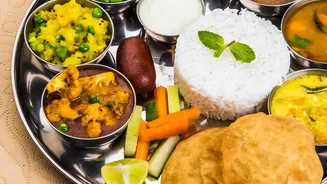
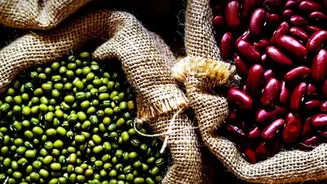
Pulses and grains form the heart of many festive meals, from puris to pulao. Overall food inflation has been creeping up, with rural households feeling the pinch more acutely. The uneven monsoon has raised concerns about the output of kharif crops, including key pulses like tur and chana dal. A shortfall in rainfall in major growing regions could lead to tighter supplies and higher prices as the festive season progresses. While rice production is expected to be relatively stable, any disruption in supply chains can affect local market rates. Monitoring the wholesale prices of essential dals and basmati rice in the coming weeks will be crucial for budget planning.
Dairy and Festive Luxuries
Ghee, paneer, and milk are essential for making rich gravies and sweets. While dairy prices have not seen the same dramatic spikes as some other categories, general inflation continues to apply upward pressure on these items. For festive luxuries like dry fruits and nuts, prices are often linked to import costs and currency fluctuations. Almonds, walnuts, and pistachios, which are largely imported, can see price changes based on global supply chains and the rupee-to-dollar exchange rate. It's often wise to purchase these non-perishable items well before the last-minute festive rush to avoid peak pricing and secure better deals.