
An Aesthetic of Authenticity
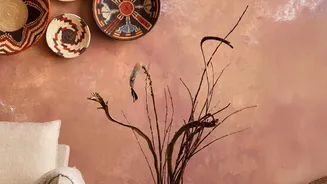
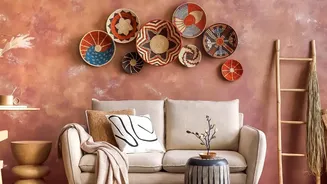
The turn towards terracotta is, first and foremost, a visual statement. In a world saturated by digital filters and flawless imagery, there is a growing appetite for the real and the tangible. Gen Z decorators are consciously moving away from the cold,
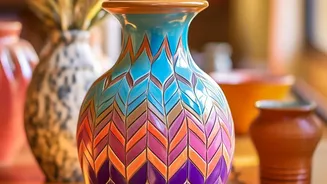
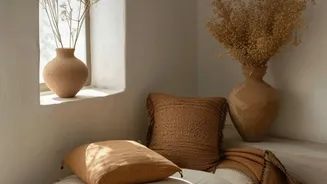
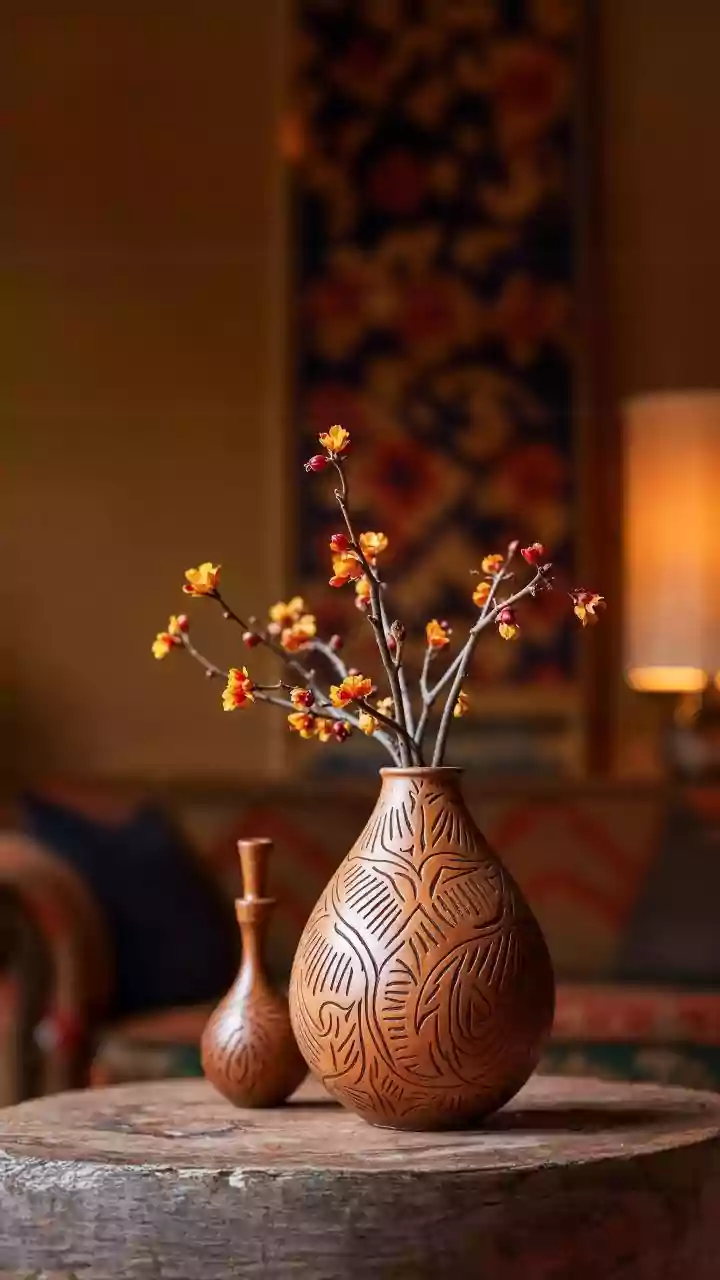
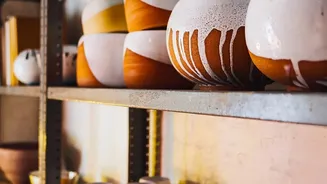
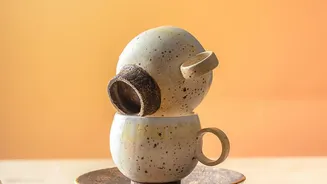
impersonal feel of factory-made decor that defined previous years. The appeal lies in terracotta's 'perfect imperfections'—the subtle variations in colour, the unique texture, and the knowledge that each piece was shaped by human hands. This embrace of natural flaws adds a layer of soul and character to a home, transforming sterile apartments into personal sanctuaries that feel grounded and unique. The warm, matte surface of terracotta is also incredibly photogenic, aligning perfectly with the curated-yet-natural aesthetics popular on Instagram and TikTok.
A Purchase with a Purpose
For this generation, consumption is often an extension of their values. The choice to buy handcrafted terracotta is deeply rooted in a commitment to sustainability and ethical practices. Terracotta is a natural, biodegradable material, and its production typically requires less energy than plastic or metal alternatives. This aligns with a desire for a more planet-friendly approach to consumption. Furthermore, investing in these pieces is seen as a way to support local artisans and preserve traditional crafts, many of which have struggled against mass manufacturing. For many young buyers, it is a conscious move to redefine luxury not as something flashy, but as timeless pieces rich in tradition, story, and social responsibility.
A Connection to Heritage
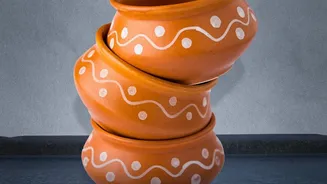
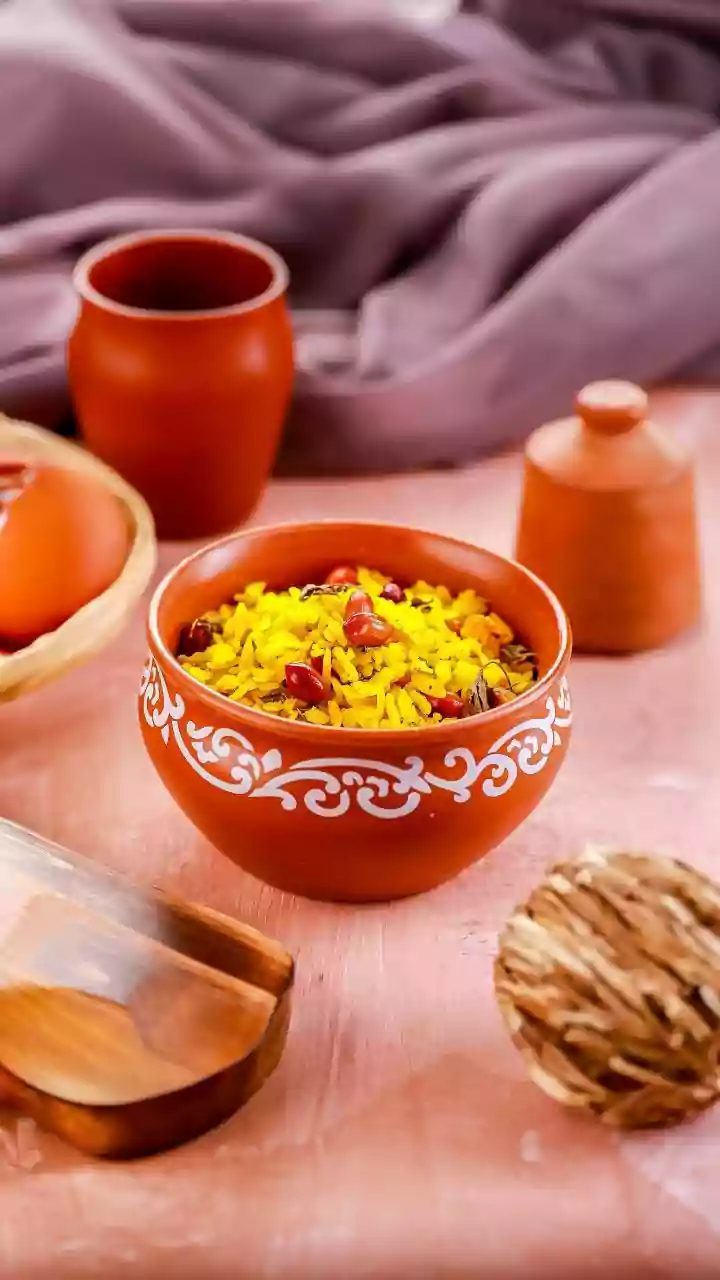
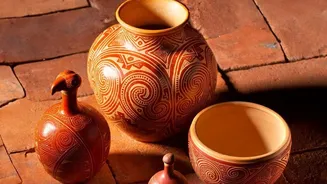
In India, terracotta is not a new trend but a timeless tradition. Its history dates back thousands of years to the Indus Valley Civilization, where it was used for everything from spiritual figurines to everyday vessels like water pots (matkas) and tea cups (kulhads). For many young Indians, embracing terracotta is a way of connecting with their own cultural heritage. It’s a quiet rebellion against globalised uniformity, opting instead for objects that have a distinct sense of place and history. By bringing items like hand-painted plates or traditionally shaped pots into their modern homes, they are weaving a thread of continuity between the past and their contemporary lives, making their spaces feel more meaningful.
Elevating the Everyday Ritual
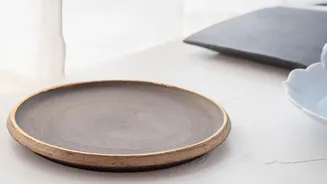
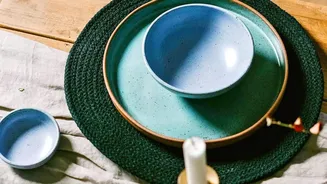
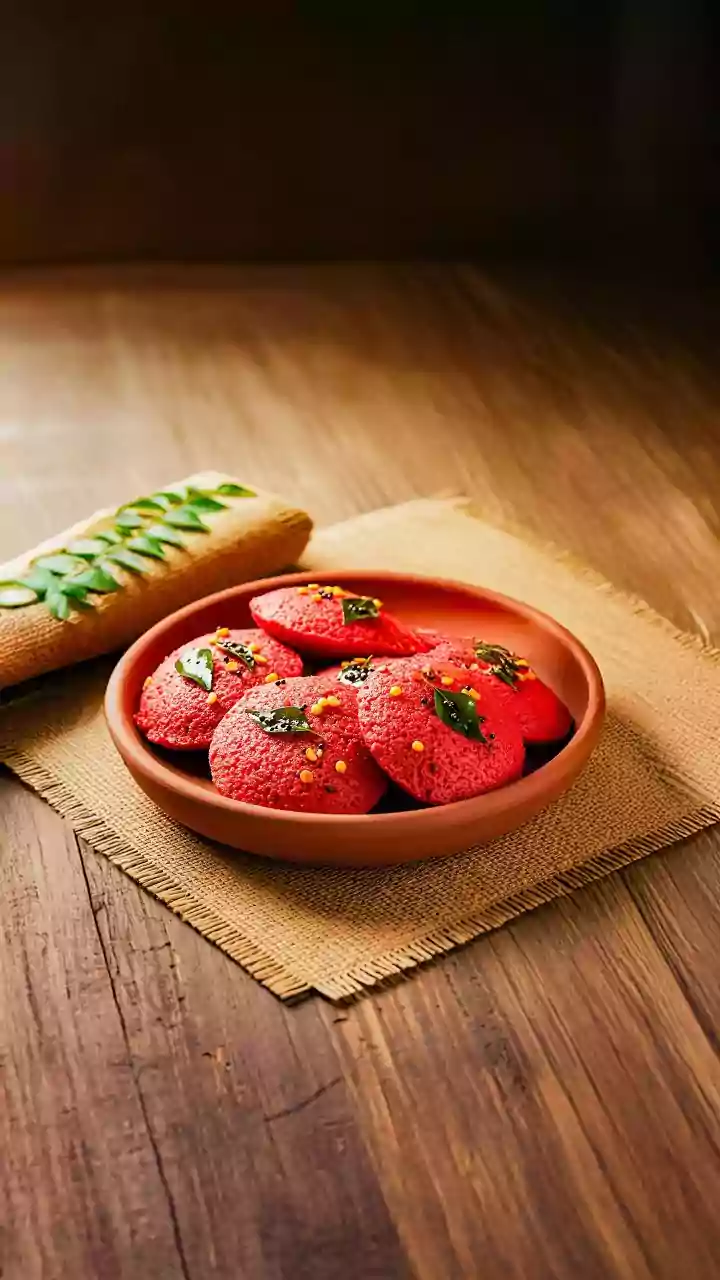
Beyond aesthetics and ethics, using terracotta dinnerware changes the experience of a simple meal. Clay is porous and has excellent heat retention properties, which means it can keep food warm for longer. Some home cooks and chefs even note that the alkaline nature of clay can subtly balance the acidity in foods, enhancing flavours in a way that metal or porcelain cannot. Using these earthy, tactile plates and bowls encourages a more mindful approach to eating. In an age of digital overload and fast-paced living, creating calming sanctuaries at home is a priority for Gen Z. The simple, grounding ritual of serving a meal on beautifully crafted, natural dinnerware contributes to this sense of peace and well-being.