








A New Generation of Trailblazers
Forget the typical tourist trail. Imagine a group of students, armed not just with water bottles and walking sticks, but also with garbage bags, data sheets, and a profound sense of purpose. This is the scene unfolding across the mountain paths of states
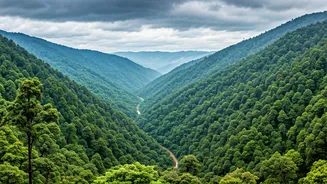
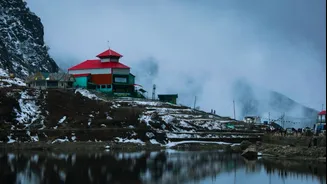
like Sikkim, Arunachal Pradesh, and Nagaland. Youth-led Eco-Clubs, often formed in schools and colleges, are pioneering a new form of exploration: the eco-trek. These journeys combine the thrill of adventure with a tangible commitment to environmental stewardship. As they navigate stunning landscapes, these young people are not just passively observing nature; they are actively working to preserve it, one step at a time.
What Makes a Trek 'Eco'?
The “eco” in eco-trek is more than just a buzzword. It represents a structured, hands-on approach to conservation. Firstly, these treks are built on the 'Leave No Trace' principle, ensuring that the group’s impact on the environment is minimal. But they go much further. A core activity is the collection and proper disposal of litter, particularly the plastic waste left behind by other trekkers, which plagues many popular Himalayan routes. Beyond clean-ups, students engage in citizen science. They learn to identify and document local flora and fauna, contributing to biodiversity databases. They monitor water sources for pollution and study the impact of climate change on the local landscape. This turns a simple walk in the mountains into a living laboratory.
The Power of the Eco-Club Movement
These initiatives are often part of a larger framework, supported by programmes like the National Green Corps (NGC) under the Ministry of Environment, Forest and Climate Change. The NGC’s objective is to establish Eco-Clubs in schools and colleges across the country to spread environmental awareness and encourage direct action. In the Northeast, this mission has found fertile ground. By empowering local students—those who have grown up in the shadow of these mountains—the programme fosters a deep, personal connection to conservation. It’s not an abstract concept dictated from a distant city; it's about protecting their own backyard, their water sources, and their cultural heritage, which is intrinsically linked to the natural world.
Why the Northeast is a Crucial Frontier
The Eastern Himalayas are a global biodiversity hotspot, home to thousands of unique species of plants and animals. This ecological treasure is also incredibly fragile, facing threats from deforestation, unsustainable tourism, and the accelerating impacts of climate change. The region’s mountainous terrain and remote communities make conservation efforts both challenging and critically important. By engaging local youth, these eco-treks create a first line of defence. These students become ambassadors for sustainability within their own communities, promoting responsible tourism and advocating for the protection of their natural inheritance. Their work is vital in balancing the economic benefits of tourism with the non-negotiable need for environmental preservation.
The Path Forward
The success of these eco-treks lies in their ability to create a ripple effect. A student who participates in a trek returns to their family and village with a new perspective and practical knowledge. They are more likely to discourage littering, advocate for waste segregation, and appreciate the economic and ecological value of a healthy environment. The challenge now is to scale these efforts, providing more clubs with the resources, training, and support they need to expand their activities. The goal is to embed this culture of environmental responsibility so deeply that it becomes second nature for the next generation, ensuring the spectacular paths of the Northeast remain so for centuries to come.