




Prioritise Protein to Stay Full
One of the biggest challenges during Navratri fasting is getting enough protein, which is crucial for maintaining energy levels and preventing muscle loss. Many traditional fasting meals are heavy on carbohydrates and fats, leaving you feeling sluggish.
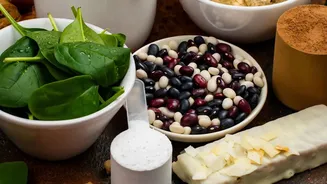
To create a more balanced plate, intentionally include permissible protein sources in every meal. Paneer (cottage cheese) is an excellent and versatile option that can be grilled, stir-fried, or added to vegetable dishes. Dairy products like milk, curd (yoghurt), and buttermilk are also fantastic for providing protein and calcium. Nuts and seeds, such as almonds, walnuts, and peanuts, not only add protein but also healthy fats that help you feel full for longer. Even pseudo-grains like amaranth (rajgira) are surprisingly high in protein.
Choose Complex Carbs for Lasting Energy
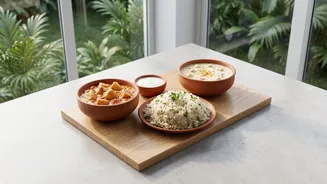
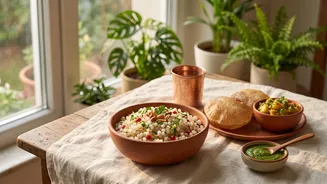
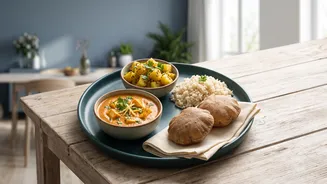
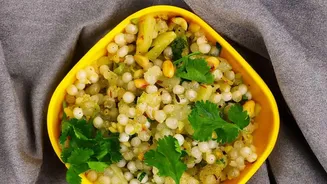
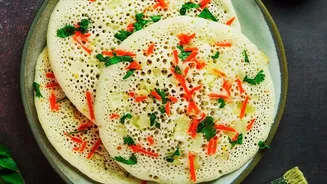
Potatoes and sabudana (tapioca pearls) are staples in Navratri meals, but relying on them exclusively can lead to energy spikes and crashes. While they provide quick energy, they are primarily simple carbohydrates. A balanced meal incorporates complex carbohydrates that digest more slowly, providing a steady release of energy. Excellent alternatives include flours like buckwheat (kuttu), amaranth (rajgira), and water chestnut (singhara). These can be used to make rotis, cheelas, or dosas that are far more nutritious than deep-fried puris. Similarly, barnyard millet (sama rice) is a wonderful substitute for regular rice and is rich in fibre and protein. Sweet potatoes are another great choice, offering fibre and essential vitamins along with carbohydrates.
Embrace Healthy Fats and Mindful Cooking
Navratri fasting often becomes synonymous with deep-fried foods like puris, pakoras, and vadas. While delicious, these items can make you feel heavy and lethargic. A balanced approach involves using healthy fats in moderation and choosing smarter cooking methods. Instead of deep-frying, try roasting, steaming, grilling, or sautéing your food. For instance, sweet potatoes can be roasted instead of fried, and tikkis can be pan-fried with minimal ghee. Ghee, in small quantities, is a healthy fat to use for cooking. Nuts, seeds, and peanuts are other great sources of healthy fats that contribute to satiety and overall nutrition.
Don't Forget Fruits, Vegetables, and Hydration
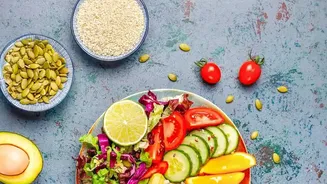
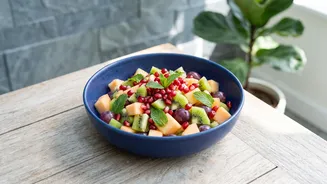
Fruits and vegetables are packed with essential vitamins, minerals, and fibre, making them a crucial part of a balanced fasting diet. Incorporate a variety of permissible vegetables like pumpkin (kaddu), bottle gourd (lauki), and cucumber into your meals. Fruits provide natural sugars for a quick energy boost and help you stay hydrated. Speaking of hydration, it is one of the most overlooked aspects of fasting. Dehydration can lead to headaches and fatigue. Aim to drink plenty of water throughout the day. Coconut water, buttermilk (chaas), and lemon water are also excellent choices to maintain your body's electrolyte balance, but avoid sugary, carbonated drinks.
Practice Mindful Eating with Smaller, Frequent Meals
How you eat is just as important as what you eat. Instead of having one or two large meals, which can overwhelm your digestive system, it is better to eat smaller, more frequent meals. This approach helps maintain stable blood sugar levels, prevents acidity, and keeps your metabolism active. Eating every few hours ensures you have a steady supply of energy throughout the day, preventing the extreme hunger that can lead to overeating later. Pay attention to your body's signals of hunger and fullness, and practice portion control even with fasting-friendly foods.