




An Unwanted Ingredient in Indian Kitchens
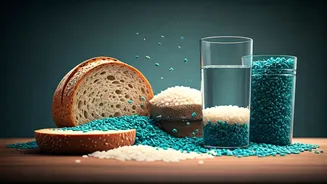
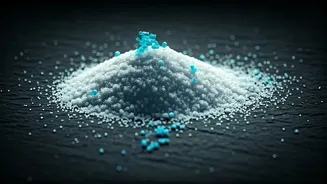
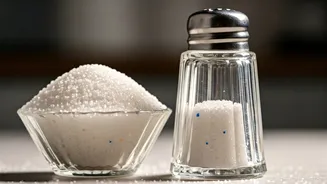
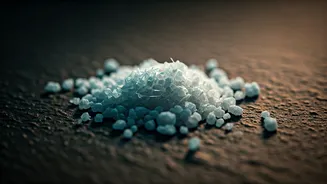
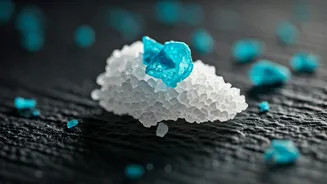
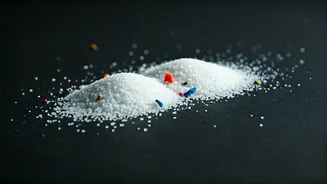
A recent study by environmental research organisation Toxics Link has brought an unsettling reality to light: microplastics are present in all tested brands of salt and sugar in India. The study analysed a range of products, from common table salt to organic
rock salt and various sugar types, and found plastic contamination in every single sample. The highest concentration was found in iodised salt, which often undergoes more processing and is packaged in plastic. This isn't just a local issue; similar studies globally confirm that staples like salt are widely contaminated. The findings have prompted India's food safety authority, FSSAI, to launch a project to better understand the prevalence and establish safety standards for these emerging contaminants.
What Exactly Are We Consuming?
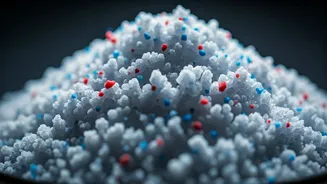
Microplastics are tiny plastic particles less than five millimetres in size. They come from two main sources. Primary microplastics are intentionally manufactured small, like the microbeads once common in cosmetics. Secondary microplastics, which are far more common, form when larger plastic items—like bags, bottles, and fishing nets—break down over time in the environment. These particles are now so widespread that they're found in our oceans, soil, and even the air we breathe. From there, they easily make their way into the food chain. Plants can absorb them from the soil, and they contaminate water sources used for everything from harvesting sea salt to irrigating crops.
Your Daily Brew Might Come with Plastics
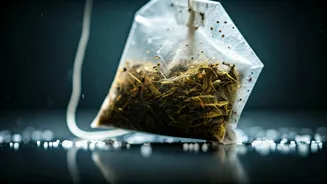
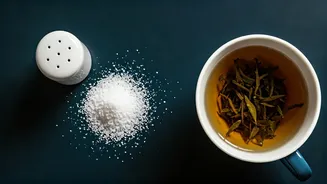
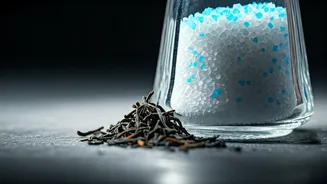
Your daily cup of tea could be a significant source of microplastic exposure. Many popular tea bags, including those made of paper, are sealed with thermoplastic fibres to prevent them from breaking apart in hot water. When steeped, a single plastic-based tea bag can release billions of micro- and even smaller nanoplastic particles into your cup. Even tea bags marketed as biodegradable can contain plastics like polyethylene or PET. The issue isn't just the bags themselves; the tea leaves can be contaminated from the environment, and plastic kettles can also shed particles, especially when new.
The Million-Rupee Question: How Harmful Are They?
The science on the health effects of ingesting microplastics is still emerging, but early research points to potential risks. These particles have been found throughout the human body, including in our blood, lungs, and even brain tissue. Scientists are concerned that microplastics can cause inflammation, cellular damage, and disrupt the gut microbiome. They can also act like tiny sponges, absorbing and carrying harmful chemicals used in plastic production, such as BPA, which are known to interfere with hormones. While researchers are working to understand the long-term impacts, the consensus is that widespread, chronic exposure is a valid cause for concern.
Simple Steps to Reduce Your Exposure
While completely avoiding microplastics is impossible, you can take practical steps to reduce your intake. For tea, opt for loose-leaf varieties and use a metal or ceramic infuser. When it comes to salt, some studies suggest that contamination sources can include both the environment and the packaging or grinding mechanism, so choosing salt in glass jars and using a grinder with a ceramic or metal mechanism may help. In the kitchen, avoid microwaving food in plastic containers, as heat can cause plastics to leach into your food. Storing food in glass or stainless steel containers instead of plastic is another effective strategy. Choosing fresh, minimally processed foods can also help, as ultra-processed items often have more opportunities for plastic contamination during manufacturing and packaging.