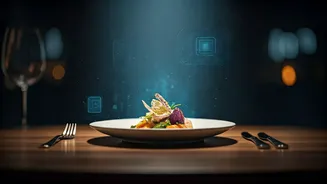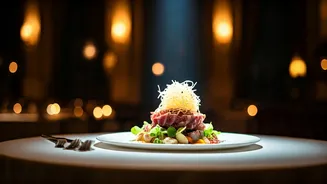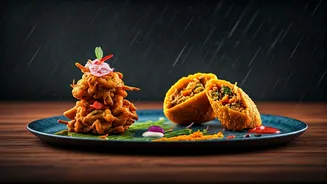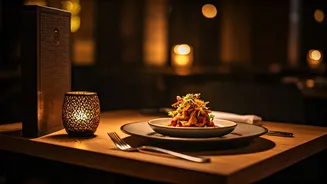







What Exactly Is Immersive Dining?
Forget simply choosing from a menu. Immersive dining is a multisensory experience that combines food with atmosphere, storytelling, and often, technology. The meal is central, but it’s enhanced by elements like 3D projection mapping, curated soundscapes,
interactive performers, and even specific scents to transport you into a different world. Think of it as dinner theatre, but instead of watching a stage, you're in the middle of it. The goal is to create a holistic event where the environment, visuals, and food work together to tell a story, making the evening feel more like an adventure than a standard restaurant visit.
Why Is Everyone Talking About It Now?
The rise of immersive dining isn't happening in a vacuum. It’s a direct response to a cultural shift, especially among younger diners who prioritise unique experiences over material goods. In an age dominated by social media, 'shareable moments' are a valuable currency, and these restaurants provide plenty. A 2024 survey found that 72% of diners want more experiential options. In India, this trend is rapidly gaining ground, with reports showing 65% of guests prefer experience-led dining that includes elements like live entertainment or themed nights. After years of limited socialising, people are craving novelty and connection, and immersive venues offer both in spades.
Technology Sets the Stage
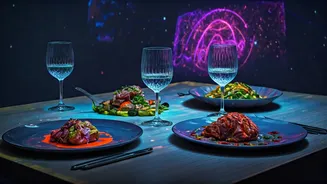
Advanced technology is a key ingredient in many of these experiences. Projection mapping, for instance, can turn a simple dining table or the restaurant walls into a dynamic canvas. One of the most well-known global examples, 'Le Petit Chef', projects a tiny animated chef onto your plate, who appears to 'cook' your meal right before your eyes. This concept has found success in India, with locations in cities like Delhi and Goa, where diners follow the miniature chef on a culinary journey across the globe, complete with synchronised visuals and storytelling. Other technologies like augmented reality (AR), virtual reality (VR), and interactive floor displays are also being used to blur the lines between dining and entertainment.
The Experience on the Ground in India
The Indian dining scene has enthusiastically embraced this trend, moving beyond simple themed decor into truly interactive events. In Mumbai, 'Banquet of Hoshena' uses 3D imagery, props, and illusions to accompany a seven-course meal, asking guests to participate in the story. Other concepts play with sensory elements in different ways. Kolkata’s 'Kaidi Kitchen' simulates dining in a jail, while Hyderabad's 'Taste of Darkness' offers a meal in complete pitch-black to heighten the senses of taste and smell. These venues reflect a growing demand from Indian consumers for dining that offers more than just good food; they want a story, an atmosphere, and a lasting memory.
Is It Just a Gimmick?
With higher price points, it's fair to ask if you're paying for the food or the show. Prices for experiences like Le Petit Chef in India can range from ₹4,300 to over ₹6,800 per person. Critics might dismiss it as a gimmick, but proponents argue it’s an evolution of hospitality itself. The idea isn't to distract from the food but to enhance it, creating an emotional connection and a stronger memory of the meal. Research has even shown that multisensory experiences can increase a diner's enjoyment and satisfaction. Ultimately, the value lies in the perception of the diner. For those celebrating a special occasion or simply seeking a novel night out, the combination of culinary art and performance offers a unique form of entertainment that a traditional restaurant cannot match.