



A Return to Wonder
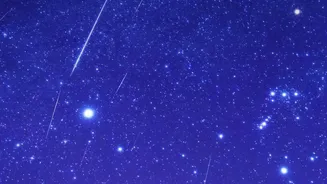
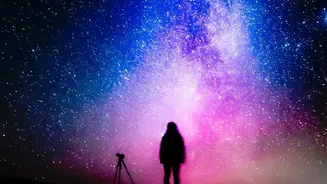
The desire to gaze upon the stars is as old as humanity itself. For millennia, we have looked to the heavens for navigation, inspiration, and a sense of our place in the universe. Today, in a world dominated by screens and constant connectivity, the appeal
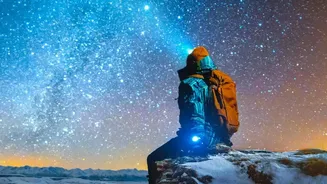
is stronger than ever. Stargazing offers a powerful antidote to modern stress, a chance for a 'digital detox' where the only notifications come from the occasional shooting star. This burgeoning trend, often called 'astro-tourism', invites us to disconnect from daily anxieties and reconnect with something vast and timeless. Studies have shown that experiencing the awe inspired by a star-filled sky can reduce stress, improve mood, and foster a sense of interconnectedness. It puts everyday problems into a grander perspective, reminding us that we are part of something much bigger.
Hanle: India’s Dark Sky Crown Jewel
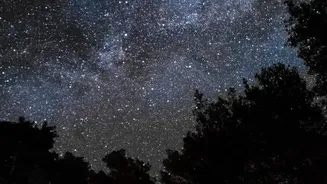
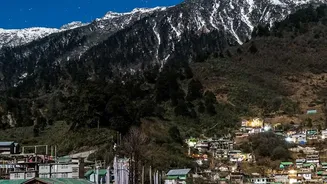
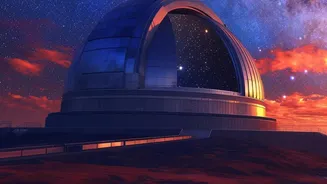
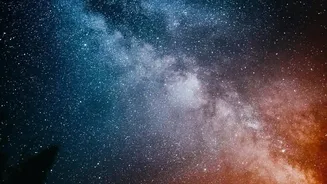
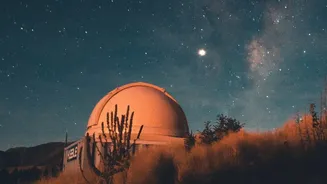
At the forefront of India's astro-tourism movement is Hanle in Ladakh, the site of India's first-ever Dark Sky Reserve. Situated at a breathtaking altitude of 4,500 metres within the Changthang Wildlife Sanctuary, this remote region offers some of the clearest and darkest skies in Asia. The thin, dry air and near-zero light pollution mean that on a clear, moonless night, the Milky Way is so bright it can seem almost within reach. The reserve was formally established to protect these pristine conditions, with local communities actively participating in controlling light pollution to preserve the natural darkness. A visit to Hanle is more than just a stargazing trip; it's an immersive experience in a place where science and sustainable tourism converge.
Celestial Sanctuaries Across India
While Ladakh holds a special status, spectacular night skies can be found across the country. The cold desert of Spiti Valley in Himachal Pradesh is another high-altitude haven for stargazers, with villages like Kibber and Langza offering profound darkness. In the west, the vast, flat expanse of the Rann of Kutch in Gujarat provides an unobstructed, 360-degree view of the heavens, especially during the dry winter months. Down south, the coffee plantations of Coorg in Karnataka, nestled in the Western Ghats, offer serene spots away from city lights. Even tiger reserves, such as Pench in Maharashtra, are being recognised as 'Dark Sky Parks', where the conservation of wildlife and the night sky go hand in hand.
Your First Night Under the Stars
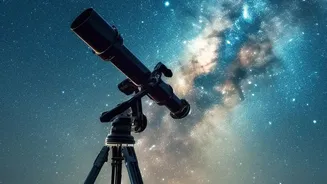
Getting started with stargazing is simpler than you might think. You don’t need expensive equipment; the best tool is a pair of curious eyes. Find a location away from direct city lights, even if it's just a local park or a quiet rooftop. Give your eyes at least 20 minutes to fully adapt to the darkness, avoiding your phone screen during this time. To navigate the cosmos, consider using a printable star chart or a smartphone app set to a red-light mode, which preserves your night vision. Planning your trip around a new moon will ensure the darkest possible sky, making fainter objects and the Milky Way more visible. Finally, bring a comfortable chair or blanket, dress in warm layers, and allow yourself the time to simply look up and absorb the view.