

The Grains We Forgot
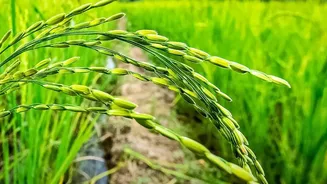
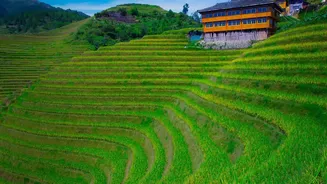
For decades, Indian agriculture prioritised high-yield hybrid rice strains to ensure food security. While the Green Revolution successfully boosted output, it came at a cost: the gradual disappearance of thousands of traditional rice varieties. India was
once home to an estimated 100,000 to 200,000 types of rice, each adapted to a specific climate and soil, offering a unique taste, texture, and nutritional profile. The push for monoculture meant that these diverse grains, from the saline-resistant Dudheswar to the drought-tolerant Kuruva, vanished from farms and dinner plates, replaced by polished, uniform white rice. This loss wasn't just agricultural; it was a cultural erosion, erasing generations of culinary heritage.
Bengal's Aromatic Treasure: Gobindobhog
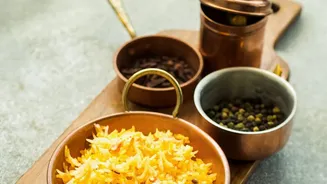
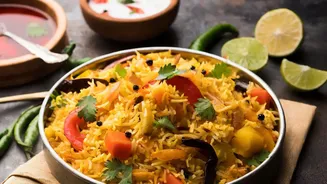
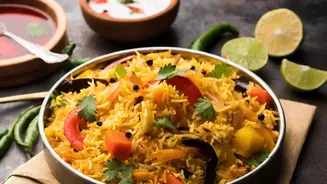
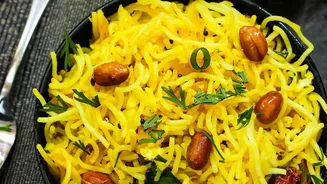
One of the most celebrated stars of this revival is Gobindobhog rice from West Bengal. A short-grained, sticky, and intensely aromatic rice, its name translates to "offering to Lord Govinda," hinting at its sacred history. Traditionally used in festive dishes like khichuri and the creamy dessert payesh, particularly during Durga Puja, this rice was once reserved for offerings and royalty. After receiving a Geographical Indication (GI) tag in 2017, its unique identity was protected, sparking renewed interest. With a sweet, buttery flavour, it offers a completely different experience from long-grained basmati and is now being championed by chefs looking to bring authentic regional flavours to the forefront.
The Subtle Perfume of Assam: Joha
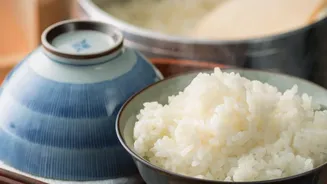
From the fertile Brahmaputra valley comes Joha rice, a collection of short-grained varieties prized for a subtle, floral aroma and delicate texture. Unlike the bold fragrance of basmati, Joha's scent is gentle and its cooked texture is soft and tender, making it a staple in Assamese daily meals and festival foods like Bihu. Rich in antioxidants and easily digestible, Joha rice is deeply embedded in the region's cultural and social life. Its versatility allows it to be used in everything from simple steamed preparations to elaborate celebratory dishes, and its recent GI status is helping to introduce this regional gem to a wider audience.
From Farm to Modern Kitchen
The resurgence of these heritage grains is not just about nostalgia; it’s about flavour, nutrition, and sustainability. Modern chefs and home cooks are increasingly seeking out ingredients with a story and a distinct character. They are discovering that these regional rice varieties offer a palette of textures and tastes that commodity rice cannot match. Black rice from Jharkhand, red rice from Kerala, and others bring unique nutty or earthy notes to dishes. Moreover, many of these traditional varieties are more nutritious than their polished counterparts, retaining higher levels of fibre, minerals, and antioxidants. They are also often more resilient to pests and extreme weather, making them a climate-smart choice for farmers.
The Guardians of the Grain
This revival would be impossible without the tireless efforts of seed savers, farmers, and conservation groups across the country. Individuals like Sathyanarayana Beleri in Karnataka, who maintains a collection of over 650 rice varieties, are at the forefront of this movement. Organizations like Thanal and Vrihi have established community seed banks, allowing farmers to exchange and cultivate hundreds of rare varieties. By reviving these grains, they are not only preserving India's immense agricultural biodiversity but also creating niche markets that offer better value for their crops and strengthening a connection to local food culture.