



Why Your Nose Feels Stuffy
Before diving into remedies, it helps to understand what's happening inside your nose. Congestion isn't just about excess mucus; it's primarily caused by inflamed and swollen blood vessels in your nasal passages. This swelling narrows the airways, making
it difficult to breathe. Common triggers for this inflammation include viral infections like the common cold and flu, allergies to pollen, dust, or pet dander, and sinus infections. Other factors can include irritants like smoke, changes in weather, dry air, and even hormonal shifts. Identifying the cause can help you find the most effective relief, but many home remedies work well regardless of the trigger.
Harness the Power of Steam
One of the most immediate and soothing remedies is steam inhalation. The warm, moist air helps to thin out mucus and soothe irritated nasal passages, making it easier to breathe. You don’t need special equipment to do this. Simply taking a hot shower and breathing in the steam can work wonders. Alternatively, you can lean over a bowl of hot water—not boiling—drape a towel over your head to trap the steam, and inhale deeply for several minutes. Even sipping a hot, non-caffeinated beverage like herbal tea provides a gentle dose of steam while also helping with hydration.
Stay Well-Hydrated
Drinking plenty of fluids is crucial when you're congested. When you are dehydrated, the mucus in your sinuses can become thick and sticky, which worsens the blockage and increases the risk of sinus infections. By staying hydrated, you help keep your mucus thin and flowing, allowing your nasal passages to clear themselves more effectively. Water is your best option, but herbal teas and clear broths also contribute to your fluid intake and provide soothing warmth. Try to avoid alcohol and sugary drinks, as they can lead to dehydration.
Try a Saline Rinse or Spray
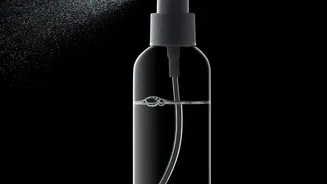
A saline (saltwater) rinse is a highly effective way to flush out mucus, allergens, and other irritants from your nasal passages. You can use a neti pot or a squeeze bottle designed for sinus rinsing. These devices help wash away debris and moisturise the nasal cavity, reducing inflammation. It is critical to use only distilled, sterile, or previously boiled and cooled water for your rinse to avoid introducing any harmful microorganisms into your sinuses. Pre-made saline packets are recommended to ensure the salt concentration is correct and won't cause irritation. For a less intensive option, a simple saline nasal spray can also provide moisture and help clear congestion.
Increase the Air's Moisture
Dry air, especially common in winter or in air-conditioned rooms, can irritate your nasal passages and worsen congestion. Using a humidifier adds moisture back into the air, which can help soothe your sinuses, thin mucus, and make breathing more comfortable, especially while you sleep. Studies have shown that maintaining indoor humidity levels between 40% and 60% can provide relief from congestion and may even reduce the survival of flu viruses in the air. Be sure to clean your humidifier regularly according to the manufacturer's instructions to prevent the growth of mould and bacteria.
Elevate Your Head and Rest
When you lie down flat, gravity can cause mucus to pool in your sinuses, increasing pressure and making congestion feel worse. To counter this, try propping your head up with an extra pillow or two at night. This elevation encourages mucus to drain, helping to relieve pressure and allowing for more restful sleep. Paired with adequate rest, this simple adjustment gives your body a better chance to fight off whatever infection or irritant is causing your symptoms in the first place.