




The Unsung Hero: What Is Dietary Fiber?
Dietary fiber is a type of carbohydrate that our bodies can't digest. Found in plant-based foods, it travels through our digestive system largely intact. There are two main types: soluble fiber, which dissolves in water to form a gel-like substance, and
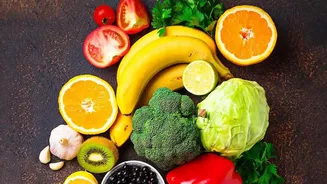
insoluble fiber, which does not. Soluble fiber, found in apples, citrus, and oats, helps slow digestion and can lower cholesterol and blood glucose levels. Insoluble fiber, present in whole grains and vegetables, adds bulk to stool and promotes regularity. Most people do not get enough fiber, yet it is essential for overall health, playing a key role in everything from heart health to weight management.
Where Does the Fiber Go During Juicing?
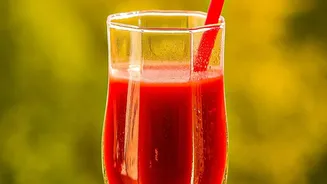
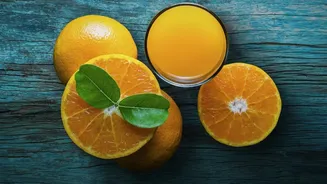
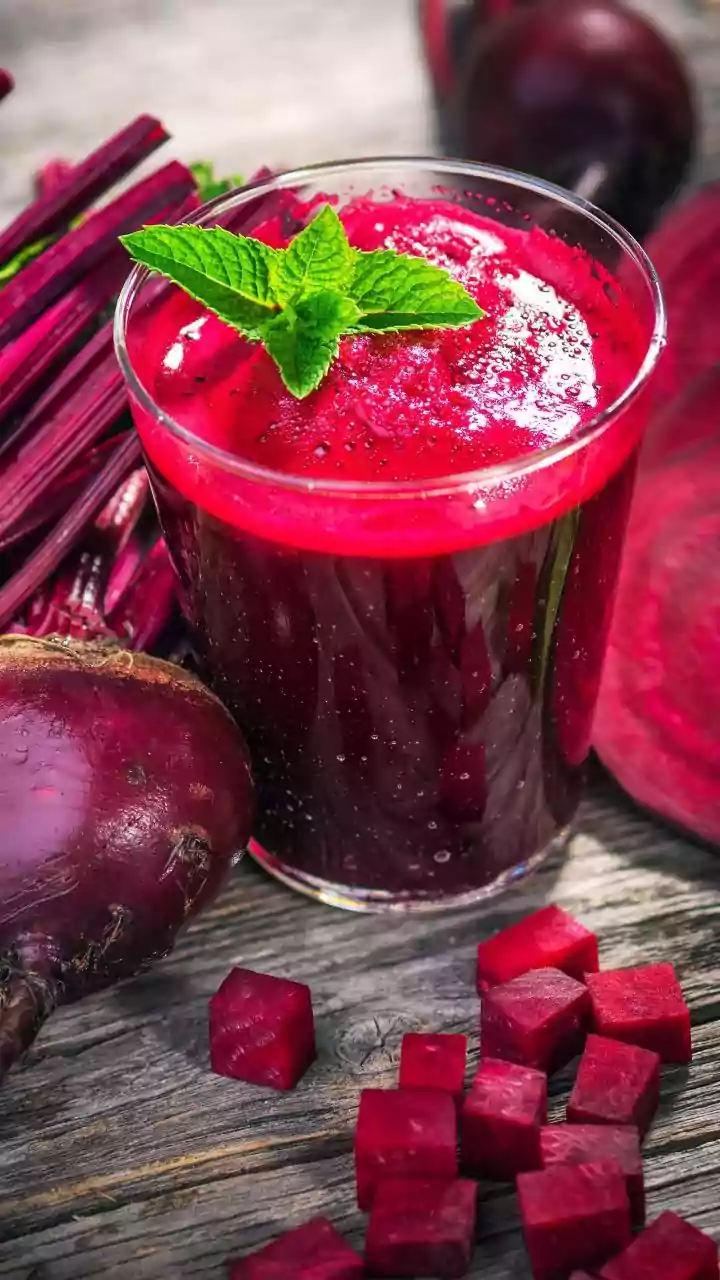
The magic of a cold-pressed juice lies in its smooth, pulp-free texture. But this is also its biggest nutritional pitfall. The juicing process, whether through a high-speed centrifugal machine or a hydraulic press, is designed to separate the liquid from the solid parts of a fruit or vegetable. That solid material—the pulp, skin, and seeds—is where the vast majority of the dietary fiber resides. What's left in the bottle is a concentration of vitamins, minerals, and the fruit's natural sugars, but it is significantly lacking the fiber that makes the original fruit so beneficial. While some antioxidants remain, others that are bound to the fiber are also discarded.
Your Gut's Best Friend: Fiber and the Microbiome
Your gut is home to trillions of microorganisms, collectively known as the gut microbiome, which are vital for digestion, immune function, and even mood. One of the most important roles of dietary fiber is to act as food, or a prebiotic, for these beneficial bacteria. As the bacteria ferment certain fibers, they produce compounds called short-chain fatty acids (SCFAs). These SCFAs nourish the cells lining your colon, strengthen the intestinal barrier, and help reduce inflammation. When you drink juice instead of eating the whole fruit, you are essentially starving your gut bacteria of their primary fuel source, which can impact the diversity and health of your microbiome over time.
The Blood Sugar Rollercoaster
When you eat a whole piece of fruit, the fiber acts as a natural brake system. The sugars in the fruit, known as intrinsic sugars, are trapped within the fruit's cellular structure. Fiber slows down the breakdown of these structures, leading to a slower, more gradual release of sugar into the bloodstream. This prevents a dramatic spike in blood sugar and the subsequent surge of insulin required to manage it. In contrast, the sugars in juice are considered "free sugars." With the fiber removed, this sugary liquid is absorbed very rapidly, causing a sharp increase in blood glucose levels that can put stress on your body's insulin response system. Over time, frequent consumption of high-sugar, low-fiber drinks has been associated with an increased risk of type 2 diabetes.
So, Should You Avoid Juice Altogether?
This doesn't mean you must banish all juice from your diet. For individuals who struggle to consume enough fruits and vegetables, a glass of 100% juice can provide a convenient source of vitamins and minerals. However, it's a matter of context and quantity. Whole fruits provide greater satiety, meaning they keep you feeling full for longer, which aids in weight management. The act of chewing a solid food also contributes to this feeling of fullness. If you enjoy the convenience of a drinkable fruit, a smoothie is a better option, as blending keeps the entire fruit, including its valuable fiber, intact. Ultimately, it is best to view juice as an occasional treat rather than a daily health staple.