






Choose Your Vehicle Wisely
The single biggest decision for a Hajar road trip is your vehicle. While the idea of a powerful 4x4 is tempting, it’s not always necessary and can double your rental costs. Many popular routes, like the drive from Dubai to Hatta or the main roads around
Nizwa, are well-paved and perfectly manageable with a standard sedan. A smaller car is significantly cheaper, with daily rentals available for as low as 8-10 Omani Rials. Only opt for a 4x4 if your itinerary includes serious off-roading, remote wadis, or a trip up Jebel Akhdar, where a police checkpoint mandates it. For most sightseeing, a budget-friendly sedan and a sense of adventure are all you need.
Master the Art of Budget Accommodation
Resorts with infinity pools look great on Instagram, but they can drain your wallet. To keep costs down, look for budget-friendly alternatives. Small guesthouses and basic hotels in towns like Nizwa or Al Hamra offer clean and comfortable stays for a fraction of the price of mountain-top resorts. For the truly adventurous, wild camping is a popular and legal option in many parts of Oman, allowing you to wake up to incredible views for free. Just be sure to avoid private land and pack warm gear, as mountain nights can get surprisingly cold, even dropping below zero in winter.
Eat Like a Local, Save Like a Pro
Food is another area where you can save significantly. Instead of tourist-focused restaurants in hotels and malls, seek out the small, local eateries and coffee shops. These establishments, often run by Indian and Pakistani expats, serve delicious and authentic meals for just a few rials. A full lunch at a local spot can cost as little as 1.40 to 2 Omani Rials. For even greater savings, visit supermarkets like Lulu Hypermarket to stock up on snacks, water, and simple meal items like Omani flatbread (khubz), hummus, and fruits. This not only cuts costs but also gives you the flexibility to have a picnic with a mountain view.
Plan Your Route and Fuel Stops
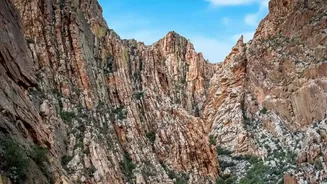
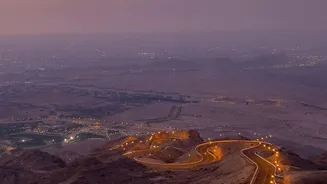
The Hajar range spans both the UAE and Oman, offering countless route possibilities. A popular starting point is Dubai, with Hatta being an easy 90-minute drive away. From there, you can cross into Oman to explore major peaks like Jebel Shams (the highest in the range) and Jebel Akhdar. Fuel is significantly cheaper in this region compared to India, but stations can be sparse in remote mountain areas. Always start your day with a full tank. Use offline maps from apps like Google Maps, but stick to marked roads, as shortcuts can lead to unpaved and dangerous tracks. Driving during daylight hours is strongly recommended due to the lack of streetlights and sharp, narrow bends.
Timing and Safety are Everything
The best time to visit is from October to April when the weather is cooler and more pleasant for hiking and exploring. Traveling during the shoulder seasons (October-November, March-April) can offer a good balance of pleasant weather and lower prices. When driving in the mountains, safety is paramount. Always use a low gear on steep descents to avoid overheating your brakes. Be vigilant for goats, donkeys, and camels on the road, especially near villages. While Oman is generally very safe with excellent roads, the mountain terrain demands respect. Drive cautiously, give way at roundabouts, and never attempt to cross a wadi if there's a chance of rain, as flash floods are a real danger.