






Choose Fabrics That Dry in a Flash
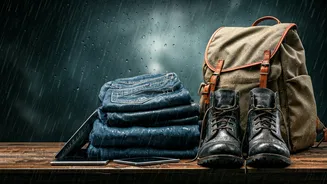
The golden rule of monsoon packing is to choose the right fabrics. High humidity means clothes take much longer to dry. Heavy materials like denim and thick cotton become uncomfortable when damp and can take days to air out. Instead, pack lightweight
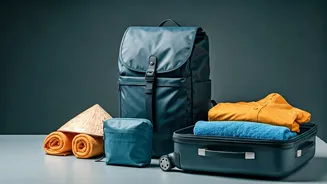
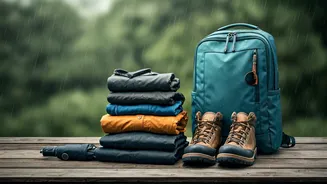
and quick-drying clothes made from synthetic or synthetic-blend fabrics like polyester, nylon, and rayon. [4, 8] These materials don't hold onto moisture and will be ready to wear again much sooner. [8] Lightweight cottons and linens can also work, but synthetics are your most reliable bet for staying comfortable. [24] It's also wise to opt for darker coloured clothing, as they are better at hiding potential mud splashes from puddles. [4]
Prioritise Waterproof Outerwear
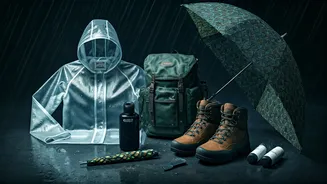
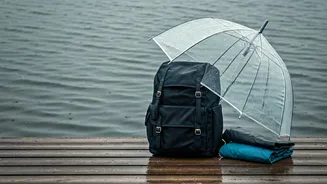
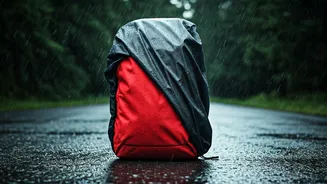
An umbrella is a must-have, but it often isn't enough to protect you from windy downpours. [3] A good quality, lightweight waterproof jacket or poncho is a non-negotiable item. [6] Look for one that is breathable to avoid feeling stuffy in the humidity. [13] A long trench-style raincoat can offer more coverage, keeping your clothes dry even during heavy showers. [3] Many travellers find a poncho versatile, as it can also be used to cover a backpack in a pinch, though a dedicated waterproof backpack cover is an even better idea to ensure your belongings stay completely dry. [3, 9]
Rethink Your Footwear
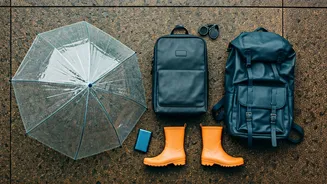
The wrong shoes can ruin a rainy season trip. Leather shoes will be ruined by water, and canvas sneakers or trainers get waterlogged easily and take forever to dry, creating a risk for fungal infections. [3, 12] The best options are waterproof or water-resistant footwear with a good grip to handle slippery surfaces. Rubber or plastic sandals, floaters, and flip-flops are perfect for navigating wet streets. [3, 7] For treks or more active days, consider waterproof hiking boots to protect against mud and leeches, which are more common during the monsoon. [2] Always pack an extra pair of footwear so you have a dry option to change into.
Waterproof Your World
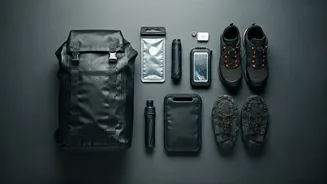
Protecting your electronics and important documents is critical. Water can cause irreversible damage to phones, cameras, and power banks. Invest in waterproof phone cases or pouches, which allow you to use your device even in the rain. [4, 16] For larger items, dry bags are an excellent investment, especially if you're near waterfalls or on a boat. [2] As a budget-friendly alternative, heavy-duty Ziploc or other resealable plastic bags can keep your passport, wallet, and gadgets safe from moisture during a sudden downpour. [4, 10] It's a good practice to 'double-bag' your most valuable items for extra security. [21]
Assemble a Monsoon-Specific Health Kit
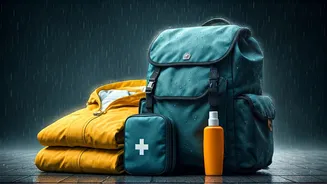
The rainy season brings a higher risk of water-borne illnesses and an increase in mosquitoes. [3, 7] Your first-aid kit should be tailored accordingly. Pack a strong insect repellent, especially one containing DEET, to protect yourself from mosquito bites. [3, 8] Also include essentials like antiseptic wipes, bandages for minor cuts or slips on mossy paths, and any personal medications. [3, 15] Adding an anti-fungal cream or powder is a smart precaution. Finally, a quick-dry microfibre towel is far more practical than a standard cotton one, as it dries quickly and takes up less space in your bag. [6, 8]
Pack for Power Outages and Downtime
Heavy rains can sometimes lead to power cuts, particularly in more remote destinations. [2] A fully charged power bank is an absolute essential to keep your phone and other devices running. [3, 5] Don't rely solely on your phone's light; a small, dedicated flashlight or a headlamp can be invaluable during an outage. [2, 3] Since the weather might keep you indoors for a few hours, consider bringing some entertainment. A book, a pack of cards, or having movies and shows downloaded on your tablet can make waiting out a heavy downpour a cosy and enjoyable experience.