

An Offering Fit for a God
The story of Mathura peda is inseparable from the story of Lord Krishna. As the place of his birth, Mathura has been a centre of Krishna devotion for centuries. The entire region of Braj, where Krishna spent his childhood, has always been rich in cattle
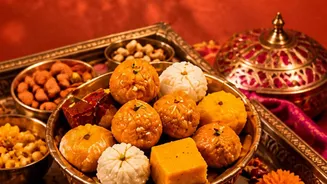
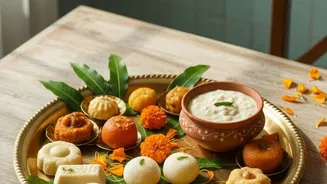
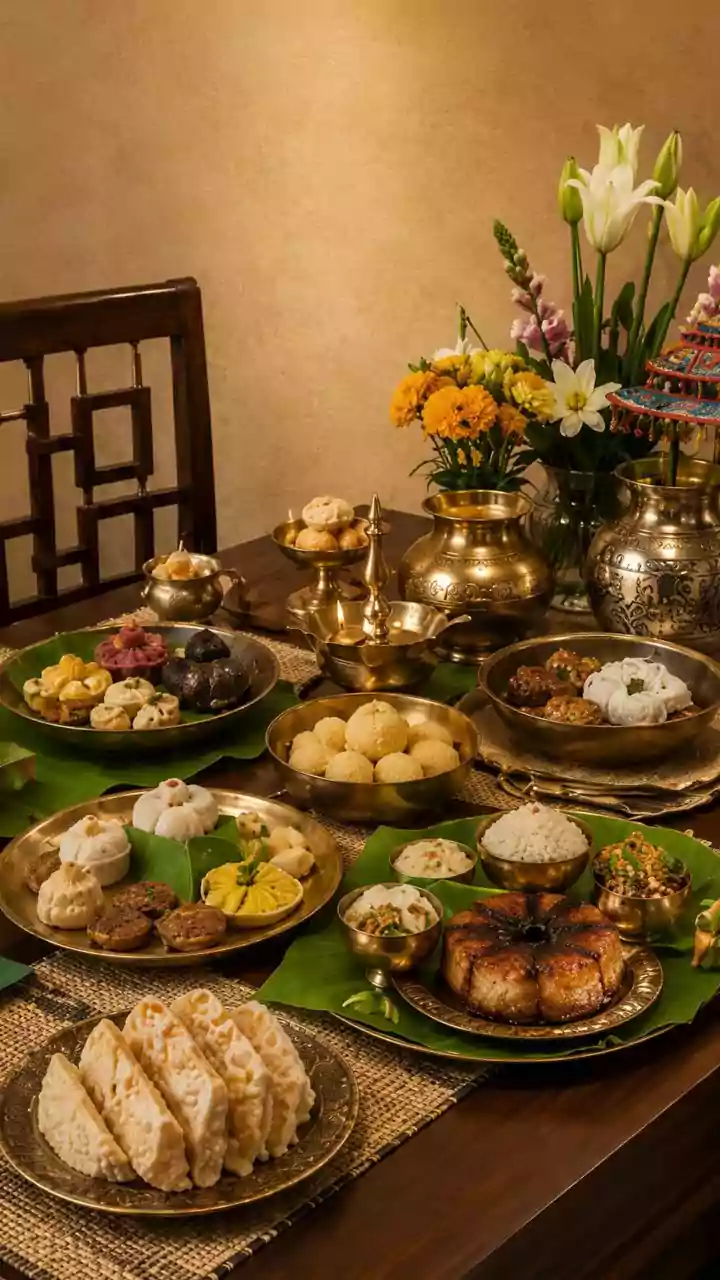
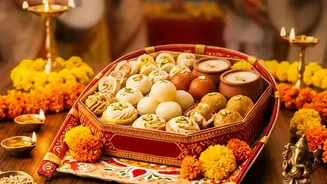
and dairy. Legends and folklore are filled with tales of his love for milk, butter, and other dairy products. It is this deep-rooted dairy culture that provided the foundation for milk-based sweets to become central to the local cuisine. The peda's most significant role is as 'prasad'—a religious offering made to the deity and then distributed among devotees. This practice elevates the peda from a simple confection to an act of devotion, a blessed morsel that connects millions of pilgrims to their faith. During festivals like Janmashtami, celebrating Krishna's birth, the peda is an essential offering.
What Makes a Mathura Peda Unique?
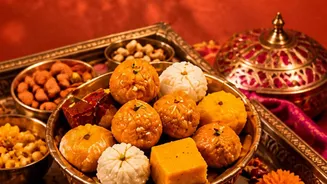
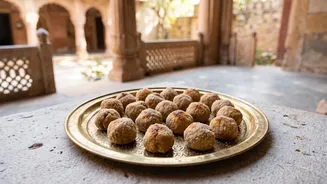
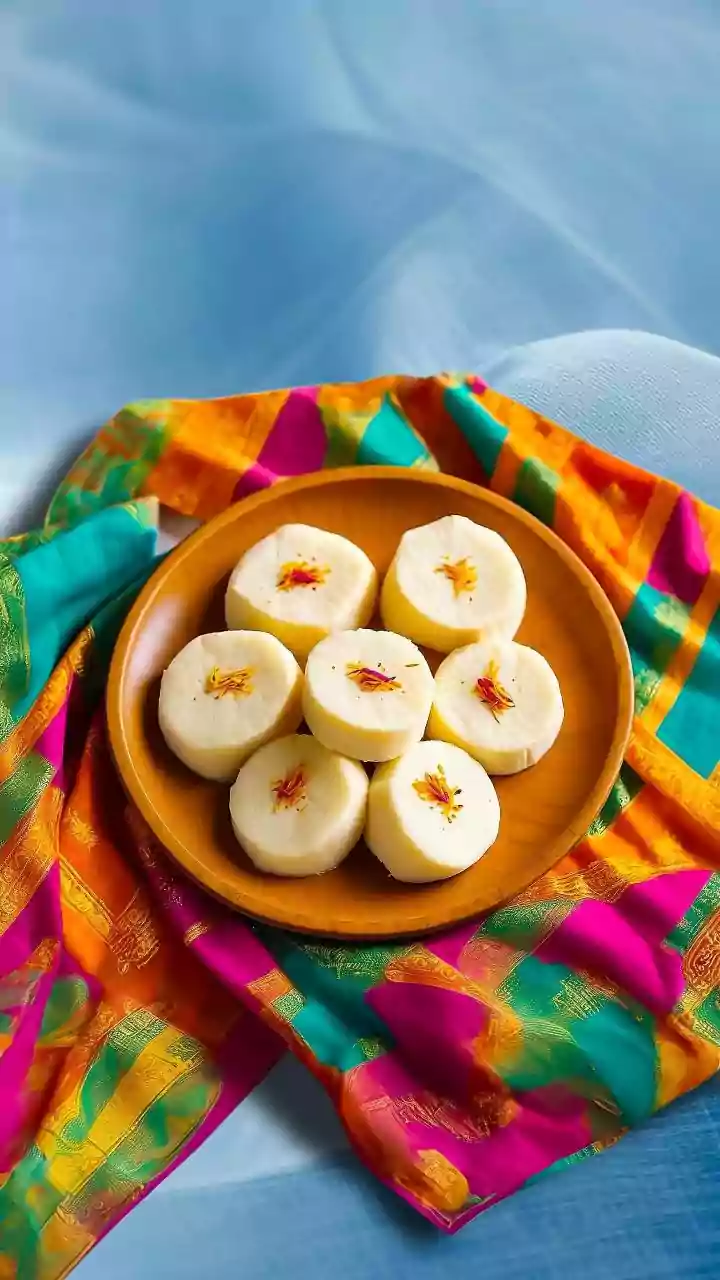
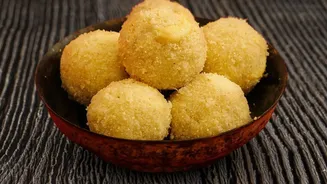
While pedas are made across India, the Mathura variety stands apart. The secret lies in its distinct preparation, colour, and texture. Unlike the common pale, soft pedas, Mathura peda has a characteristic brownish hue and a slightly grainy, fudge-like consistency. This is achieved through a slow and patient process. The main ingredient, khoya or mawa (milk solids), is made by simmering full-fat milk for hours until it reduces to a thick mass. For the Mathura peda, this khoya is then roasted, often with a bit of ghee, until the milk sugars caramelise, giving it a rich, nutty flavour and its signature tan colour. The second key ingredient is 'tagar' or 'boora', a type of grainy powdered sugar that gives the peda its unique melt-in-the-mouth quality, a texture that can't be replicated with regular powdered sugar. A hint of cardamom is often added to complete the flavour profile.
The Art of a Generations-Old Craft
Making authentic Mathura peda is a labour of love, a skill passed down through generations of 'halwais' (sweet makers). The traditional process is time-consuming and requires immense patience. It all begins with sourcing high-quality milk, which is then slow-cooked in large, heavy-bottomed pans called 'kadais'. The continuous stirring to prevent scorching and the careful roasting of the khoya are crucial steps that determine the final taste and texture. This is not a process that can be rushed. The artisans understand that the deep, caramelised flavour only develops with slow, controlled heat. This meticulous method also gives the peda a longer shelf life compared to other milk sweets, making it a popular souvenir for pilgrims and tourists to carry home.
Protecting a Culinary Heritage
The fame of Mathura peda is so widespread that the name itself has become a brand, used in folk songs and proverbs. However, this popularity has also led to imitation and adulteration, with many sellers passing off inferior products as the real deal. To protect its authenticity and preserve the traditional craft, there has been a significant push to secure a Geographical Indication (GI) tag for the Mathura peda. An application was filed in 2024 by the local Mithai Association, as part of a broader effort to recognise several of Mathura's heritage products. A GI tag would provide legal protection against imitations and formally acknowledge the sweet's deep cultural and economic importance to the region, ensuring that the legacy of authentic Mathura peda continues.