



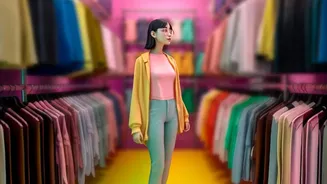

The Problem with the Trend Treadmill
For years, the fashion industry has been dominated by a fast-fashion model that thrives on speed and volume. Micro-trends emerge weekly, encouraging a culture of disposable clothing. Garments are often designed to last only a few wears, leading to a cycle
of constant consumption and waste. This relentless pace not only puts a strain on consumers' wallets and closets but also has significant environmental and ethical consequences. The system conditions us to view clothing as temporary, something to be discarded as soon as the next new thing arrives. This has created a sense of trend fatigue, leaving many looking for an alternative that offers more substance and longevity.
More Than Just a Smartwatch
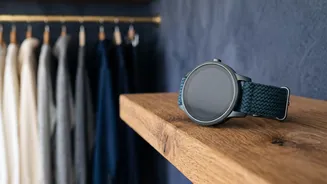
When people hear “wearable technology,” they often think of fitness trackers and smartwatches. While these are popular examples, the world of smart fashion is much broader. It encompasses everything from jackets with integrated heating elements to biometric shirts that monitor muscle activity, and even yoga pants with embedded sensors that provide feedback on your form. Innovations like Google's Project Jacquard, a collaboration with Levi's, created a denim jacket that allows you to control your phone with gestures on the sleeve. These aren't just gadgets; they are garments designed with integrated technology to enhance the wearer's daily life, turning clothing from a passive style statement into an active tool.
A New Focus on Function
The core shift that wearable technology introduces is the move from aesthetics alone to a blend of form and function. Instead of buying a jacket solely for its colour or cut this season, a consumer might choose one that adapts to temperature changes, reducing the need for multiple layers. A garment's value is no longer just in how it looks, but in what it does. This fundamentally alters the purchasing decision. People invest in a piece of clothing because it solves a problem or adds convenience to their life, whether it's navigating city streets via a sleeve or tracking health metrics through fabric sensors. This focus on utility encourages a mindset of long-term ownership, directly opposing the disposable nature of fast fashion.
The Ultimate Form of Personalization
Fast fashion sells a mass-produced version of individuality, with thousands of people wearing the exact same trending item. Wearable technology offers the opposite: hyper-personalization. These garments are designed to interact with you and your data. A fitness tracker can feed information into an app to create a custom workout plan, while a smart shirt can monitor your biometrics to provide real-time health insights. Some advanced concepts even include fabrics that can change color based on your mood or environment. This makes fashion a deeply individual experience. The clothing adapts to the user, not the other way around. This shift makes mass-market trends less relevant, as the focus becomes what uniquely serves the individual wearer.
An Unexpected Path to Sustainability
While the electronics in smart clothing present their own environmental challenges, the movement towards functional, long-lasting garments offers a powerful antidote to fashion's waste problem. The slow fashion movement champions buying fewer, better pieces that are designed to last. Wearable technology aligns perfectly with this ethos. When you invest in a high-quality garment that serves a specific function—be it for health, safety, or convenience—you are far less likely to discard it after one season. Temperature-adaptive clothing can reduce the amount of clothing produced and consumed overall. By emphasizing durability and purpose, wearable tech encourages a more mindful approach to consumption, where cost-per-wear becomes more important than a low initial price tag.