

The Allure of a Mountain Escape
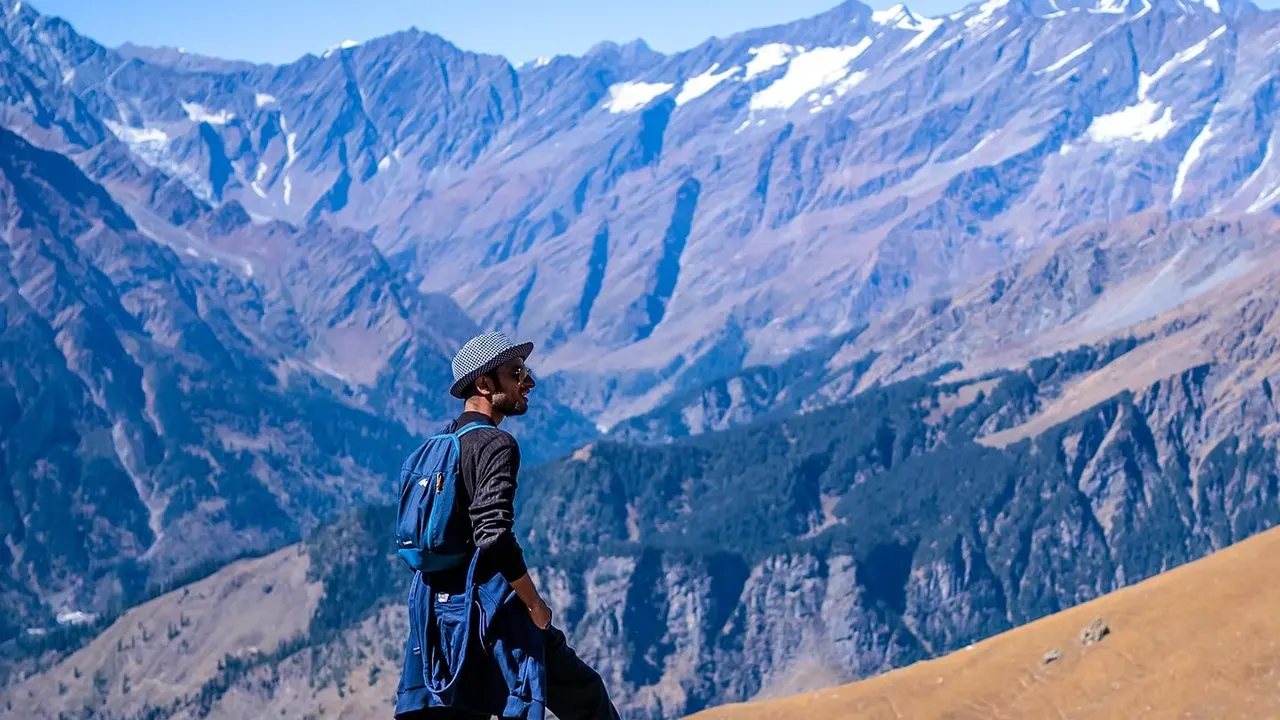
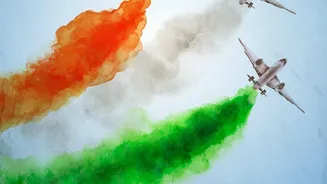
The 2026 Independence Day holiday, falling on a Saturday, has created a perfect opportunity for a long weekend getaway. By taking a single day off, urban dwellers can secure a three-day break, and many are choosing to spend it amidst the majestic Himalayas.
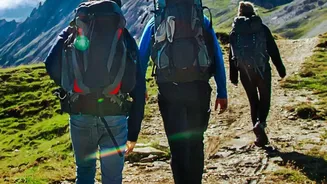
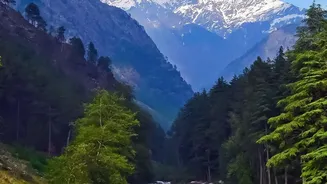
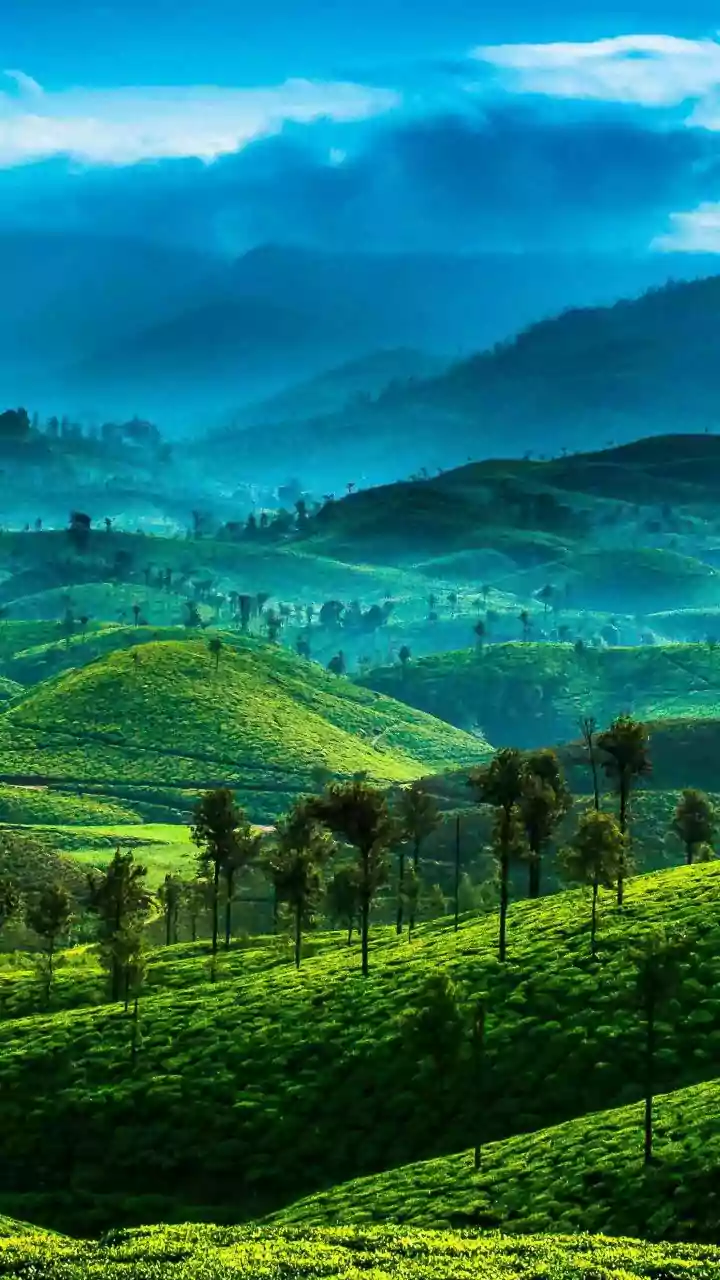
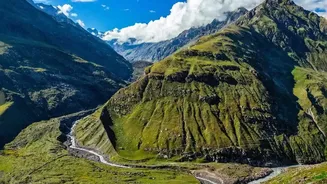
Travel agencies and local operators are reporting a spike in enquiries and bookings, particularly from young professionals and families looking for a blend of adventure and nature. This trend reflects a growing desire to disconnect from routine and experience the outdoors. The monsoon season, often seen as a deterrent, actually enhances the beauty of the Garhwal and Kumaon regions, turning meadows into lush green carpets and feeding spectacular waterfalls.
Valley of Flowers: A Monsoon Spectacle
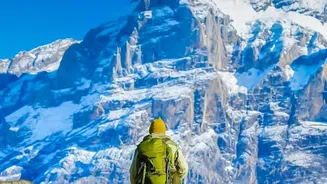
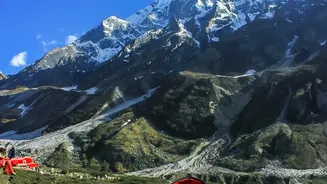
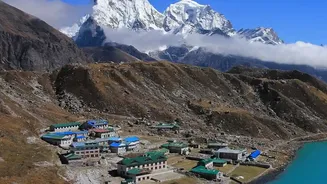
At the forefront of this demand is the Valley of Flowers National Park, a UNESCO World Heritage Site. August is the peak blooming season, when the valley transforms into a vibrant tapestry of over 500 species of wildflowers, including the rare blue poppy and Brahma Kamal. Considered an easy-to-moderate trek, it’s accessible to beginners and families, making it a top choice for the long weekend. The trail starts from Govindghat and leads to the base camp at Ghangaria. From there, a day hike takes you into the heart of the floral paradise, offering breathtaking views against a backdrop of snow-capped peaks. Many trekkers also add a visit to the high-altitude Hemkund Sahib Gurudwara, a sacred Sikh pilgrimage site located nearby.
Hampta Pass: A Tale of Two Valleys
For those seeking a more dramatic and challenging adventure, the Hampta Pass trek in neighbouring Himachal Pradesh, often accessed from Manali, is another popular option that sees high interest. While technically not in Uttarakhand, its popularity during this period highlights a broader trend. This trek is famous for its stark landscape transition. Trekkers start in the lush, green Kullu Valley, drenched in monsoon rains, and cross the 14,100-foot Hampta Pass into the arid, rain-shadow desert of Lahaul and Spiti. The experience is like walking between two different worlds. The monsoon season makes the Kullu side exceptionally vibrant with full-flowing streams and blooming wildflowers. Though the conditions can be challenging with slippery trails and river crossings, the reward is a unique and less crowded Himalayan experience.
Other Emerging High-Altitude Trails
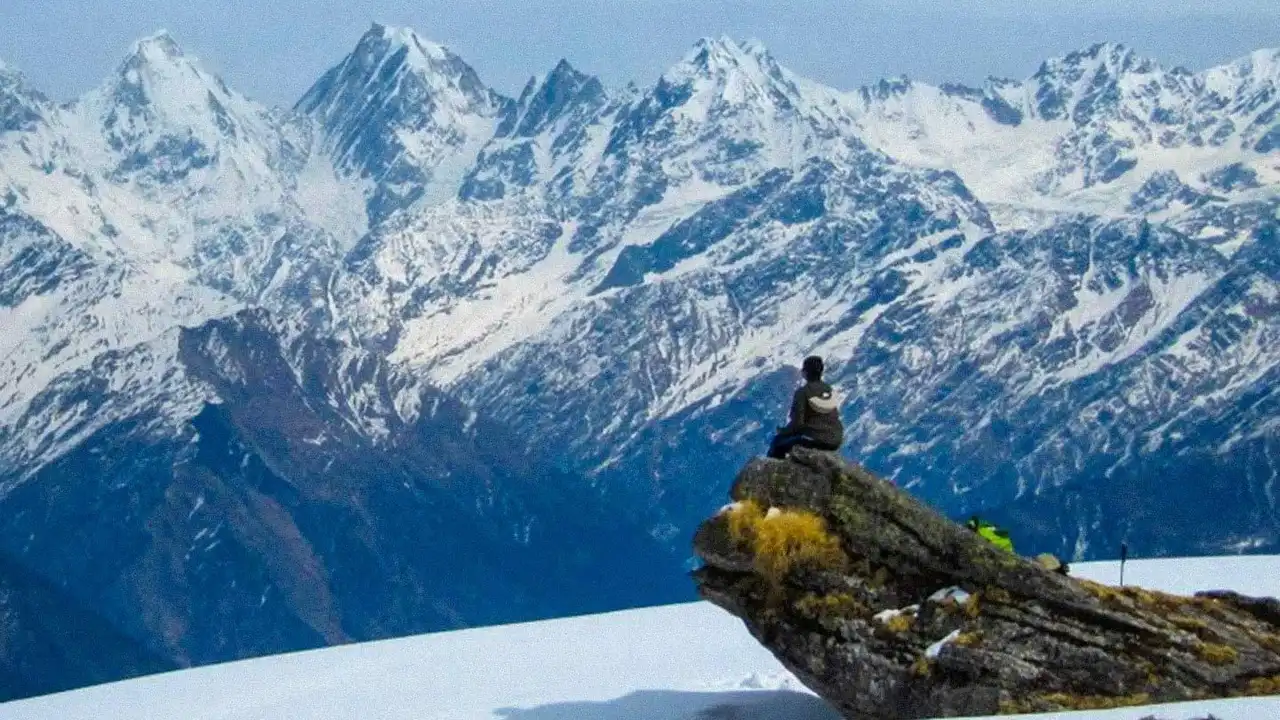
Beyond the headliners, other high-altitude treks are also gaining traction. The Har Ki Dun trek, known as the "Valley of Gods," offers a mix of mythology and natural beauty, though it is a longer option. Treks to alpine lakes like Kagbhusandi Tal and Sahastra Tal in Uttarakhand are drawing seasoned trekkers looking for offbeat paths and solitude. These routes, while more demanding, promise pristine landscapes and a deeper connection with nature. The surge in interest for these treks indicates a maturing adventure tourism market in India, where trekkers are increasingly looking beyond the most famous trails for unique experiences.
Planning for a Monsoon Trek
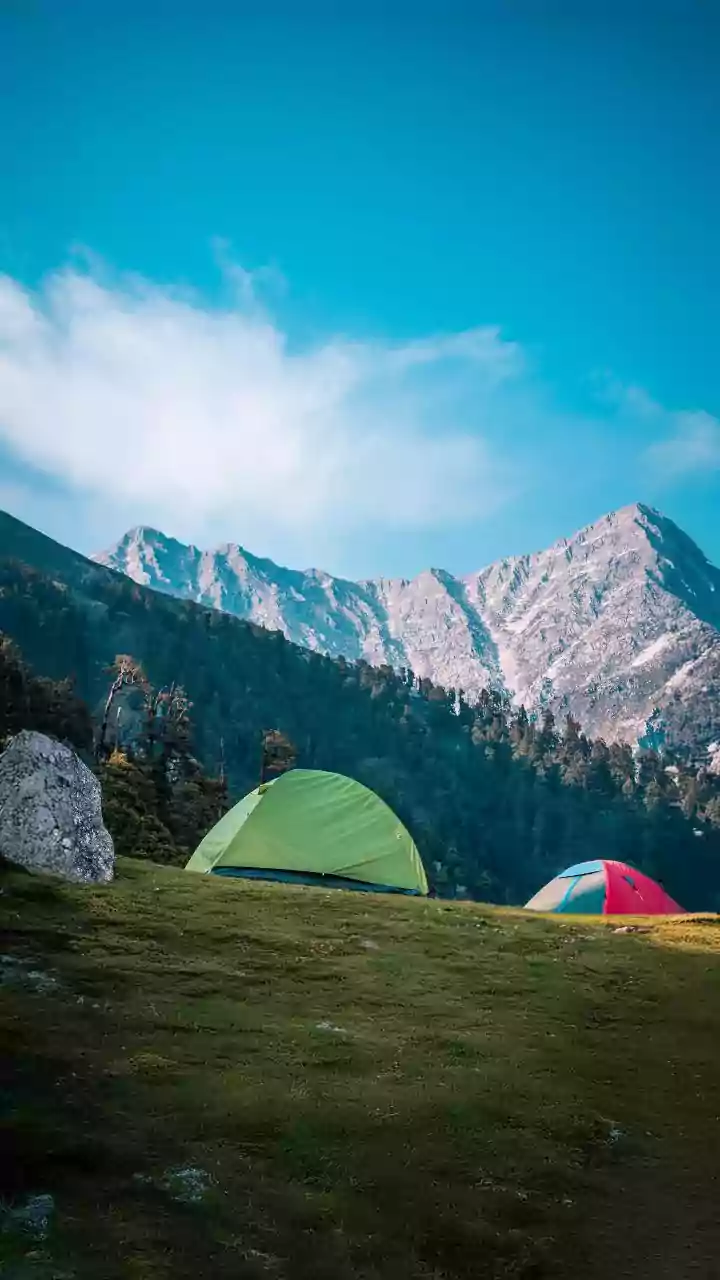
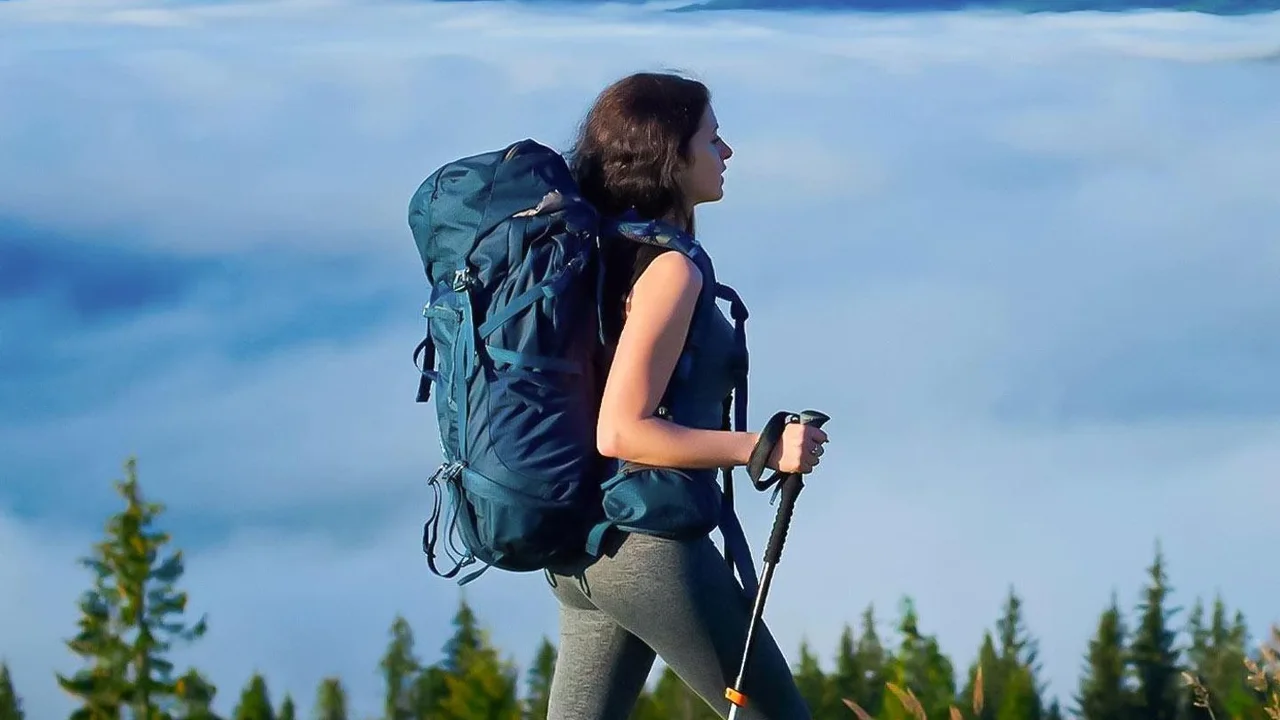
While the monsoon enhances the beauty of the Himalayas, it also demands careful preparation. Trekkers are advised to book with certified and experienced operators who prioritize safety. Essential gear includes waterproof jackets, sturdy trekking shoes with good grip, and quick-drying clothes. Physical fitness is crucial, as high altitude and wet conditions can be taxing. Acclimatization is key to preventing altitude sickness. Most trek itineraries build in a gradual ascent to allow the body to adjust. Given the high demand for the Independence Day weekend, booking transport and accommodation well in advance is highly recommended to avoid last-minute hassles.