






The Power Duo: Ginger and Turmeric
These two roots are non-negotiable during the monsoon. Ginger is celebrated for its ability to soothe sore throats and aid digestion, which can become sluggish in humid weather. Turmeric, with its active compound curcumin, is a powerful anti-inflammatory
and antiseptic agent, helping your body fight off the infections that are common this season. A warm cup of ginger tea or turmeric milk (haldi doodh) is not just comforting but also a potent immunity booster. Pairing turmeric with a pinch of black pepper can enhance curcumin's absorption, making it even more effective.
A Comforting Selection of Dals
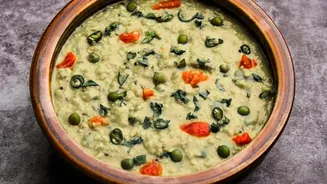
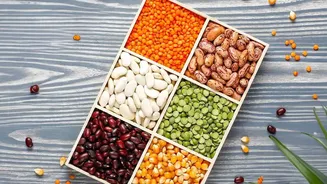
Lentils are the backbone of Indian comfort food, and for good reason. Light and easy-to-digest dals like moong and masoor are particularly recommended during the monsoon. They are excellent sources of protein and fibre, providing sustained energy without feeling heavy on the stomach. A simple dal, paired with steamed rice, makes for a wholesome and deeply satisfying meal, perfect for a rainy evening. A warm bowl of khichdi, a one-pot dish of rice and lentils, is the epitome of rainy-day comfort food.
Wholesome Grains for Grounding Energy
Whole grains like oats, barley, and millets such as jowar and bajra are fantastic to have on hand. They provide complex carbohydrates and steady energy, which can be beneficial when the gloomy weather makes you feel sluggish. These grains are also versatile; you can make everything from a warm bowl of porridge for breakfast to hearty rotis for dinner. Storing them in airtight containers is crucial during the monsoon to prevent them from absorbing moisture and spoiling.
The Magic of Warming Spices
Beyond ginger and turmeric, your masala dabba is a treasure trove of wellness for the monsoon. Spices like black pepper, cloves, cinnamon, and cumin (jeera) not only add depth and flavour to your food but also have warming properties that are beneficial in damp weather. Black pepper helps with digestion, while cloves are known for their antiseptic qualities. Cinnamon is packed with antioxidants, and cumin can help boost your metabolism. Using these spices generously in your cooking can make your meals both delicious and healing.
The Ever-Versatile Besan
What is a rainy day without a plate of hot pakoras? Gram flour, or besan, is the key ingredient for this quintessential monsoon snack. Beyond just fritters, besan is incredibly versatile. You can use it to make savoury pancakes (cheela), comforting kadhi, or even as a thickener for soups and curries. It’s a gluten-free source of protein and having it in your pantry means a quick, comforting snack or meal is never far away.
Comfort in a Cup: Herbal Teas and Soups
There is nothing quite like sipping a warm beverage while watching the rain fall. Stocking up on herbal teas like tulsi, ginger, and lemon tea can provide comfort and hydration. These brews often come with added benefits, from tulsi's antimicrobial properties to the soothing effect of ginger-lemon tea on a cough. Similarly, keeping ingredients for simple, warm soups is a great idea. A light tomato or mixed vegetable soup can be a nourishing and light meal, perfect for when your appetite is low.
Nuts and Seeds for Healthy Snacking
When the craving for a crunchy snack hits, reaching for a handful of nuts and seeds is a healthier choice than fried options. Almonds, walnuts, and pumpkin seeds are packed with healthy fats, protein, and essential minerals like zinc, which supports immune function. They provide a quick energy boost and can be added to oatmeal, salads, or enjoyed on their own. To keep them fresh and prevent them from turning rancid in the humidity, store them in an airtight container in the refrigerator.