




The Pulse of the Nation's Kitchen
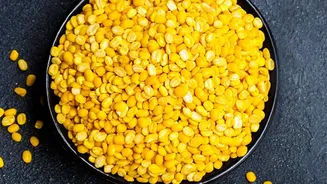
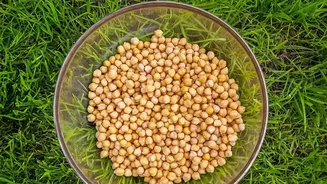
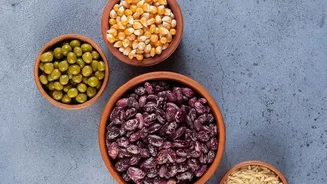
Pulses are more than just a food item in India; they are the primary source of protein for a vast population and a cornerstone of the nation's food security. From chana to tur and moong, the price and availability of dal directly impact household budgets.
Recently, prices have been on an upward trend. In the past month alone, wholesale prices for key pulses like chana and moong have jumped by over 10%, driven by festive season demand and concerns over domestic production after a patchy monsoon. This makes any government intervention a topic of intense public interest.
Understanding Import Duties
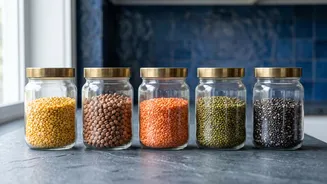
An import duty is a tax collected on imports by customs authorities. Its primary purpose is to raise revenue and, more importantly, to protect domestic producers from global competition. In the case of pulses, these duties make imported dals more expensive, thereby encouraging the purchase of locally grown varieties and ensuring Indian farmers get a fair price. Currently, India levies different rates on various pulses; for instance, a 10% tax on red lentils (masoor) and chickpeas (chana), and a 30% tax on yellow peas. The government has already allowed duty-free imports of tur and urad until March 2027 to manage supplies.
The Argument for Cutting Duties
The logic for lowering duties seems straightforward: if imported pulses become cheaper, the increased supply should force sellers to reduce retail prices. This is the primary argument for consumer relief. With food inflation a persistent worry, reducing or eliminating these taxes on key pulses like lentils and yellow peas is being considered as a quick way to bolster domestic availability and cool down prices. As India is the world's largest importer of pulses, sourcing about 23% of its needs from abroad, changes in import policy can have a significant and immediate impact on the market.
A Balancing Act for Farmers
While consumers might cheer for lower duties, farmers have a different perspective. Import tariffs act as a protective shield, preventing a flood of cheap imports that could depress local market prices. This protection is crucial for farmers to recover their costs and earn a livelihood. The government often uses these duties as a tool to balance farmer welfare with consumer interests. For example, officials might keep the duty on chickpeas (chana) to encourage farmers to plant more of it, while cutting the duty on lentils where domestic supply is tighter. It’s a delicate tightrope walk; a decision that helps city consumers could inadvertently hurt rural producers.
More Than Just Taxes
Focusing solely on import duties oversimplifies the issue. The final price you pay for dal is influenced by a host of other factors. An erratic monsoon, which affects domestic crop yields, is a major driver of price fluctuations. Hoarding by traders, supply chain inefficiencies, transportation costs, and global market dynamics also play a significant role. Even if the government slashes import duties to zero, it's no guarantee that the full benefit will be passed on to the end consumer. Traders and middlemen might absorb a portion of the price difference, limiting the relief felt at the retail level. Therefore, while duty cuts can help, they are not a cure-all.