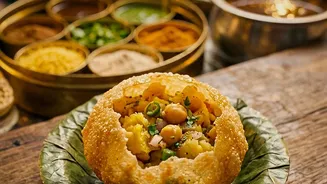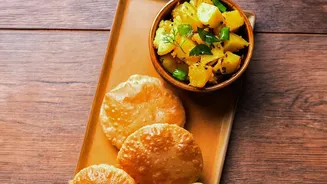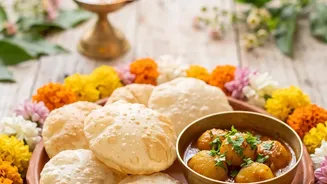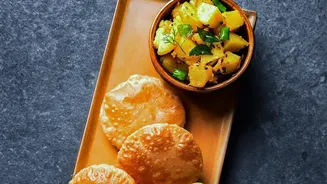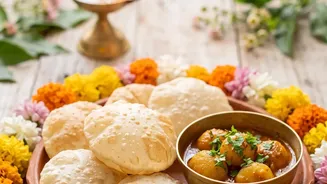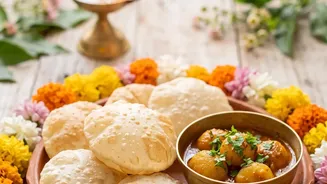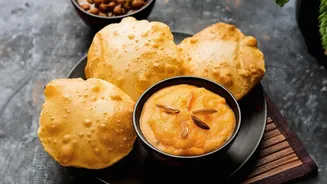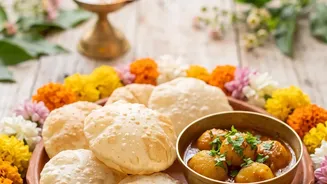


There are few sights more comforting in an Indian household than a plate of hot, puffed-up puris served next to a flavourful sabzi. This quintessential dish is more than just breakfast; it's a culinary emblem of celebration, comfort, and tradition.
The Perfect Culinary Pair
At
its heart, Puri Sabzi is a study in delightful contrasts. The puri, a simple unleavened bread made from whole wheat flour, is deep-fried to golden perfection, transforming into a light, airy disc that is simultaneously soft and crispy. It serves as the perfect vessel for the accompanying sabzi. While many vegetable curries can be paired with it, the most classic and beloved partner is Aloo ki Sabzi. This potato curry, though seemingly simple, is a masterclass in flavour. Often cooked with a base of tomatoes and an aromatic blend of spices like cumin, turmeric, and coriander, it provides a savoury, tangy, and sometimes spicy counterpoint to the richness of the puri. The combination creates a textural and flavourful harmony that has cemented its place in the hearts of millions.
A Journey Across India's Kitchens
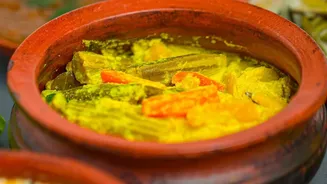
While the combination of fried bread and potato curry is beloved nationwide, Puri Sabzi takes on unique forms as it travels across India. In North India, particularly Uttar Pradesh and Delhi, the breakfast often features Bedmi Puri, a heartier version stuffed with a spiced lentil paste, served alongside a fiery aloo curry. Head east to Bengal, and you will find its delicate cousin, 'Luchi', made with refined flour (maida) and served with a comforting 'Aloor Dum'. In Gujarat, the sabzi might have a hint of sweetness, while in Punjab, it's not uncommon to find Palak Puri, where spinach purée is added to the dough, giving it a vibrant green hue and an extra dose of nutrition. Down south, the puri is often served with potato masala or even a flavourful vegetable kurma. These regional variations tell a story of local tastes and available ingredients, showcasing the dish's incredible versatility.
More Than Just a Meal
The significance of Puri Sabzi extends far beyond the breakfast table. It is a dish deeply woven into the cultural fabric of India. Thanks to the use of ghee or oil for deep-frying, puris were traditionally considered 'pucca khaana'—food deemed pure and suitable for auspicious occasions and offerings. This is why Puri Sabzi is a non-negotiable part of many festivals, from Navratri fasts (using specific flours) to celebratory feasts on Diwali. It is also the ultimate comfort food, evoking powerful feelings of nostalgia. For many, the taste of Puri Sabzi is synonymous with lazy Sunday mornings, family gatherings, or the special tiffin box packed for a long train journey. Its presence on both festive platters and humble street food stalls speaks to its universal appeal.
The Art of the Perfect Puff
Anyone who has attempted to make puris at home knows that achieving that perfect, balloon-like puff is both an art and a science. The secret lies in a few key details. The dough must be firm and stiff, not soft like a chapati dough, to prevent it from absorbing too much oil. After kneading, letting the dough rest for about 15-20 minutes is crucial. The temperature of the oil is equally important; it needs to be hot enough to make the puri puff up instantly but not so hot that it burns. A gentle press with a slotted spoon while frying encourages the steam to build up inside, creating the iconic hollow sphere. While a flat puri is still delicious, the satisfaction of seeing it inflate in the hot oil is a joy in itself.