


Ready Your Vehicle for the Rain
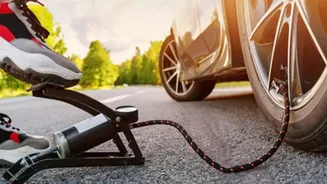
Before you even turn the key, ensuring your car is ready for wet conditions is your first line of defence. Your tyres, brakes, and wipers are critical safety components that demand attention, especially during the monsoon. Tyres should have adequate tread
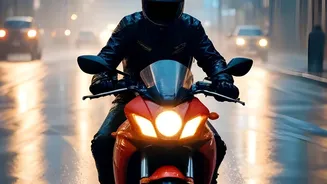
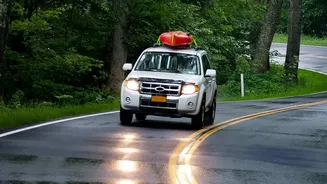
depth—at least 2-3 mm is advisable—to maintain a proper grip on slippery roads and prevent aquaplaning. Worn-out tyres can significantly increase your braking distance and reduce control. Similarly, your wiper blades should be in top condition, clearing water from the windshield without leaving streaks that impair vision. It's a good practice to replace them at the start of each rainy season. Finally, check that all your lights are working: headlights, taillights, and indicators. Using your headlights even in light rain makes you more visible to other drivers and pedestrians.
Adapt Your Driving Habits
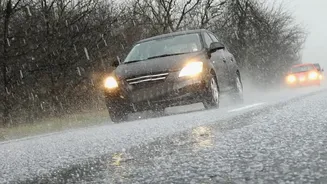
The most important adjustment to make when driving in the rain is to slow down. Speed limits are designed for ideal, dry conditions. Wet roads dramatically reduce friction, meaning it takes longer to stop. Reduce your speed and increase the following distance between you and the vehicle ahead to at least three car lengths. This buffer gives you more time to react if the car in front brakes suddenly. Avoid the temptation to use cruise control, as it can interfere with your ability to respond to changing road traction. Be gentle with your braking and acceleration to prevent skidding. If you encounter standing water, slow down to avoid hydroplaning, a dangerous situation where your tyres lose contact with the road. If you feel your car start to hydroplane, ease your foot off the accelerator and steer gently in the direction you want to go until you regain control.
Gear Up to Stay Dry and Visible
For those who walk or use public transport, the right gear is essential for a tolerable commute. Investing in a sturdy, lightweight raincoat is often more practical than an umbrella, which can be difficult to manage in windy conditions or crowded spaces. More importantly, your choice of rain gear affects your safety. Opt for bright, colourful, or reflective clothing to make yourself more visible to drivers, as visibility drops significantly during a downpour. Dark-coloured clothes can make you nearly invisible on a gloomy day. Waterproof footwear with good grip is also crucial to prevent slips and falls on slick pavements, metal grates, or wet leaves. Consider keeping a spare pair of shoes and socks at your workplace to avoid the discomfort of sitting in soggy footwear all day.
Plan, Time, and Track Your Journey
Spontaneity is not your friend during a heavy downpour. Before you leave, check the weather forecast and real-time traffic updates. Heavy rain can cause unexpected road closures, waterlogging, and significant delays. Giving yourself extra travel time—perhaps 20% more than usual—can reduce the stress of rushing in hazardous conditions. If you rely on public transport, use transit apps to check for service alerts and real-time arrival information. This allows you to time your departure precisely, minimizing the time you spend waiting at an exposed bus stop or train platform. Some apps even allow you to plan a route with the least amount of walking, a feature that can be a true saviour when it is raining heavily.
Prioritise Awareness and Focus
Whether you are behind the wheel or on foot, your full attention is required during a rainy commute. Distractions can be deadly. For drivers, this means putting your phone away and minimising other activities like adjusting the radio. For pedestrians, it is just as critical to stay alert. Avoid using your phone while walking, as you need to watch for submerged potholes, slippery surfaces, and approaching traffic. The simple act of dashing across the road to get out of the rain is extremely dangerous because a driver's visibility is already compromised. Always use designated crosswalks and never assume a driver has seen you. Try to make eye contact with drivers before stepping into the road to ensure they acknowledge your presence. A moment of inattention is all it takes for an accident to happen.