


Decoding the IMD's Colour Codes
The India Meteorological Department (IMD) uses a simple colour-coded system to warn citizens of hazardous weather. For travellers, knowing what these mean is the first line of defence. A 'Green' alert means all is well and no advisory is in place. A 'Yellow'
alert means 'Be Aware'. This signals that conditions could worsen and you should stay updated. It might mean moderate rainfall that causes minor disruptions, so it's a good idea to build extra time into your travel plans. An 'Orange' alert is a more serious call to 'Be Prepared'. This is issued when extremely bad weather is expected, with the potential for disruptions to transport and communication, including road closures and power outages. For hill stations, this raises the risk of landslides. A 'Red' alert means 'Take Action'. This is the highest level of warning for extremely severe weather that poses a significant threat to life and property. If a red alert is issued for your destination, you should avoid travel or change your plans immediately.
Your Official Go-To Weather Sources
Relying on generic weather websites is not enough. For accurate, location-specific information, it's best to use official Indian government resources. The primary tool is the 'Mausam' app, developed by the IMD. Available for both Android and iPhone, this app provides real-time weather updates, forecasts for hundreds of cities, and crucially, colour-coded district-wise alerts for the next five days. The app is designed to be user-friendly, translating complex data into simple forecasts without technical jargon. You can set it to your location to receive proactive warnings for phenomena like heavy rain or thunderstorms. Beyond Mausam, the IMD's official website (mausam.imd.gov.in) and its social media channels provide detailed bulletins and updates. The 'Damini' app is another useful tool specifically for monitoring lightning activity.
Beyond the Forecast: The Value of Local Intelligence
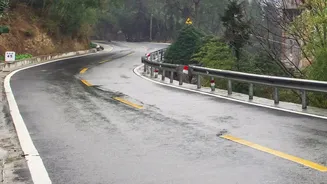
Technology provides a great forecast, but nothing beats on-the-ground, real-time information. Hilly regions have microclimates where conditions can change rapidly from one valley to the next. The most reliable information often comes from the people who live and work there. Before setting out for a day of sightseeing or travelling to a remote area, talk to your hotel staff, local taxi drivers, or shopkeepers. They will have the latest updates on road conditions, potential landslide risks, and which routes are safest. Local drivers, in particular, are often in contact with a network of other drivers and can provide hyper-local advice that an app might miss. If a local advises against travelling on a particular route, it is wise to trust their experience.
A Traveller’s Safety Checklist
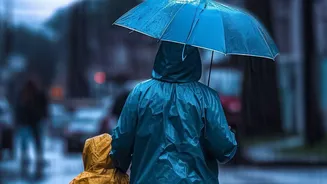
Preparation is everything when heading to the mountains, especially during the monsoon. First, always add a buffer day to your itinerary to account for unexpected delays from roadblocks or landslides. When packing, prioritise practical, waterproof gear over fashion. A good raincoat is essential, as umbrellas are often useless against strong winds on hillsides. Invest in waterproof shoes with good grip to prevent slips on wet, mossy paths. Keep your electronics, clothes, and important documents safe by packing them in ziplock bags or waterproof dry bags inside your main luggage. Finally, always carry a basic emergency kit containing a torch, a power bank, essential medications, and some high-energy snacks. Even if the weather looks clear, conditions can turn in an instant, and it’s always better to be over-prepared.