



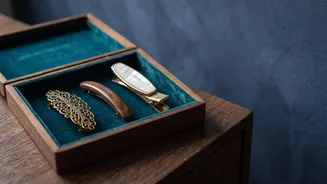
A Pin Through History
Before it was a statement piece, the brooch was a practical necessity. Its story begins in the Bronze Age with early versions, called fibulae, used to fasten cloaks and tunics. For centuries, these pins were purely functional, crafted from thorns or basic
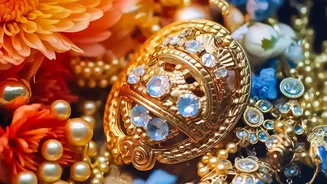
metals. It wasn't until later eras, like the Byzantine and Renaissance periods, that they transformed into decorative symbols of wealth and status, adorned with intricate designs, enamel, and precious gems. The Victorians perfected the sentimental brooch, using them for mourning or as tokens of love, often with intricate floral motifs or lockets. Each era, from the geometric precision of Art Deco to the bold gold of the mid-century, left its mark, turning the humble pin into a wearable piece of art.
More Than Just an Accessory
So why is this 'old-fashioned' item trending now? The revival is driven by a desire for individuality and sustainability. Unlike mass-produced accessories, a vintage brooch is a one-of-a-kind find with a past. It’s a form of 'slow fashion' that rebels against fleeting trends, offering instead a piece of history and craftsmanship that you can’t find in a modern store. Whether it's a sparkling Art Deco clip from the 1920s or a quirky animal motif from the 1960s, a vintage brooch tells a story. It’s an instant conversation starter and a way to signal personal style that feels authentic and curated, not just purchased off a mannequin.
The Modern Ways to Wear a Brooch
Forget the old rule about pinning a brooch to your left lapel. The modern way to style a brooch is all about creativity and unexpected placement. A blazer lapel is a classic starting point, instantly elevating a simple jacket. But don't stop there. Try pinning one at the collar of a button-down shirt to create a focal point, or use it to fasten a cardigan. For a more fashion-forward look, cluster two or three different brooches together on a denim jacket or a simple sweater. They also look chic on accessories; pin one to a felt hat, a canvas tote bag, or even the strap of a handbag to add a touch of vintage charm. The key is to see the brooch not just as jewellery, but as a versatile styling tool.
A Guide to Painless Pinning
One common concern is that a pin might damage delicate fabrics. The trick is to match the weight of the brooch to the sturdiness of the material. Heavy brooches are best on structured fabrics like wool coats, denim, or blazers with reinforced lapels. For lighter materials like silk or fine knits, opt for smaller, more lightweight pins. You can also protect your garment by placing a small piece of felt or interfacing behind the fabric before you push the pin through; this provides support and distributes the weight. For very delicate items, consider magnetic brooch converters that hold the piece in place without piercing the fabric at all. And remember to remove your brooches after wearing to prevent accidental snags.
Where to Find These Treasures
Part of the fun of collecting vintage brooches is the hunt. The best place to start is often within your own family; ask mothers and grandmothers if they have any old jewellery boxes tucked away. Beyond that, local flea markets, antique shops, and estate sales are treasure troves for unique and affordable finds. Online marketplaces have also made it easier than ever to shop for specific styles, with countless sellers curating collections of everything from Victorian mourning brooches to playful lucite pins from the 1950s. Look for pieces with interesting details, quality craftsmanship, and a design that speaks to your personal style.