




For Today: The 'Eat Me First' Basket
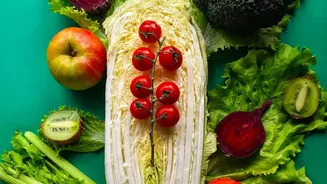
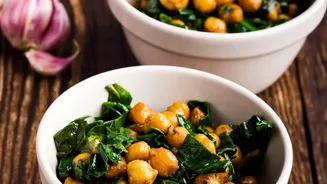
These are the most delicate items that lose their freshness quickly and should be enjoyed within a day or two of your shopping trip. Think of them as the stars of your Monday and Tuesday meals. This category includes leafy greens like spinach and rocket,
which are prone to wilting. Fresh herbs such as basil and coriander also have a short shelf life. Other highly perishable items are berries (strawberries, raspberries, blueberries), mushrooms, asparagus, and green beans. To make the most of them, plan meals that feature them prominently at the start of your week. A big salad, a mushroom omelette, a side of roasted asparagus, or a berry-topped breakfast are all great ways to use these ingredients at their peak.
For Midweek: The Versatile Bridge
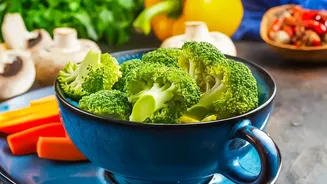
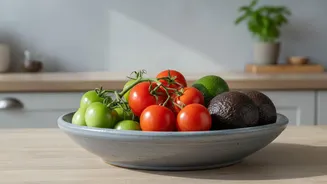
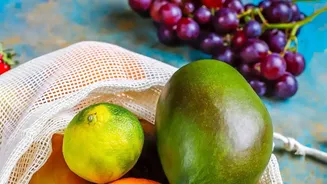
By Wednesday, your most fragile produce has been enjoyed, and it's time to turn to the items that hold up for a few days. These are the versatile workhorses of your midweek meals. Vegetables like broccoli, cauliflower, bell peppers, and cucumbers fit perfectly here. They should be stored in your refrigerator's crisper drawer to maintain their texture and flavour. Fruits such as ripe avocados, peaches, and plums also fall into this category; you can ripen them on the counter and then move them to the fridge to extend their life for a couple of extra days. Tomatoes are best stored on the counter to preserve their flavour. These ingredients are perfect for stir-fries, mid-week sheet pan dinners, or adding some crunch to your sandwiches and salads.
For the Weekend: The Long-Lasting Heroes
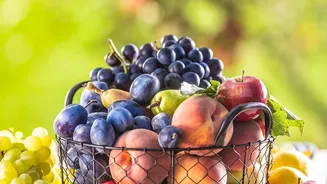
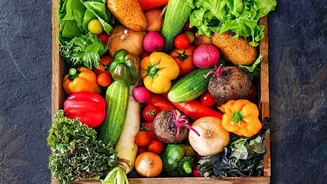
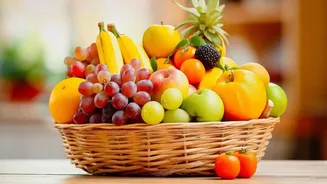
As you head into the weekend, you'll rely on the most durable produce. These are the items that, when stored correctly, can last for a week or even longer, forming the foundation of your heartier weekend dishes. Root vegetables are the champions of longevity. This includes potatoes, sweet potatoes, carrots, and beets. Onions and garlic, when kept in a cool, dark, and dry place, will also last for an extended period. It's important not to store onions and potatoes together, as gases from the onions can cause the potatoes to spoil faster. In the fruit bowl, apples and citrus fruits like oranges and lemons are your best bet for long-term freshness. These ingredients are ideal for slow-cooked stews, roasts, and prepping meals for the week ahead.
A Few Words on Smart Storage
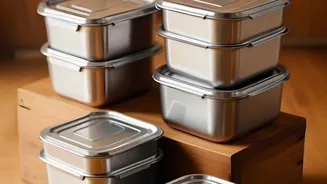
How you store your produce is just as important as when you buy it. A key rule is to keep certain fruits and vegetables separate. Fruits like apples, bananas, and avocados produce ethylene gas, a natural ripening agent that can cause nearby vegetables like leafy greens and broccoli to spoil faster. Many fruits should be ripened at room temperature and then moved to the fridge. For leafy greens and herbs, removing excess moisture before refrigeration is crucial; wrapping them in a dry paper towel can make a huge difference. Asparagus can be stored upright in a glass with a little water, like a bouquet of flowers, to keep it crisp. Using your refrigerator's crisper drawers properly helps control humidity and extends the life of many vegetables.