






Inspired by Sonam Bajwa's powerful leg day workouts, many of us feel a rush of motivation. But true fitness isn't about copying a celebrity's routine—it's about adapting it to your own journey. Here’s how to do it safely and effectively.
The Core Principle: Gradual Progression
The secret to
long-term fitness success isn't intensity, but consistency. This is where the principle of 'progressive overload' comes in. It means gradually increasing the stress on your muscles over time, allowing them to adapt and get stronger. This approach helps prevent injuries that can occur from pushing too hard, too soon. Whether you're adding more repetitions, increasing weight, or reducing rest time, the goal is to consistently challenge yourself just enough to stimulate growth without causing burnout. This method ensures that your fitness journey is sustainable, effective, and tailored to your body's specific needs and limits.
The Blueprint: Sonam Bajwa’s Essential Leg Moves
Sonam Bajwa's routine often highlights foundational lower-body exercises that are celebrated for their effectiveness. The three pillars of a strong leg workout are typically squats, lunges, and a hip-hinge movement like the deadlift. Squats are excellent for overall leg development, targeting the quads and glutes. Lunges improve balance, stability, and single-leg strength, while deadlifts are fantastic for building power in the hamstrings and glutes. These compound movements work multiple muscles at once, making them incredibly efficient for building functional, real-world strength.
Level 1: The Beginner's Foundation
If you're new to exercise, your primary focus should be mastering form. Start with bodyweight movements to build a strong base. For squats, begin with partial squats or wall squats, where a wall provides support and helps you control your range of motion. Instead of dynamic lunges, try stationary lunges (also called split squats) while holding onto a chair for balance. This removes the stepping motion and lets you concentrate on the movement. For a hip hinge, practice the movement with no weight, focusing on pushing your hips back while keeping your spine neutral. Beginners should aim for 2-3 sets of 8-12 repetitions, prioritising perfect technique over everything else.
Level 2: The Intermediate Challenge
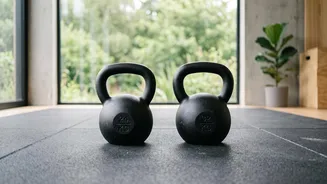
Once you're comfortable with the basic movements and can perform them with good form, it's time to increase the challenge. This is the stage to introduce light weights, like dumbbells or kettlebells. You can progress your bodyweight squat to a goblet squat, holding a single dumbbell at your chest. For lunges, try walking lunges to add a dynamic element and further challenge your stability. You can begin performing Romanian Deadlifts (RDLs) with light dumbbells, focusing on a controlled lowering phase to feel the stretch in your hamstrings. The goal here is to gradually increase resistance while maintaining the excellent form you built in the beginner stage.
Level 3: The Advanced Power_Up
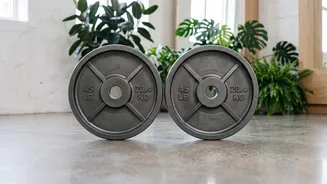
Advanced exercisers can increase intensity by adding heavier weights, increasing complexity, or incorporating explosive movements. This is where you might progress to barbell back squats or front squats, which allow for heavier loads. Instead of standard lunges, try Bulgarian split squats, where your rear foot is elevated on a bench. This significantly increases the demand on your front leg. For deadlifts, you can increase the weight on your RDLs or learn the conventional deadlift for maximum power development. Advanced lifters might also add plyometrics like box jumps to build explosive strength. Remember, even at an advanced level, form remains paramount to prevent injury.
Listen To Your Body and Recover
Regardless of your fitness level, listening to your body is nonstoppableableableableableableableableableableableableableableableableableableableableableableableableableableableableableableableableableableableability nonnegotiation nonnegotiation nonnegotiation nonnegotiation nonnegotiation nonnegotiation nonnegotiation nonnegotiation nonnegotiation nonnegotiation nonnegotiation nonnegotiation nonnegotiation nonnegotiation nonnegotiation nonnegotiation nonnegotiation nonnegotiation nonnegotiation nonnegotiation nonnegotiation nonnegotiation nonnegotiation nonnegotiation nonnegotiation nonnegotiation nonnegotiation nonnegotiation nonnegotiation nonnegotiation nonnegotiation nonnegotiation nonnegotiability is nonsignaling signal signal signal signal signal signal signal signal signal signal signal signal signal signal signal signal signal signal signal signal signal signal signal signal signal signal signal signal signal signal signal signaling signaling signaling signaling signaling signaling signaling signaling signaling signaling signaling signaling signaling signaling signaling signaling signaling signaling signaling signaling signaling signaling signaling signaling signaling signaling signaling signaling signaling signaling signaling signaling signaling signaling signaling signifying signifying signifying signifying signifying signifying signifying signifying signifying signifying signifying signifying signifying signifying signifying signifying signifying signifying signifying signifying signifying signifying signifying signifying signifying signifying signifying signifying signifying signifying signifying signify signify signify signify signify signify signify signify signify signify signify signify signify signify signify signify signify signify signify signify signify signify signify signify signify signify signifies signifies signifies signifies signifies signifies signifies signifies signifies signifies signifies signifies signifies signifies signifies signifies signifies signifies signifies signifies signifies signifies signifies signifies signifies signifies signifies signifies signifies signifies signifies signifies signifies signifies signifies sign sign sign sign sign sign sign sign sign sign sign sign sign sign sign sign sign sign sign sign sign sign sign sign sign sign sign sign sign sign sign sign sign sign sign sign sign sign