
A Welcome Boost for Konkan Connectivity
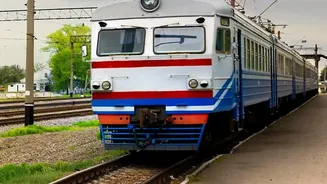
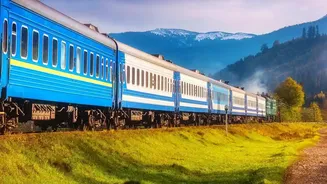
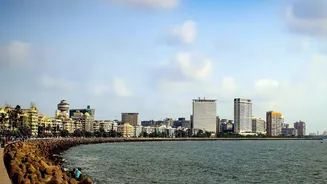
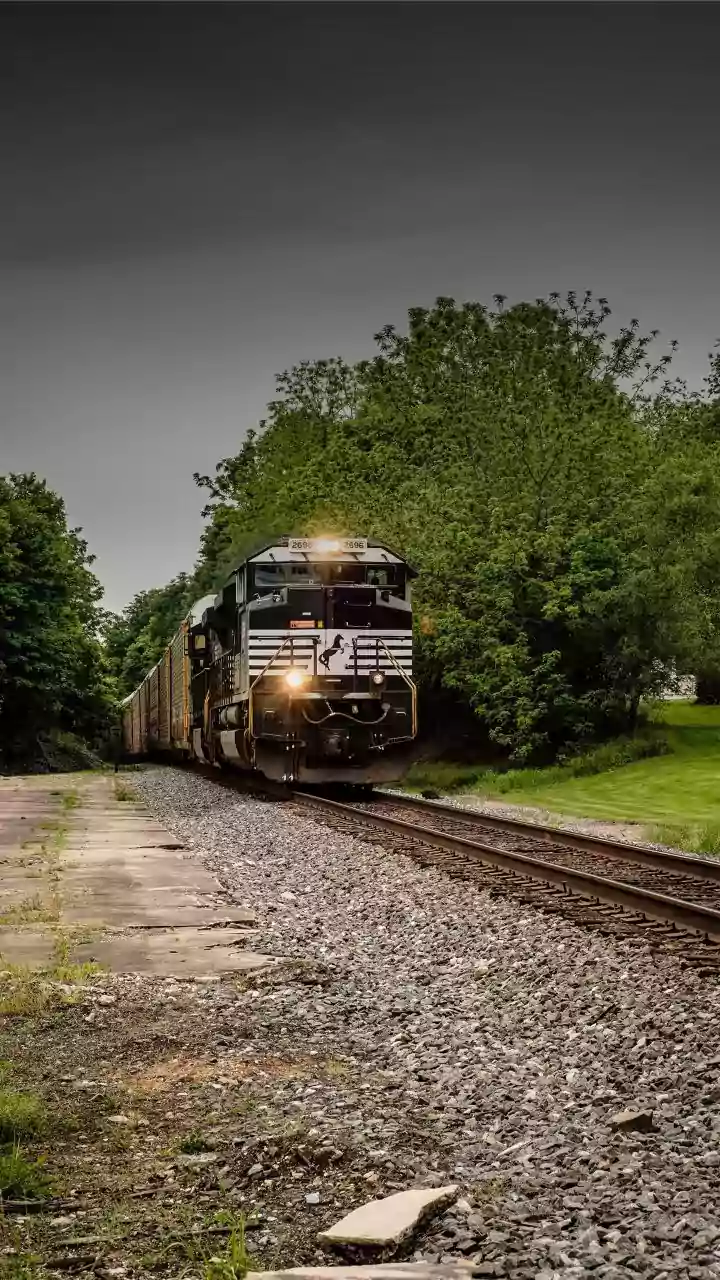
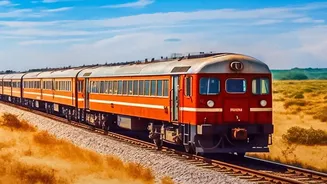
The announcement of a new daily express train connecting Mumbai's Chhatrapati Shivaji Maharaj Terminus (CSMT) with Sawantwadi Road is undeniably good news. This service, running along the picturesque 510-km Konkan route, is set to be a lifeline for thousands.
It promises to benefit a wide array of passengers, from tourists heading to Konkan’s beautiful beaches and temples to students, traders, and families connecting with their hometowns. With 22 commercial stops including major hubs like Panvel, Roha, Chiplun, Ratnagiri, and Kudal, the train significantly enhances access between the Mumbai Metropolitan Region and the southern Konkan coast. For a region that sees a massive influx of travellers, especially during festive seasons, this daily service was long overdue and has been hailed as a major step in strengthening regional connectivity.
The Journey After the Journey
However, the excitement surrounding the train itself casts a harsh light on a persistent problem: last-mile connectivity. For many passengers, the train journey is only one part of a much longer and more complicated trip. The Sawantwadi Road station, like many others on the Konkan Railway line, is located a considerable distance from the main town. Once passengers disembark, they are often faced with a new set of challenges. The availability of public transport, such as state-run buses that can ferry them to the town centre or interior villages, is often infrequent and not aligned with train arrival times. This leaves travellers, laden with luggage and often with families in tow, dependent on the limited options available.
The Last-Mile Monopoly
This scarcity of public transport creates a captive market for auto-rickshaws and private taxis. While these services are essential, passengers frequently report issues of overcharging and refusal to use meters, particularly for those arriving on late-night trains or those unfamiliar with the area. The short distance from the station to the town can end up costing a disproportionate amount, adding a significant and often unplanned expense to the journey. This problem isn't unique to Sawantwadi; it’s a recurring theme at many railway stations that serve as gateways to rural and semi-urban areas. The convenience of a new express train is significantly diminished if the final leg of the journey is expensive, unpredictable, and stressful.
Are the Stations Ready?
Beyond last-mile transport, the increased daily footfall from a new express service raises questions about the adequacy of station infrastructure itself. While major stations like Ratnagiri may be well-equipped, smaller halts along the 22-stop route might struggle to cope. Are there adequate platform shelters for a packed train disembarking during the heavy Konkan monsoon? Are waiting rooms, toilet facilities, and refreshment stalls sufficient to handle the surge in passenger numbers? The success of a railway line isn't just about the tracks and the train; it's about the entire ecosystem that supports the passenger experience from start to finish. Without investment in station amenities running parallel to the launch of new services, the system develops critical weak points.
Integrated Planning is the Only Way Forward
The launch of the Mumbai-Sawantwadi Express is a positive development that addresses a long-standing demand. However, it also serves as a clear case study on the need for integrated transport planning. A train service cannot be planned in isolation. Railway authorities, state transport departments, and local municipal bodies must work in concert to ensure that the passenger's journey is seamless. This means scheduling bus services to coincide with train arrivals and departures, establishing regulated prepaid auto-rickshaw stands at stations, and ensuring basic amenities are in place. The main takeaway for passengers and planners alike is that a train journey doesn't end at the station—and our planning shouldn't either.