
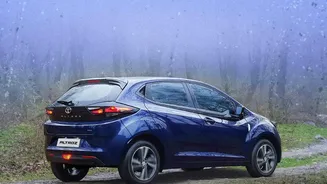
The Journey to the Valley of Flowers
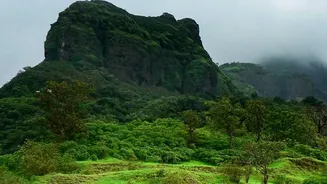
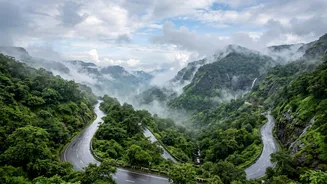
The drive to Kaas Plateau, a UNESCO World Heritage site, is a classic monsoon experience. While the famous mass flowering of over 850 species typically peaks between late August and early October, the journey itself is spectacular all through the rains.
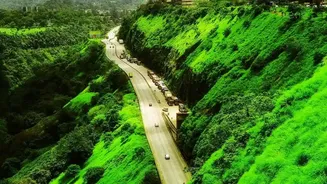
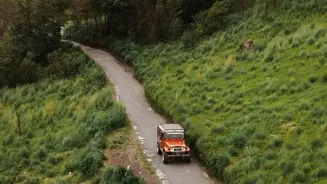
The road from Satara, about 25 km long, winds through rolling hills and offers expansive views of lush landscapes. The area becomes a carpet of green, punctuated by small streams and the serene Kaas Lake at the plateau's edge. During these months, the route is less about speed and more about soaking in the atmosphere. Remember that roads can be slippery, and heavy rain can cause fog, so cautious driving is essential. Due to its ecological sensitivity, access to the core flowering zone is often regulated during peak season, so checking with local authorities before you go is a good idea.
The Majestic Thoseghar Waterfall Circuit
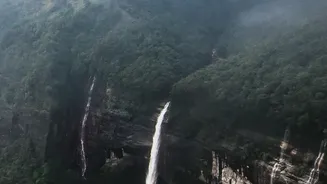
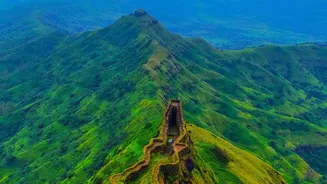
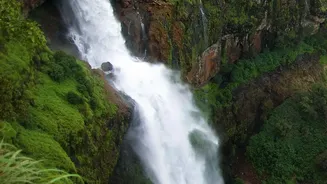
Around 20 km from Satara, the route to Thoseghar Falls is a must-do for waterfall chasers. The monsoon season, from July to November, is the prime time to visit, as the rains feed a series of cascades, with the tallest plummeting from a height of nearly 200 metres. The drive itself is incredibly scenic, taking you through winding roads and verdant valleys that come alive with countless smaller waterfalls. A well-maintained viewing platform allows for safe and spectacular views of the main falls. For an extended trip, consider visiting the nearby Chalkewadi Windmill Farm, where hundreds of windmills stand amidst the clouds, creating a surreal landscape. Another nearby attraction is the historic Sajjangad Fort, offering panoramic views and a dose of history. Be sure to wear sturdy, non-slip footwear as the trails can get very slippery.
The Drive to 'Mini Kashmir'
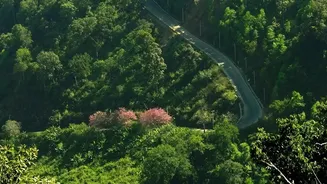
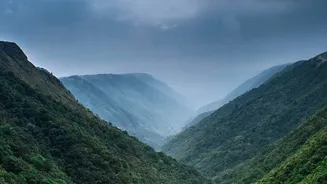
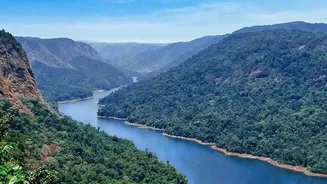
Often called the 'Mini Kashmir' of Maharashtra, Tapola is a satellite village about 25 km from Mahabaleshwar, renowned for the stunning Shivsagar Lake. The drive to Tapola is an adventure in itself, with twisting roads offering breathtaking views of the Koyna backwaters and dense forests. This route is generally less crowded than the main Mahabaleshwar circuit, offering a more tranquil experience. Once there, you can indulge in boating or kayaking on the serene lake. The area is also a gateway to more rugged adventures, with treks to ancient forts like Vasota and Jaygad. However, travelers should be aware that heavy monsoon rains can sometimes affect road conditions. In July 2026, for example, a significant crack was reported on the Mahabaleshwar-Tapola road, leading to traffic restrictions, so it's always wise to check for local updates before setting out.
The Old Mahabaleshwar-Panchgani Loop
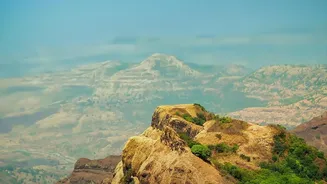
The short drive between Panchgani and Mahabaleshwar can be extended into a beautiful scenic loop via Old Mahabaleshwar. This route takes you through dense foliage and past several iconic viewpoints like Kate's Point, Elephant's Point, and the historic Krishnabai and Mahabaleshwar temples. During the monsoon, these points are often shrouded in mist, creating a mystical and ethereal atmosphere. The drive is dotted with opportunities to stop for roasted corn on the cob (bhutta) while enjoying the cool, rain-washed air. Lingmala Waterfall, another spectacular sight on this route, is at its most powerful during this season. This drive is less about the destination and more about the series of beautiful moments you'll find along the way, from misty valleys to the spiritual calm of ancient temples.
Monsoon Driving Tips
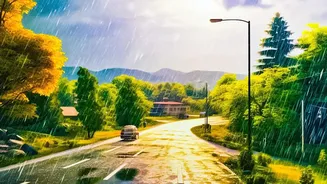
Driving in the ghats during the monsoon requires extra caution. Roads can be slippery, and visibility can drop to near-zero in heavy fog. Always check weather forecasts and road conditions before you leave; landslides can lead to temporary road closures, as has been seen on the Satara-Mahabaleshwar road in the past. Drive slowly, keep a safe distance from other vehicles, and avoid stopping in areas with loose soil or rocks. Ensure your car's tyres, wipers, and headlights are in excellent condition. Carry a basic first-aid kit, some snacks, and water. Finally, respect the pristine environment by not littering and sticking to designated paths and viewpoints.