

Not All Iron Is Created Equal
To understand why a squeeze of lemon is so powerful, we first need to talk about iron. Iron is a crucial mineral that helps carry oxygen in your blood and gives you energy. It comes in two forms: heme and non-heme. Heme iron is found in animal products
like meat, poultry, and fish. Our bodies find it very easy to absorb, taking in as much as 35% of what we consume. Non-heme iron, on the other hand, is the type found in plant-based foods—think lentils, beans, and of course, dark leafy greens. While abundant, non-heme iron is much trickier for our bodies to use. The absorption rate can be as low as 2%, meaning most of it might pass through your system without ever being used.
The Hidden Barriers in Healthy Foods
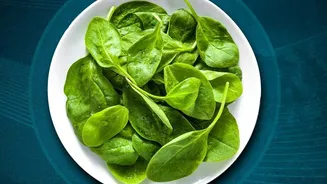
Why is plant-based iron so hard to absorb? The answer lies in compounds called 'inhibitors' that are naturally present in many healthy plant foods. Leafy greens like spinach contain oxalates, which bind to iron and block its absorption. Similarly, phytates, found in whole grains, legumes like dal, nuts, and seeds, also interfere with the process. Even our daily habits can work against us. The tannins in your beloved cup of chai or coffee are potent iron inhibitors. Another surprising culprit is calcium. This means that in a classic Indian dish like palak paneer, the calcium from the paneer can significantly reduce your ability to absorb the iron from the spinach. These factors combined mean that even an iron-rich vegetarian diet might not be delivering the mineral as effectively as you think.
Vitamin C: The Key to Unlocking Plant Minerals
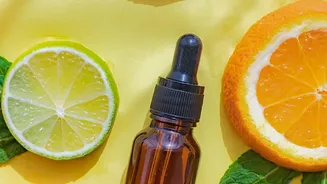
This is where Vitamin C, also known as ascorbic acid, comes to the rescue. Think of it as a key that unlocks non-heme iron. When you consume Vitamin C along with a plant-based source of iron, it works its magic in your digestive system. It chemically changes the iron from its hard-to-absorb ferric form (Fe³⁺) into the much more soluble and readily absorbable ferrous form (Fe²⁺). Vitamin C essentially grabs onto the iron molecule, forming a compound that keeps it available for your body to absorb, even in the presence of inhibitors like phytates and oxalates. This simple partnership turns your gut into a more efficient environment for mineral uptake, ensuring you get more bang for your nutritional buck.
Just How Big Is the Boost?
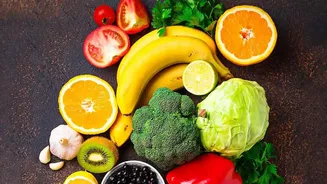
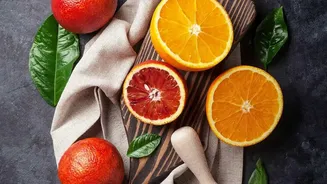
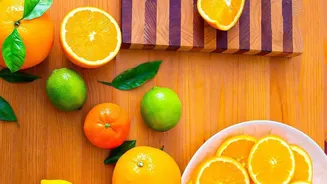
The headline's claim that it 'doubles' bioavailability isn't an exaggeration—in fact, it can be even more dramatic. Research has shown that adding Vitamin C to a meal can increase non-heme iron absorption by two to four times. Some studies have found that as little as 25 milligrams of Vitamin C—the amount in a couple of tomato slices—can be enough to double absorption. Another study noted that adding 100 milligrams of ascorbic acid (the amount in a large orange or a cup of chopped bell peppers) increased iron absorption from a meal by over four times. This effect is directly proportional; the more Vitamin C you include, the greater the enhancement of iron absorption from the plant-based foods in that same meal.
Simple Habits for Maximum Nutrition
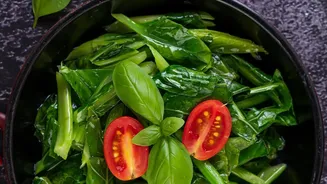
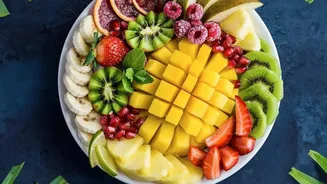
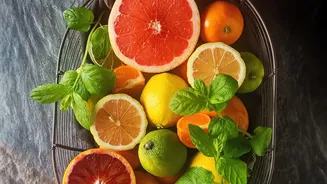
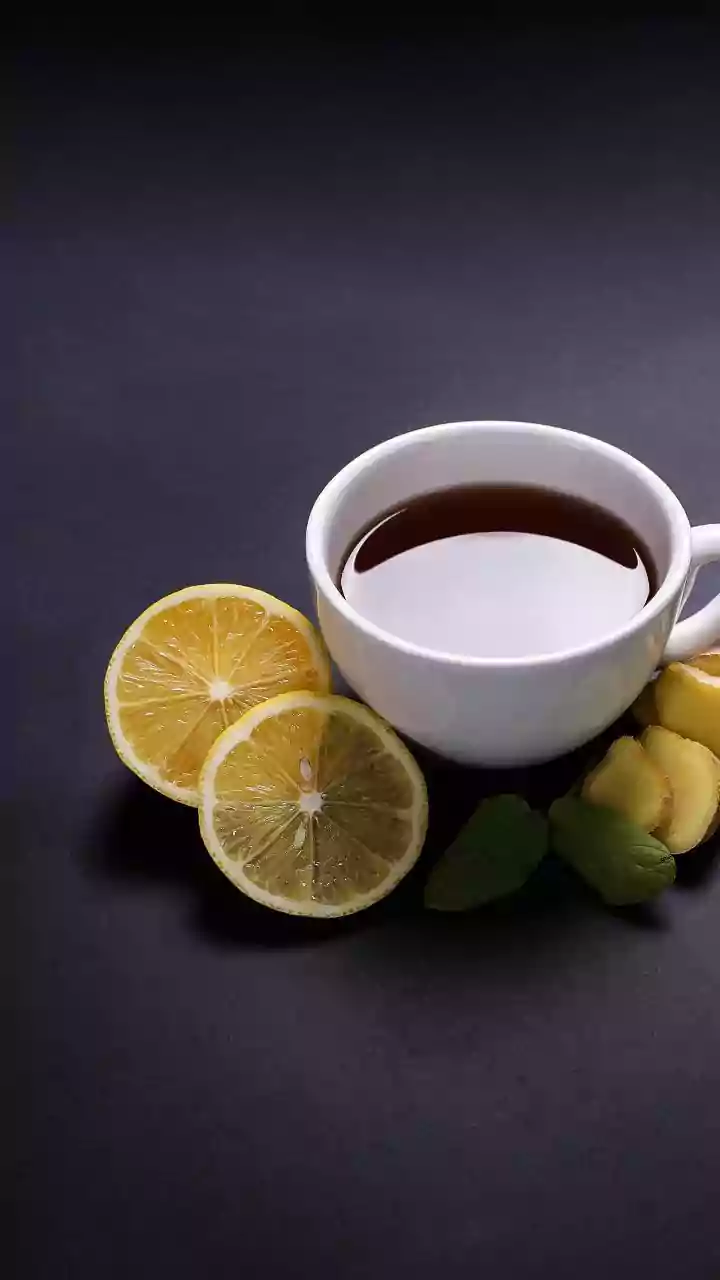
Integrating this knowledge into your daily diet is incredibly easy and aligns perfectly with many Indian culinary traditions. The simple act of squeezing nimbu (lemon) juice over your dal, sabzi, or salad is one of the most effective things you can do. When cooking leafy greens like palak or sarson da saag, finish the dish with a generous squeeze of fresh lemon. Instead of palak paneer, try a spinach and tomato curry; tomatoes are a great source of Vitamin C that aids iron uptake. Other excellent pairings include adding finely chopped amla to lentil dishes, tossing colourful bell peppers into a stir-fry with greens, or enjoying a side of fresh strawberries or orange slices with an iron-rich meal. These aren't just flavour enhancers; they are strategic nutritional pairings that unlock the full potential of your food.