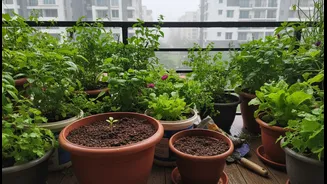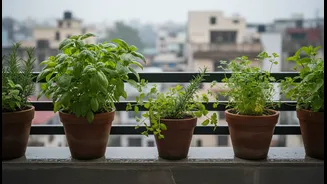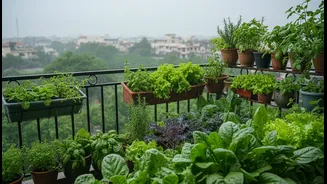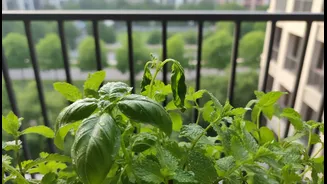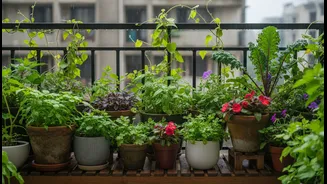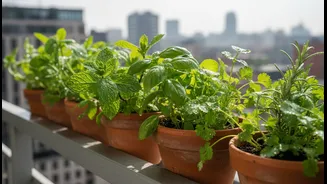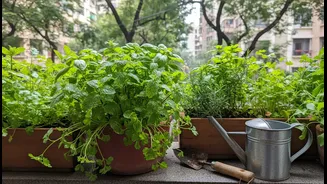







The Monsoon Gardening Dream
As the first showers hit the city, gardeners and aspiring green thumbs feel a familiar pull. The cooler temperatures and high humidity create a perfect environment for plants to thrive. The dream is simple and appealing: stepping out onto your balcony
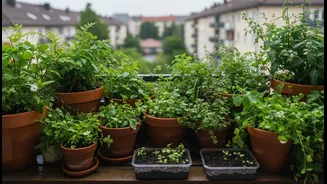
to snip fresh mint for your morning tea, grab a handful of coriander for a garnish, or pluck some holy basil (Tulsi) for its wellness benefits. This vision of a sustainable, farm-to-table lifestyle, all within the confines of your apartment, is especially potent in a bustling city. The monsoon does half the work for you, promising rapid growth and a lush, green oasis that connects you to nature amidst the urban landscape.
Choosing Your Green Companions
Success begins with choosing herbs that love Bengaluru's climate. You don't need a sprawling garden to get started. Many herbs thrive in pots and are perfectly suited for balcony life. Tulsi is revered and remarkably resilient. Mint is famously easy to grow, so much so that it's best to keep it in its own pot to prevent it from aggressively taking over. Coriander is another kitchen essential that does well, though it can grow quickly in the cool weather. Curry leaf plants, lemongrass, and even chillies are also excellent choices that are relatively low-maintenance and reward you with constant fresh supplies. Starting with these reliable herbs increases your chances of a successful harvest and builds confidence.
When Paradise Becomes a Problem
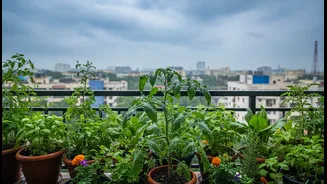
This is where the "daily issue" from the headline emerges. The same rain that fuels rapid growth can also create a host of challenges. The primary culprit during monsoon is overwatering. While the natural showers reduce your manual watering tasks, constant rain can leave soil waterlogged, starving roots of oxygen and leading to root rot. Furthermore, the high humidity, combined with pots placed too close together, restricts airflow and creates a perfect breeding ground for fungal diseases and pests like aphids and mealybugs. Plants that seemed healthy one day can show signs of distress the next, requiring daily inspection to catch problems early. What began as a hobby can start to feel like a demanding daily chore.
The Problem of Too Much Goodness
If you navigate the challenges of pests and watering, you’ll soon face a different kind of problem: an overwhelming abundance. One minute you have a few sprigs of mint, and the next you have a jungle. Your coriander bush explodes, and you have more basil than you could ever use in a single week. This problem of plenty is real. Fresh herbs have a short shelf life, and watching your hard work go to waste is disheartening. The romantic notion of a small herb garden doesn't always prepare you for the reality of managing a sudden, massive harvest from a tiny space. This is often the point where gardeners feel overwhelmed, turning their green paradise into a source of stress.
Smart Solutions for the Urban Gardener
The key to managing your balcony bounty is to have a plan. First, ensure your pots have excellent drainage to combat the monsoon rains. Harvest your herbs regularly, even if you don't need them immediately; this encourages healthy new growth. To handle the surplus, think beyond daily cooking. You can easily preserve your herbs. Chopping them and freezing them in ice cube trays with a little water or oil creates convenient flavour bombs for future meals. Tougher herbs like rosemary and thyme can be infused into oils or butters. Basil, mint, and coriander are perfect for making sauces like pesto or chutney, which can also be frozen for later use. Another simple method is drying. Hearty herbs can be hung in small bunches, while others can be dried quickly in a microwave.