





The Primary Threat: Landslides and Mudflows
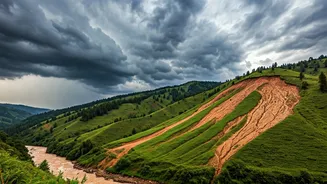
The most significant danger during monsoon in hilly regions is landslides. According to the Geological Survey of India, approximately 12.6% of the country's land area is prone to this hazard, with the Himalayas and Western Ghats being particularly vulnerable.
Prolonged and heavy rainfall saturates the soil and rock, drastically increasing its weight and reducing the friction that holds a slope together. Factors like deforestation and unplanned construction on steep slopes have made the situation worse, weakening the natural stability of the hills. Even a weaker monsoon season can produce short, intense cloudbursts capable of triggering devastating slides with little warning. Regions like Himachal Pradesh, Uttarakhand, and parts of Kerala and Karnataka see frequent road blockages and, tragically, accidents due to collapsing hillsides.
Water's Fury: Flash Floods and Swollen Rivers
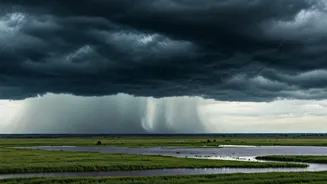
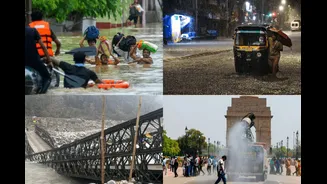
What starts as a picturesque stream can become a raging torrent in minutes. Flash floods are a common monsoon menace, especially in narrow valleys and areas downstream from steep catchments. Cloudbursts—an extreme weather event involving intense rainfall in a small area—can dump massive amounts of water that the landscape simply cannot absorb, leading to sudden, powerful floods that wash away roads, bridges, and buildings. Authorities like the National Disaster Management Authority (NDMA) regularly issue warnings urging people to avoid proximity to rivers and streams during heavy rain forecasts. Swollen rivers not only pose a drowning risk but also make crossings impossible, potentially stranding travellers and cutting off communities.
On the Road: Treacherous Driving Conditions
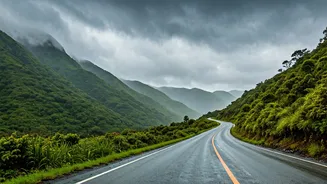
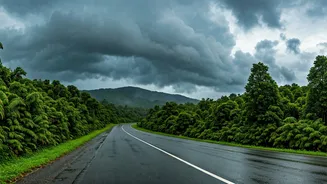
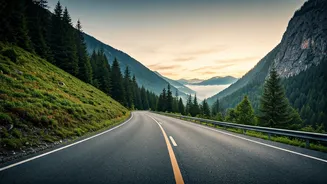
Driving to and through the hills during the monsoon requires extreme caution. Visibility often drops to near-zero due to heavy rain and dense fog. Roads become slick with water, dramatically increasing braking distances and the risk of skidding. Hydroplaning, where tyres lose contact with the road surface, is a real danger. Potholes and damaged sections of road may be hidden under pools of water. Furthermore, drivers must be alert to falling rocks and the possibility of being caught between landslides. It is crucial to check vehicle vitals before any trip, including tyre tread, brakes, and windscreen wipers, and to always drive at a reduced speed. If visibility becomes too poor, the safest option is to pull over and wait for the weather to improve.
For the Adventurous: Trekking and Hiking Risks
While the green-carpeted hills are a trekker's dream, monsoon hiking comes with its own set of challenges. Trails become incredibly slippery, and a simple fall can lead to serious injury. What makes a monsoon trek truly dangerous is not the rain itself, but specific hazards like slippery rock patches, flash floods in narrow gullies, and stream crossings that become impassable. Hikers should wear footwear with excellent grip, use trekking poles for stability, and carry a fully waterproof kit. It is also vital to check if trails are officially open, as many are closed by forest departments for safety during this season. Always inform someone of your route and expected return time, and never trek alone in these conditions.
How to Stay Safe: Essential Precautions
Enjoying the monsoon hills safely is about preparation and respect for nature's power. First, always check the latest weather forecasts from the India Meteorological Department (IMD) and local advisories before and during your trip. Avoid travelling during red or orange alerts. Choose your destination wisely; some hill stations are more prone to landslides than others. Ensure your vehicle is monsoon-ready. When driving, maintain a safe distance from other vehicles, keep headlights on for visibility, and avoid crossing flooded roads. If you are trekking, go with experienced guides, carry appropriate gear, and be prepared to turn back if conditions worsen. Finally, have emergency contacts readily available and ensure your phone is fully charged.