






The Rise of the Orchard Escape
For years, a trip to Himachal meant Shimla, Manali, or Dharamshala. But a significant shift is underway. Travellers, especially those on a budget, are increasingly looking for experiences that offer peace over parties and authenticity over commercialisation.
The pandemic accelerated this trend, embedding a deep desire for open spaces and meaningful connections with nature. Orchard stays fit this new travel brief perfectly. They offer a rare chance to disconnect from urban chaos and reconnect with the rhythms of the land. Instead of ticking off a list of tourist spots, the goal is to simply 'be'—waking up to birdsong, walking through fruit-laden trees, and enjoying simple, farm-fresh meals. This search for slower, more immersive travel is driving the interest in destinations far from the usual tourist trail.
Beyond Shimla: Where to Find These Orchards
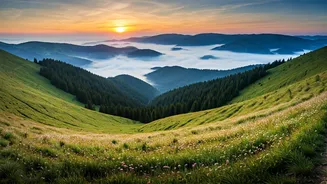
While apples grow across the state, certain regions offer the most idyllic orchard experiences. The most famous is the 'Apple Bowl of India'—the belt of Thanedar and Kotgarh, located about two hours from Narkanda. This area, steeped in apple-growing history since the early 20th century, is dotted with charming homestays run by orchardists. For a more dramatic landscape, the Sangla Valley in Kinnaur is unparalleled. Here, apple orchards are set against a backdrop of towering, snow-capped peaks. Further afield, villages around the Tirthan Valley and parts of the Kullu Valley (away from Manali's main hub) also offer beautiful orchard stays that combine pastoral beauty with opportunities for trekking and angling. The key is to look for farm stays and homestays rather than conventional hotels.
What an Orchard Stay Is Really Like
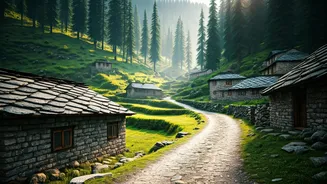
Managing expectations is crucial for enjoying a remote orchard stay. This is not a luxury resort experience with 24/7 room service and infinity pools. The luxury here is simplicity. Accommodation is typically in a homestay, which might be a modern annexe or a room in a traditional family home. The hosts are often the orchard owners themselves, offering a genuine glimpse into their way of life. Food is usually home-cooked, delicious, and sourced locally—think siddu, seasonal vegetables, and, of course, fresh fruits. Your days will be unstructured. You can spend them reading a book under a tree, helping with farm activities if it's harvest season, or taking long walks through the surrounding forests and villages. It’s an experience designed to slow you down.
A Practical Guide to Budgeting
The 'budget' appeal of these trips is a major draw. Getting there is often the biggest cost, but can be managed. HRTC (Himachal Road Transport Corporation) buses, both ordinary and deluxe, offer an affordable and reliable way to reach even remote areas from major cities like Chandigarh and Delhi. For accommodation, homestays are significantly cheaper than hotels, often priced between ₹1500 and ₹3000 per night, a rate that frequently includes meals. Since your activities revolve around nature—hiking, reading, relaxing—you save money on entry fees and guided tours. Eating at your homestay or at local dhabas is also incredibly pocket-friendly. The main strategy is to travel like a local, not a tourist.
The Best Time for Blossoms and Bounties
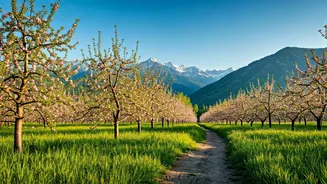
Timing your visit can completely transform your experience. There are two magical windows to aim for. The first is spring (late March to April), when the orchards erupt in a sea of white and pink blossoms. The weather is pleasant, and the valleys look like they’ve been dusted with floral snow. It's a photographer's dream. The second, and more popular, window is the harvest season, which runs from August through October. This is when the trees are heavy with ripe apples, and the air is filled with a sweet fragrance. Many homestays allow guests to participate in apple-picking, offering a unique, hands-on experience. Be mindful that monsoon season (July-August) can bring landslides, so check road conditions before you travel.