



The Nutritional Powerhouse
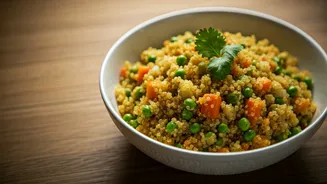
The main reason quinoa is so effective at making salads more substantial is its impressive nutritional profile. Unlike many plant-based foods, quinoa is considered a complete protein, meaning it contains all nine essential amino acids our bodies need.
One cooked cup provides about 8 grams of protein and 5 grams of fiber. This combination of protein and fiber is key to satiety—the feeling of fullness and satisfaction after a meal. Fiber helps to slow down digestion, keeping you feeling full for longer, while protein is essential for building and repairing tissues. It's also naturally gluten-free and packed with important minerals like magnesium, iron, and manganese.
Cooking Quinoa for Salad Success
The texture of your quinoa can make or break a salad. The goal is light and fluffy, not heavy and mushy. The first and most crucial step is rinsing. Quinoa seeds are coated in a natural substance called saponin, which can taste bitter or soapy. To remove it, place your dry quinoa in a fine-mesh strainer and rinse it thoroughly under cool running water for about 30 seconds. For cooking, a good rule of thumb is a 2:1 ratio of liquid to quinoa, although some find a 1.75:1 ratio yields a fluffier result. Bring the quinoa and water (or for more flavor, vegetable or chicken broth) to a boil, then reduce the heat to a simmer, cover, and cook for about 15 minutes, or until the water is absorbed. The final, essential step is to remove it from the heat and let it steam, still covered, for 10 minutes before fluffing with a fork.
Cooling and Flavoring
You should never add hot quinoa to a salad unless you enjoy wilted, soggy greens. For the best texture, allow the quinoa to cool completely. An easy way to speed this up is to spread the cooked quinoa in a thin layer on a baking sheet. This not only cools it quickly but also helps any excess moisture to evaporate, preventing clumps. While the quinoa is still warm, consider tossing it with a little of your vinaigrette. The grains will absorb the flavor more effectively. You can also infuse flavor during the cooking process by adding a bay leaf, a few peppercorns, or a sprig of thyme to the pot.
The Perfect Salad Formula
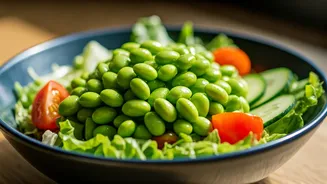
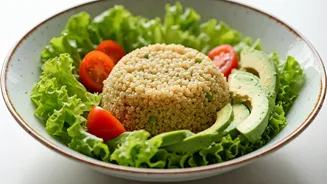
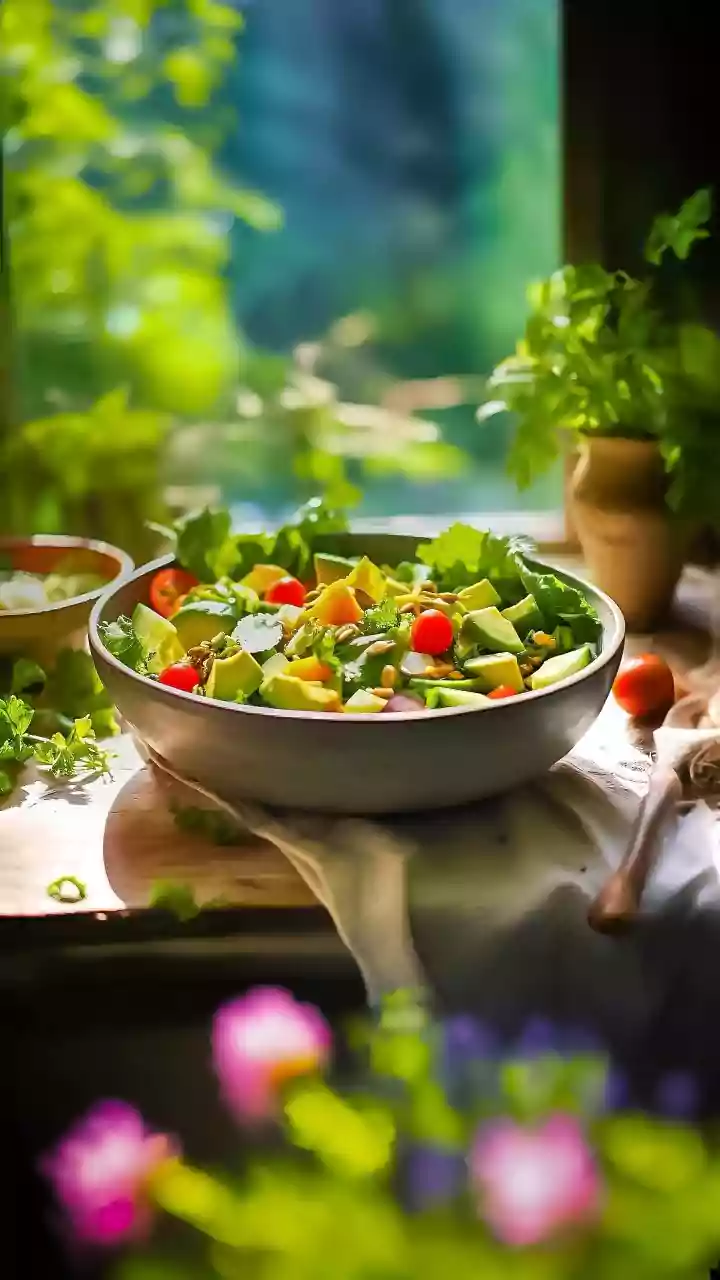
Think of quinoa as the foundation for a meal-worthy salad. To build a balanced bowl, follow a simple formula. Start with a generous base of greens. Add a scoop (about a half to one cup) of your cooled, fluffy quinoa. Now, add your vegetables; aim for a colorful mix for a variety of nutrients and textures—crisp cucumbers, juicy tomatoes, and crunchy bell peppers are great options. Next, incorporate an extra layer of protein or healthy fats. This could be chickpeas, lentils, grilled chicken, a hard-boiled egg, or creamy avocado. Finally, add a flavor-punch with ingredients like feta cheese, olives, toasted nuts, or fresh herbs like mint or parsley. A simple lemon-and-oil dressing is often all you need to tie everything together.
Endless Combinations
The beauty of quinoa is its versatility. It has a mild, slightly nutty flavor that pairs well with a vast array of ingredients, allowing for endless creativity. In the summer, try a salad with quinoa, strawberries, feta, spinach, and a balsamic vinaigrette. For a Mediterranean feel, combine quinoa with cucumbers, tomatoes, Kalamata olives, red onion, and a lemon-herb dressing. A Southwestern-inspired bowl might include quinoa, black beans, corn, avocado, and a cilantro-lime dressing. You can even create heartier autumn salads by mixing quinoa with roasted sweet potatoes, cranberries, and toasted pecans. Don't be afraid to experiment with different dressings and ingredients to find your perfect, filling combination.