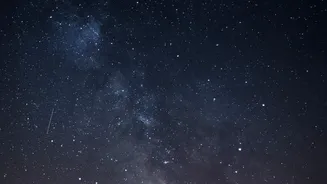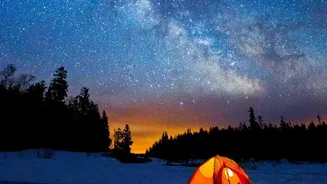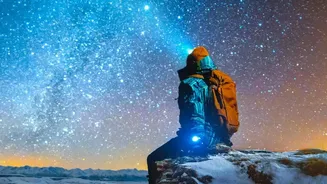





In our light-drenched cities, the simple magic of a star-filled sky can feel like a distant memory. But India's mountains offer a breathtaking escape, where high altitudes and minimal light pollution reveal the cosmos in all its glory.
Hanle, Ladakh: India’s First Dark Sky Reserve
If there is one
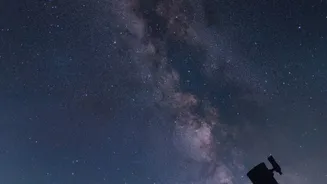
destination that has become the gold standard for astronomy in India, it is Hanle. Located in the remote Changthang plateau of eastern Ladakh at an altitude of about 4,500 metres, this cold desert is home to India's first-ever official Dark Sky Reserve. This designation, established in 2022, is a commitment to keeping the area free from artificial light pollution, ensuring its skies remain pristine for both scientific research and tourism. The region’s high altitude, dry air, and over 250 clear nights a year create near-perfect conditions for observing the universe. Visitors can see the Milky Way in vivid detail, often visible to the naked eye. The journey from Leh takes around eight hours through a stunning, stark landscape, and requires a permit. Local homestays have embraced astro-tourism, with some villagers trained as 'Astronomy Ambassadors' who guide visitors through the cosmos with telescopes.
Spiti Valley, Himachal Pradesh: A High-Altitude Desert Canvas
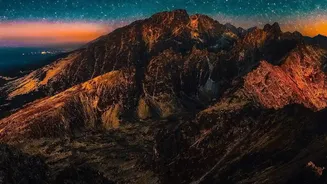
Often called a 'cold desert mountain valley', Spiti is a paradise for stargazers. Its high altitude, with villages like Langza, Kibber, and Komic sitting above 4,200 metres, places you above the thickest parts of the atmosphere. The valley lies in a rain shadow, which means it receives very little rainfall and enjoys exceptionally clear, cloud-free skies, especially between June and October. The near-total absence of light pollution in these remote villages results in what astronomers call Bortle 2 skies—a rating for some of the darkest skies accessible on Earth. On a moonless night, the Milky Way isn't just a faint band; it's a textured, brilliant arc across the heavens. The combination of jagged Himalayan peaks silhouetted against a star-dusted sky makes for an unforgettable and deeply humbling experience. For the best views, plan your trip around the new moon.
Kausani, Uttarakhand: The Himalayan Balcony
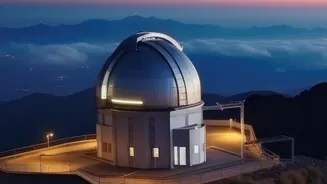
Often called the 'Switzerland of India', Kausani in the Kumaon Himalayas offers a more accessible yet spectacular stargazing experience. Situated at an altitude of around 1,890 metres, it provides panoramic views of Himalayan peaks like Nanda Devi and Trishul. While not as high as Ladakh or Spiti, its distance from major urban centres ensures dark skies with minimal light pollution. Kausani is particularly notable for having dedicated observatories that welcome tourists. Starscapes operates an observatory where visitors can join guided sessions with professional astronomers, using high-powered telescopes to view planets, nebulae, and distant galaxies. These sessions explain the science and mythology behind constellations, making astronomy accessible to everyone. The best time to visit for the clearest skies is from October to March, after the monsoon clouds have retreated.
Coorg, Karnataka: Stargazing in the Western Ghats
While the Himalayas dominate India's high_altitude landscapes, the Western Ghats offer their own unique stargazing opportunities. Coorg, or Kodagu, is a prime example. Nestled among coffee and spice plantations at an elevation of 900 to 1,700 metres, its distance from the urban glow of Bengaluru and Mysuru creates pockets of genuinely dark skies. Especially in areas around Tadiandamol, the highest peak in the district, the night sky is impressively clear. An observatory run by Starscapes near Madikeri allows visitors to explore the southern sky, revealing constellations and celestial objects not easily seen from the northern latitudes of the Himalayas. The experience of watching the cosmos unfold above the fragrant, misty hills of Coorg is magical. The clearest nights are typically found in the winter months, from October through May, outside of the monsoon season.
Katao, Sikkim: An Offbeat Eastern Himalayan Gem
For those seeking a more offbeat destination, Mount Katao in North Sikkim is an excellent choice. Located near the Yumthang Valley at an altitude of around 15,000 feet than Katao is known for its rugged,
snow_clad landscapes and minimal tourist footfall. This seclusion translates to incredibly dark and clear night skies. The high elevation and clean air provide a transparent window to the stars,
making it a promising spot for both naked_eye stargazing and astrophotography. The best time for clear skies in this part of Sikkim is generally between October and March.
As it is a protected area close to the border,
visitors need to obtain a permit,
usually arranged from Gangtok,
to visit Katao.
The journey itself is an adventure,
but the reward is a tranquil night under a canopy of stars in one of the Eastern Himalayas' best kept secrets.