






Shetty’s Surprising Forecast
Contrary to the trend of rising medical expenses, Dr. Devi Shetty, founder of Narayana Health, forecasts that healthcare costs in India could decrease, potentially by 40-50% within the next five to seven years. He envisions a future where India becomes
the first nation to completely separate the quality of healthcare from a person's wealth or affluence. This optimistic prediction is not based on hope alone but on a calculated combination of factors he believes will revolutionise the industry. He argues that through technology, efficiency, and new insurance models, the very structure of how care is paid for and delivered is on the verge of a radical shift. According to Dr. Shetty, this transformation will be so significant that within a decade, India could serve as a global blueprint for affordable, high-quality healthcare.
The Drivers of High Costs Today
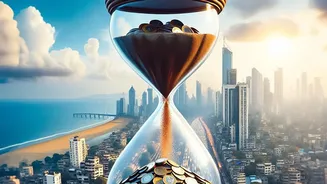
Currently, Indian households face immense pressure from medical inflation, which often rises faster than general inflation. This surge is driven by several factors, including the adoption of advanced medical technologies, the rising cost of medicines, and higher operating costs for private hospitals. A survey highlighted that private healthcare inflation is three times higher than the general Consumer Price Index inflation. Furthermore, India faces a significant shortage of medical specialists, including gynaecologists, anaesthetists, and radiologists, which creates a demand-supply gap that inflates costs. Many families find their savings wiped out by a single hospitalisation, forcing them to break investments, take high-interest loans, or even sell assets to cover expenses.
The Critical Role of Insurance
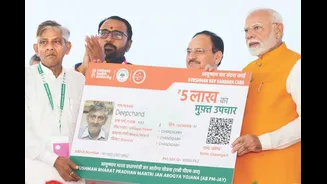
A key pillar of Dr. Shetty's forecast is the expansion and innovation of health insurance. He points out that a major barrier to affordable care is that about 70% of people lack the ready cash to pay for hospital services. The current system is plagued by a trust deficit, where hospitals, insurers, and patients are often at odds. To combat this, Dr. Shetty advocates for a model where hospitals themselves become insurance providers. This would align the interests of the provider and the patient, as the hospital's goal would shift from maximising revenue per procedure to keeping patients healthy and costs down. Narayana Health has already launched its own insurance arm as a test case for this model. He believes that innovative products, like EMI-based premiums and dedicated Health Savings Accounts, will make insurance coverage accessible to the majority of families.
Technology and Efficiency as Game-Changers
Dr. Shetty is a firm believer in leveraging industrial-scale efficiency and technology to drive down costs. He draws inspiration from manufacturing, where high volumes lead to lower unit costs. He argues that the next major breakthrough in healthcare won't be a new pill or scanner, but information technology that redefines service delivery. His forecast of a 40-50% cost reduction relies heavily on the integration of artificial intelligence, robotics, and workflow automation. These technologies can reduce errors, shorten hospital stays, and increase the number of patients a facility can handle, directly attacking the largest cost centres in medicine: manpower and inefficiency. By combining these efficiencies with a dramatic increase in the number of trained doctors and nurses, he believes the system can overcome its current shortages and make care accessible.