






Why Your Gut Needs Extra Care
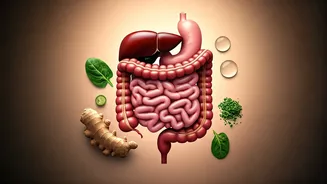
The monsoon season might be a relief from the scorching heat, but the high humidity and reduced sunlight can weaken our digestive fire, or 'agni,' as per Ayurveda. This makes our metabolism sluggish and our gut more susceptible to infections. The damp
environment is a perfect breeding ground for bacteria and fungi, leading to a higher risk of contamination in food and water. This combination of a vulnerable digestive system and an increased presence of pathogens is why ailments like indigestion, diarrhoea, and food poisoning become so common. Prioritising gut-safe food isn’t about paranoia; it's about being mindful and making smart choices to stay healthy and energetic throughout the season.
Foods to Welcome on Your Plate
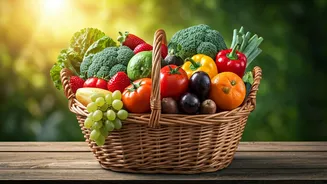
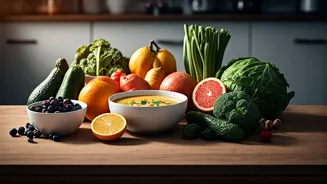
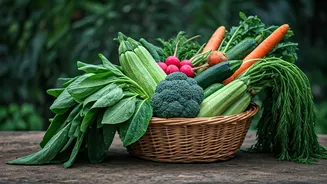
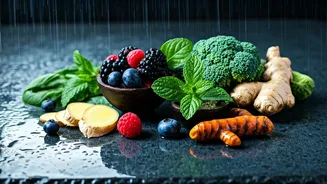
During the monsoon, your best friends are foods that are light, warm, and easy to digest. Think of seasonal vegetables like lauki (bottle gourd), tori (ridge gourd), parwal (pointed gourd), and karela (bitter gourd). These are not only easy on the stomach but also packed with essential nutrients. Soups are another excellent choice—a warm bowl of dal shorba or a mixed vegetable soup can be both comforting and nourishing. Incorporate digestive spices like ginger, garlic, turmeric, asafoetida (hing), and black pepper into your cooking. These spices have anti-inflammatory and antibacterial properties that aid digestion and boost immunity. Opt for whole grains like barley, oats, and old rice, which are lighter than wheat and maize. Probiotic-rich foods like homemade dahi (yoghurt) and buttermilk can also help maintain a healthy gut microbiome.
Foods to Approach with Caution
Some foods, though healthy at other times of the year, become risky during the monsoon. Leafy green vegetables like spinach, cabbage, and cauliflower are a prime example. The damp folds of these vegetables can harbour dirt, germs, and worms that are difficult to wash away completely. If you must eat them, ensure they are blanched in hot salt water before cooking. Raw salads are another big no-no. Raw vegetables carry a higher risk of contamination, and your weakened digestive system will struggle to break them down. It’s best to stick to steamed or stir-fried vegetables. Also, be wary of seafood, especially fish and prawns. The monsoon is the breeding season for many fish, and the risk of water contamination makes them a potential source of stomach infections. If you do consume seafood, ensure it is extremely fresh and cooked thoroughly.
The Siren Call of Street Food
The craving for a hot plate of pakoras or spicy pani puri intensifies when it’s raining, but this is the riskiest time to indulge. Street food vendors often work in unhygienic conditions, with food exposed to the humid air and flies. The water used for chutneys and golgappas is often of questionable quality, making it a primary source of water-borne diseases like typhoid and cholera. Fried snacks are often cooked in oil that has been reheated multiple times, which is not only unhealthy but can also cause severe acidity and indigestion. It’s far safer to satisfy your cravings by preparing these snacks at home, where you have complete control over the ingredients and hygiene. A homemade bhel puri or air-fried pakoras can be just as satisfying without the health risks.
Smart Hydration and Cooking Habits
Staying hydrated is crucial, but where your water comes from matters more than ever during the monsoon. Always drink boiled or filtered water. Avoid drinking water from outside sources unless you are certain it is purified. Instead of cold, sugary drinks that can disrupt digestion, opt for warm herbal teas. A simple concoction of ginger, tulsi, and honey can boost your immunity and soothe your throat. When it comes to cooking, a few simple rules can make all the difference. Wash all fruits and vegetables thoroughly, perhaps with a bit of salt or vinegar in the water. Cook your food completely to kill any harmful bacteria. Finally, avoid eating stale or leftover food. The high humidity speeds up the process of spoilage, so it's best to cook fresh meals and consume them promptly.