





The 30-Day Rule Explained
After a period of uncertainty, the Thai government has confirmed that Indian passport holders will continue to benefit from a visa-free entry scheme. However, a key change has been implemented: the maximum duration of stay under this exemption is now
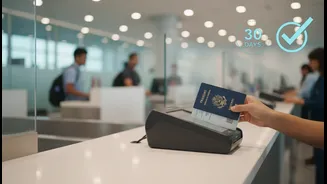
30 days. This decision was made to align with the typical travel patterns of most tourists visiting the country. Previously, a temporary 60-day exemption was in place, but this has been revised. The new 30-day rule was approved by the Thai cabinet in mid-July 2026 after confusion over a potential withdrawal of the scheme led to a drop in arrivals from India, which is one of Thailand's largest tourism markets.
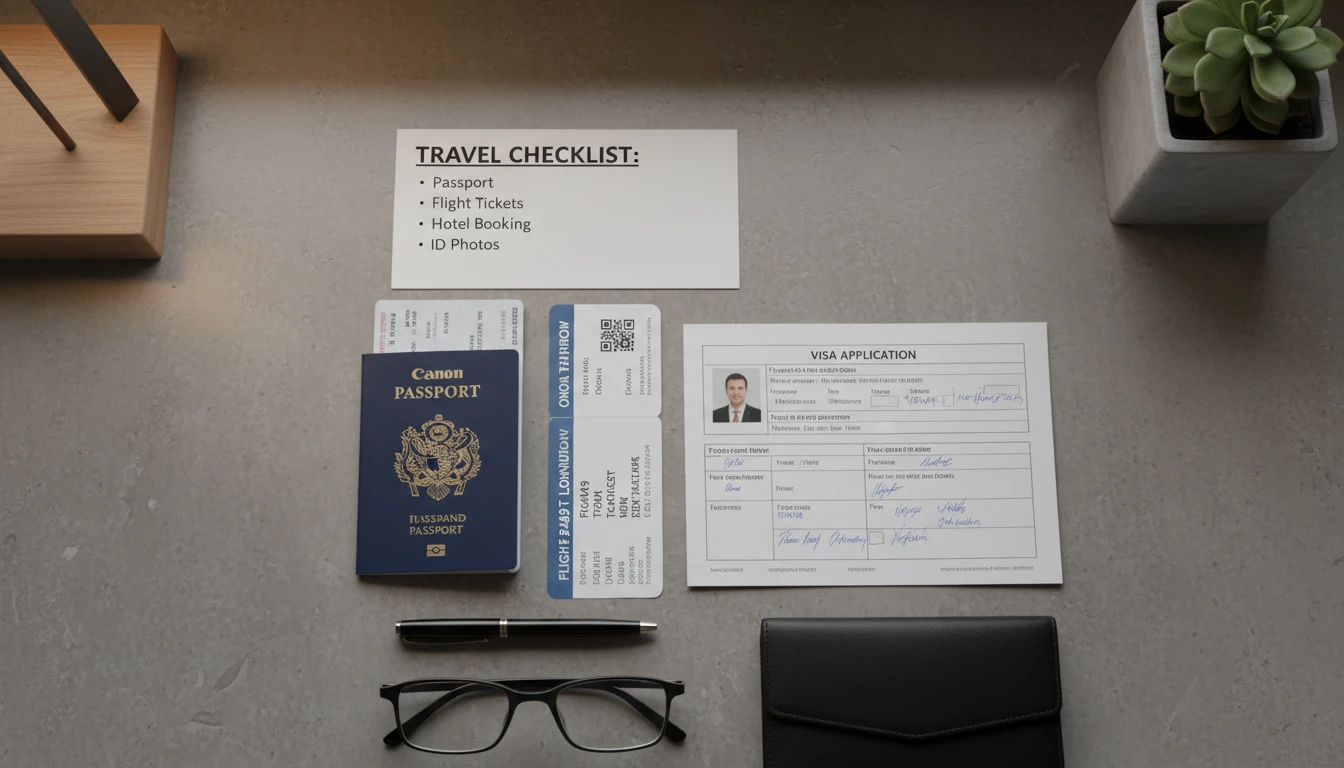
Your Essential Document Checklist
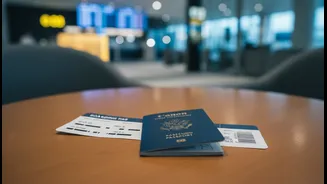
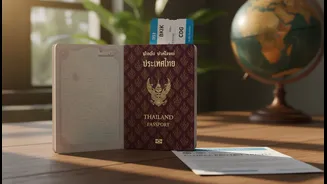
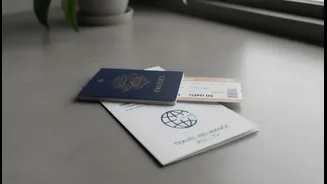
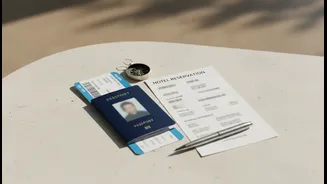
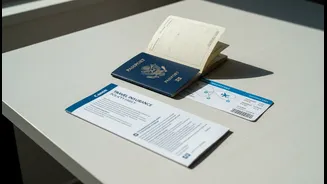
Having your documents in order is the most critical step for hassle-free entry. Immigration officials may ask to see any of these, so it is best to keep them accessible. First, your passport must be valid for at least six months from your date of arrival in Thailand. Second, you must have a confirmed return or onward ticket showing your departure from the country within the 30-day limit. Proof of accommodation, such as hotel bookings for your stay, is also a standard requirement. While not always checked, it's wise to have these papers printed or saved offline on your phone.
Proof of Funds: The Cash Requirement
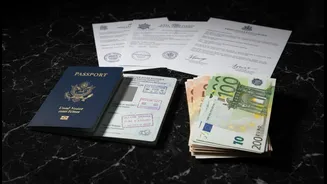
One of the most frequently overlooked requirements is proof of sufficient funds for your stay. For those entering under the visa exemption scheme, you may be asked to show that you have access to adequate finances. The generally stated amount is 10,000 Thai Baht (THB) per individual or 20,000 THB per family. While some reports mention that credit cards can be accepted as proof, immigration officials can insist on seeing cash. It is not necessary to carry this amount in Thai Baht; you can carry it in a major currency like US Dollars or Euros and exchange it upon arrival in Thailand. Random checks do happen, and not being able to provide proof can be a reason for denied entry.
Understanding the 30-Day Limit
The 30-day visa-free stay is strictly enforced. The day you arrive counts as day one, and you must exit the country on or before the 30th day. Overstaying your permitted duration can lead to daily fines and, in more serious cases, detention and being blacklisted from re-entering Thailand. It is important to note that this visa-exempt stay generally cannot be extended within Thailand. If you plan to stay longer than 30 days, you must apply for a proper tourist visa from a Royal Thai Embassy or Consulate in India before your departure. This will grant you a longer stay, typically up to 60 days.
Arrival Procedures and What to Expect
Upon landing at a Thai international airport like Suvarnabhumi (BKK) in Bangkok, you will proceed to the immigration counters. In the past, travellers were required to fill out a TM6 arrival/departure card, but this has largely been phased out at major airports in favour of digital systems. However, be prepared in case it is required. An immigration officer will inspect your passport, may ask for your return ticket and accommodation proof, and will then stamp your entry date. The entire process is usually efficient, but ensuring your documents are complete will prevent any unnecessary delays or stress after a long flight.