


An Orbital Icon Nears Retirement
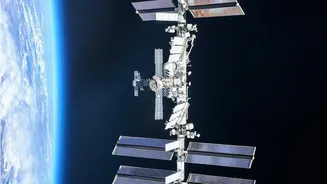
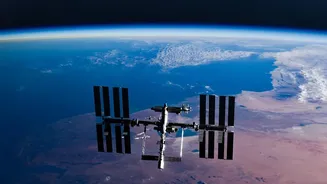
For decades, the International Space Station has been the sole destination for humans living and working in low-Earth orbit. A marvel of global cooperation, it has hosted astronauts from dozens of countries and produced groundbreaking science. But the aging
outpost is scheduled to be deorbited around 2030, creating a critical gap. Without a successor, access to microgravity for research, technology development, and astronaut training could be lost. Recognizing this, NASA has shifted its strategy from owning and operating its own station to becoming a customer of commercial services. Through its Commercial Low Earth Orbit Destinations (CLD) program, NASA is actively funding a new generation of private space stations.
The Rise of Commercial Space Stations
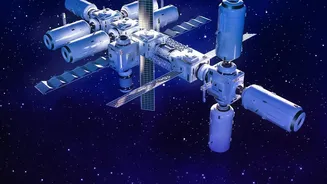
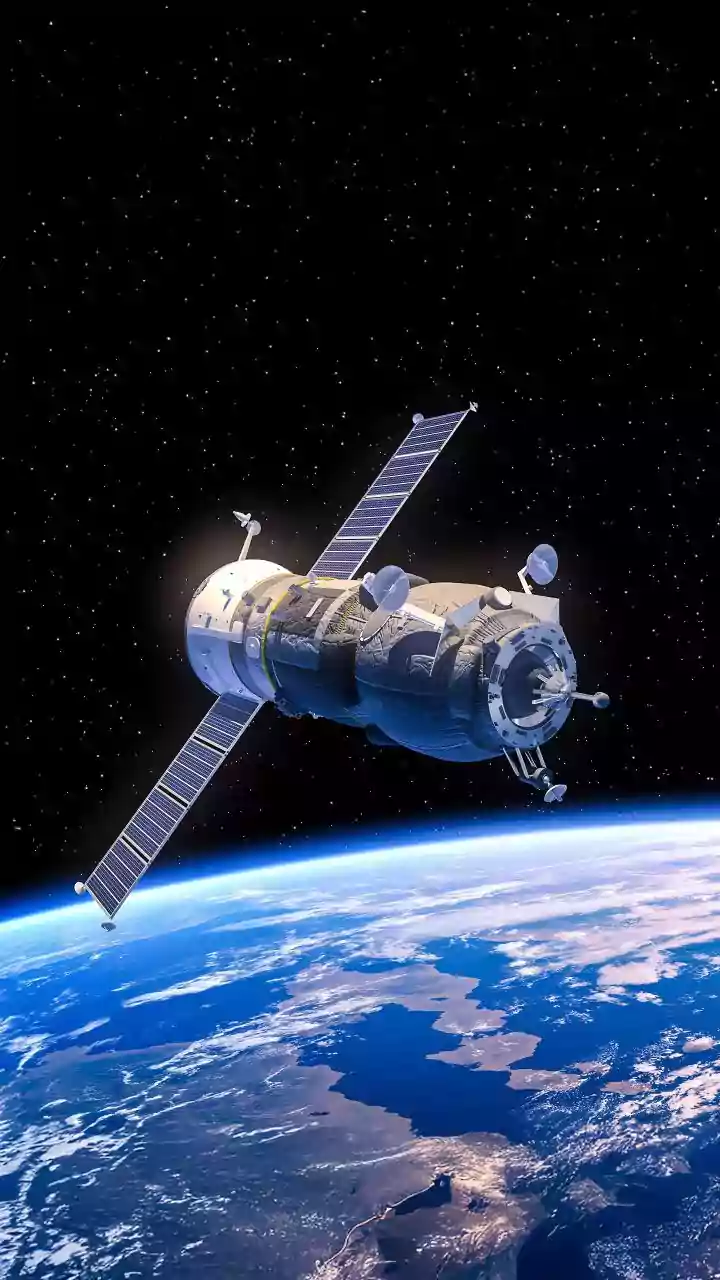
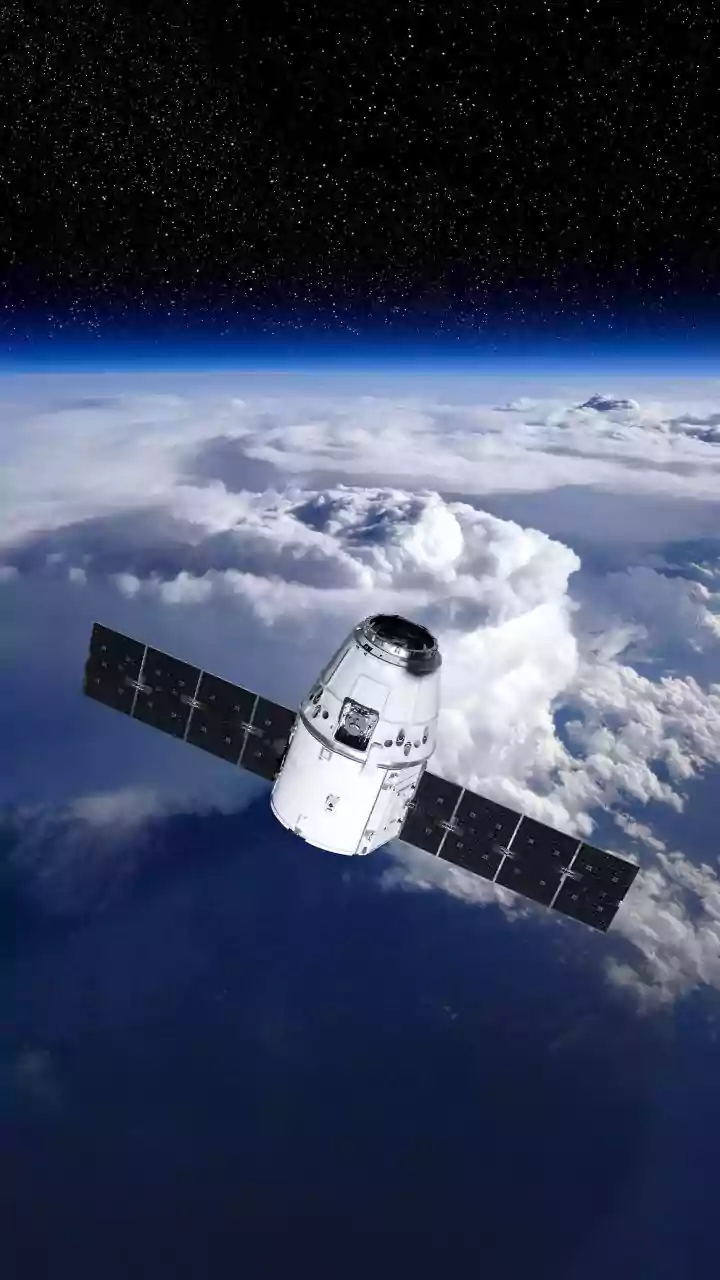
A new breed of aerospace companies is stepping up to build the orbital infrastructure of the future. Firms like Axiom Space, Vast, and the Starlab venture from Voyager Space and Airbus are all developing their own habitats. Axiom Space is taking a unique approach, initially building modules that will attach to the ISS before detaching to become a free-flying station later. Vast plans to launch its first standalone station, Haven-1, as early as 2027. Meanwhile, Sierra Space is developing an inflatable habitat called LIFE that can be launched in a compact state and expand to the size of a three-story building in orbit. These efforts ensure that multiple destinations will be available, creating a competitive marketplace in space for the first time.
What 'Scalable Modules' Really Means
The key innovation these companies offer is modularity. Unlike the ISS, which was built through a complex, multi-decade international partnership, these new stations are like orbital Lego sets. A country's space agency, a university, or a private company can start by leasing space on a single module. As its needs grow, it can contract for a dedicated module or even a series of connected modules to form a private wing of a larger commercial station. This scalability dramatically lowers the barrier to entry. Instead of committing billions of dollars and decades of development to a national space station, a global space agency can now buy or lease exactly the capacity it needs, when it needs it. This pay-as-you-go model makes a human presence in space accessible to a much wider range of nations and organizations.
A New Orbit for Global Ambitions
This new commercial model is a game-changer for space agencies around the world. For nations with emerging space programs, it provides a fast-track to conducting microgravity research without the immense cost of building their own infrastructure. For established players like the European Space Agency (ESA) and Japan's JAXA, it offers a more cost-effective and flexible alternative to the ISS. India's space agency, ISRO, which has announced plans to build its own 'Bharatiya Antariksh Station' by 2035, could also leverage these commercial platforms for astronaut training or specialized research in the interim. The availability of commercial crew transportation from companies like SpaceX means that these agencies can simply book a ride for their astronauts to the commercial outpost of their choice.
More Than Just Science Labs
These next-generation outposts are designed to be more than just research facilities. They are envisioned as bustling hubs for a new low-Earth orbit economy. Companies like Outpost are developing platforms specifically for in-space manufacturing, creating high-value products like specialized optical fibers, semiconductors, and pharmaceuticals that can only be produced in microgravity. Other potential markets include space tourism, media production, and marketing. By serving a diverse customer base, from national astronauts to private researchers and manufacturers, these commercial stations aim to create a self-sustaining economic ecosystem in orbit, independent of any single government's budget.