





The Big Shift: From Nutrients to Patterns
For years, nutrition advice has felt like a chemistry lesson, focusing on individual components like vitamins, proteins, and fats. However, leading institutions like the Indian Council of Medical Research (ICMR) and the National Institute of Nutrition
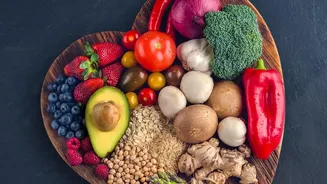
(NIN) are now championing a more holistic approach. Recent guidelines and studies emphasize 'food patterns' — the cumulative effect of what we eat daily. This shift acknowledges that foods work together. The nutrients in a traditional thali, for instance, interact to provide balanced nourishment that is greater than the sum of its parts. This approach moves away from villainizing single foods and instead looks at the entire plate, recognising that the balance of grains, pulses, vegetables, and fats is what truly defines a healthy diet.
What Recent Indian Research Reveals
Recent data paints a concerning picture of the modern Indian diet. One October 2026 study highlighted that while awareness about nutrition is growing, it isn't translating to better eating habits. An analysis by the ICMR and Madras Diabetes Research Foundation found that the average Indian gets over 62% of their daily calories from carbohydrates, many of which are low-quality refined grains and sugars. In contrast, protein intake is often too low. The latest guidelines from ICMR-NIN directly address this imbalance. Their 'My Plate for the Day' recommendation advises that half of our plate should consist of vegetables and fruits. Cereals, which often dominate our meals, should be limited to about 45% of the plate, with a significant portion coming from whole grains and millets.
The Critical Fibre Gap
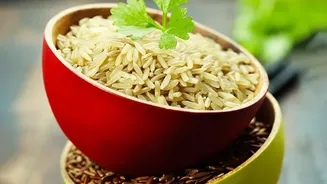
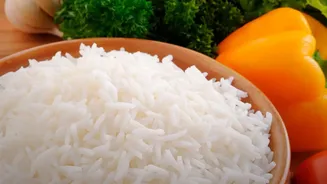
A key concern raised by this new wave of research is India's significant fibre deficit. Dietary fibre, the part of plant foods your body can't digest, is crucial for gut health, blood sugar regulation, and preventing chronic diseases. The ICMR recommends a daily intake of 25-30 grams for adults. However, studies show that the average Indian consumes only about 15 grams per day, and sometimes even less in urban areas. A recent study found that a staggering 89% of urban Indians are misinformed about their daily fibre needs. This gap is largely due to the high consumption of refined grains like white rice and maida, and a low intake of whole grains, legumes, fruits, and vegetables. This chronic low-fibre intake is linked to a rising incidence of constipation, diabetes, and heart disease across the country.
How to Rethink Your Thali
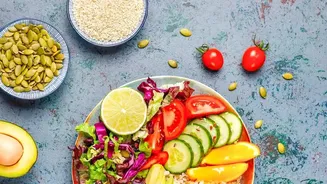
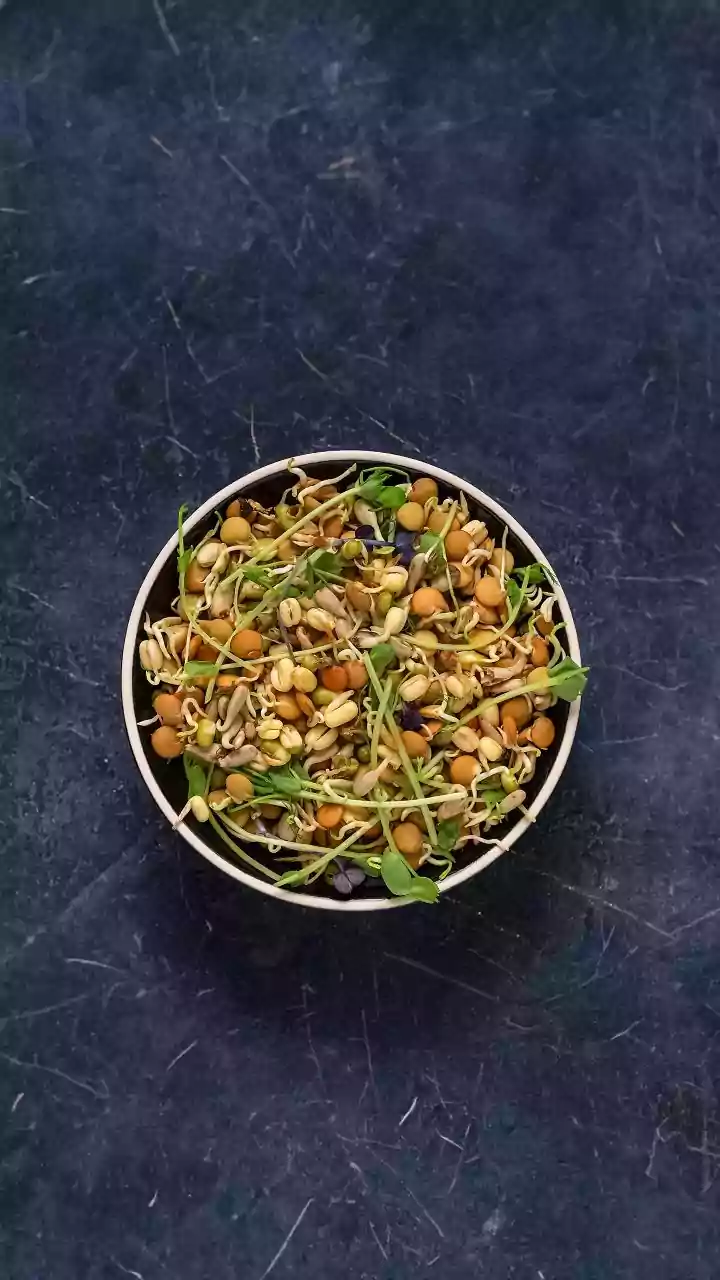
Applying this food-pattern thinking doesn't require a complete dietary overhaul. It’s about rebalancing your existing meals. Start by visually dividing your plate. Aim to fill half of it with vegetables, including green leafy ones. A quarter should be dedicated to protein sources like dal, pulses, paneer, eggs, or lean meat. The final quarter can be for carbohydrates, but with a crucial change: swap refined grains for complex ones. Instead of only white rice, include millets like ragi and jowar, or whole wheat. Simple additions can make a big difference. Adding a side salad, incorporating sprouts into your breakfast, or eating a whole fruit as a snack can significantly boost your fibre and nutrient intake. The goal is variety and balance, ensuring your meals are colourful and nutrient-dense by design.