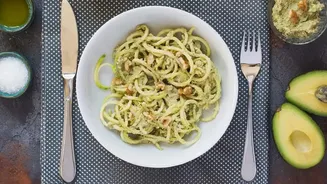



Tired of the usual guacamole and avocado toast? There's a deliciously different way to enjoy this beloved fruit. A creamy avocado pasta sauce is a quick, healthy, and surprisingly simple dish that can transform your weeknight dinner routine.
The Beauty of an Avocado Sauce
Swapping traditional
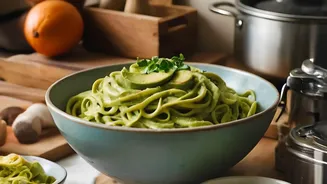
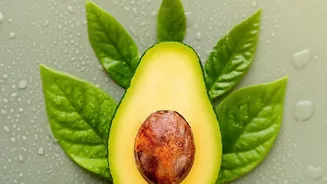
cream or cheese sauces for one made from avocado is a game-changer. The natural fats in the avocado create a luscious, velvety texture without the heaviness of dairy. It’s a simple blend that feels indulgent but is packed with healthy fats, fibre, and nutrients. The best part is its speed; the no-cook sauce can be whipped up in a blender or food processor in the time it takes to boil your pasta, making it a perfect meal for busy evenings. The flavour is often described as similar to a creamy pesto, with the avocado providing a mild, buttery base that allows other ingredients like garlic and herbs to shine.
A Simple, Go-To Recipe
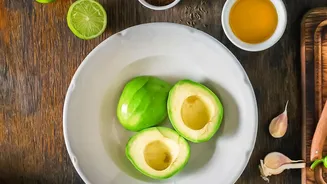
Creating this sauce requires just a handful of fresh ingredients. While there are many variations, a classic base is the best place to start. You will need: two ripe avocados, two to four cloves of garlic, the juice of one lemon, fresh basil or parsley, two tablespoons of olive oil, and salt and pepper to taste. Simply scoop the avocado flesh into a food processor, add the garlic, herbs, lemon juice, oil, salt, and pepper, then blend until completely smooth. If the sauce seems too thick, you can thin it out with a little more lemon juice or, even better, a few tablespoons of the starchy water your pasta was cooked in. This helps the sauce emulsify and cling perfectly to every noodle.
Tips for Perfect Results
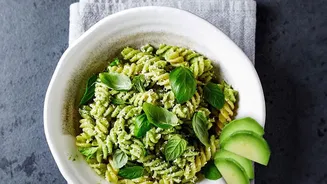
The main challenge with avocado is oxidation, the process that turns it brown when exposed to air. The generous amount of lemon or lime juice in the sauce is key, as the acid significantly slows down this process. For the best flavour and colour, the sauce should be made just before serving and tossed with the pasta while it's still warm; this helps the noodles absorb the sauce beautifully. When it comes to choosing a pasta shape, opt for something that can hold up to a thick sauce. Spaghetti, linguine, and fettuccine are excellent choices. Shapes like fusilli also work well, but very thin pasta like angel hair can be overwhelmed, and the sauce may not get inside tubular pasta like penne.
Easy and Delicious Variations
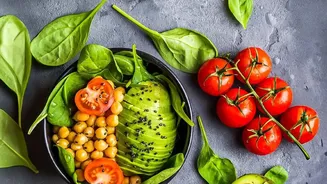
Once you've mastered the basic sauce, it's incredibly easy to customise. For a bit of a kick, add a pinch of red pepper flakes or a sliver of jalapeño to the blender. To add more greens and nutrients, blend in a handful of fresh spinach or arugula. You can also make it extra creamy by adding a spoonful of Greek yogurt. The finished dish is a perfect canvas for toppings. Halved cherry tomatoes add a burst of freshness and acidity, while toasted pine nuts provide a welcome crunch. For a more substantial meal, top the pasta with grilled chicken, sautéed shrimp, or chickpeas. Other popular additions include sun-dried tomatoes, corn, black beans, and crumbled feta cheese.
Avocado pasta is undeniably best when eaten fresh. If you do have leftovers, the key to minimising browning is to reduce air exposure. Transfer the pasta to an airtight container and press a piece of plastic wrap directly onto the surface of the sauce before sealing the lid. Storing the sauce separately from the pasta can also help preserve its texture. While the colour may change slightly in the refrigerator, the flavour will still be good for a day or so. You can enjoy the leftovers cold, like a pasta salad, as reheating can sometimes alter the sauce's consistency.