








What's Being Proposed?
The Goa Forest Department has put forward a significant proposal to have 24 beaches across the state officially designated as turtle nesting sites under the Coastal Regulation Zone (CRZ) Notification of 2019. This list includes 10 beaches in North Goa and
14 in South Goa. If accepted by the department of environment and climate change, this move would grant these areas a higher level of ecological protection, potentially leading to stricter rules governing coastal activities, especially during the annual nesting season.
Which Beaches Are on the List?
The proposal covers a wide swathe of Goa's most popular and ecologically sensitive coastlines. The 10 beaches identified in North Goa include well-known tourist spots like Baga, Calangute, and Candolim, alongside existing nesting sites like Morjim and Mandrem. In South Goa, the 14 beaches include Agonda and Galgibag, which are already recognised as vital turtle habitats, plus others like Palolem, Cavelossim, and Colva. This expansion from the four currently notified nesting sites (Morjim, Mandrem, Agonda, and Galgibag) is a major step up in the state's conservation strategy.
Why Are These Protections Necessary?
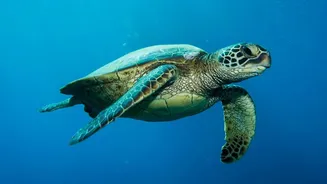
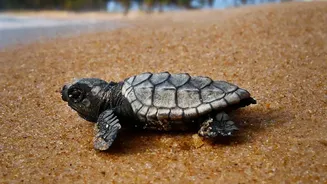
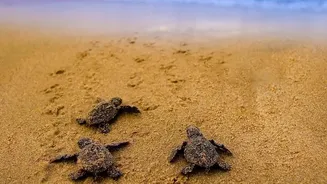
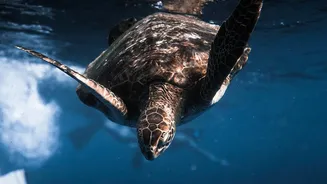
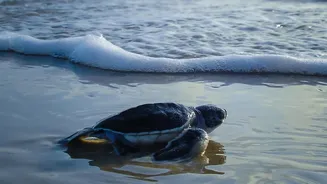
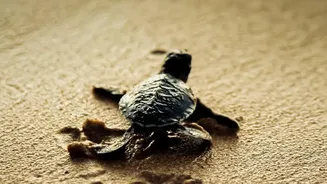
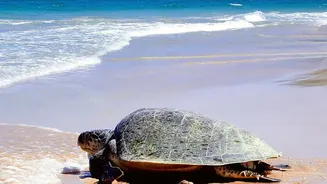
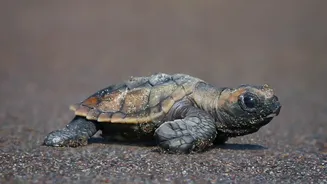
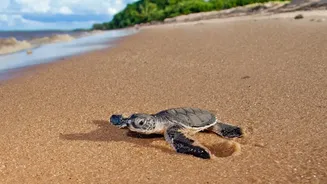
The Olive Ridley sea turtle is a vulnerable species, and only a tiny fraction of hatchlings survive to adulthood. Their nesting season, which typically runs from November to March, coincides directly with Goa's peak tourist season. This creates numerous threats. Artificial lights from shacks and hotels can disorient nesting females and hatchlings, causing them to move away from the sea. Noise from beach parties, obstacles like beach furniture, and general human activity can also disturb the process. The new proposal follows concerns over a decline in the number of nests and eggs recorded in recent seasons, prompting a push for more robust protective measures.
What Could Change for Tourists and Businesses?
If the proposal is adopted, visitors and local businesses could see several changes during the nesting season. The designation under CRZ rules could lead to tighter controls on artificial lighting, the operation of beach shacks, loud music, beach events, and vehicle movement at night. The goal is to keep nesting areas dark and quiet to allow turtles to nest undisturbed. This has sparked concern among some tourism stakeholders, including shack owners and fishermen, who are seeking clarity on how these regulations would affect their livelihoods. They have called for a balanced approach that protects turtles without crippling the local economy that depends on the coast.
Current Conservation Efforts
Goa already has a framework for turtle conservation, managed by the Forest Department with help from local communities and volunteers. At the primary nesting sites of Morjim, Agonda, and Galgibag, hatcheries are set up to protect eggs from predators and human disturbance. Forest guards patrol the beaches, and when a nest is found in a vulnerable spot, the eggs are carefully relocated to the protected hatchery. The State Coordination Committee for Turtle Conservation also recently decided to intensify night patrolling along the four main nesting beaches to prevent illegal activities and other threats.