




A Tectonic Collision Course
The primary reason for Nepal's seismic vulnerability lies deep beneath the earth's surface. The country sits directly on the boundary where two massive tectonic plates—the Indian and the Eurasian—are colliding. For about 50 million years, the Indian plate has
been pushing northward into the Eurasian plate at a rate of several centimetres per year. This immense pressure doesn't release smoothly. Instead, it builds up over decades until the stress overcomes the friction, releasing energy in the form of powerful earthquakes. This ongoing collision is precisely what created the Himalayan mountain range, but it also makes the region one of the most seismically active in the world. The devastating 7.8 magnitude earthquake in 2015 was a stark reminder of the destructive power lurking beneath the mountains.
Young Mountains and Steep Slopes
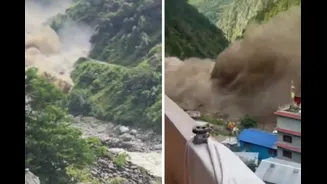
The same tectonic forces that cause earthquakes also created Nepal's defining feature: its incredibly steep and rugged terrain. The Himalayas are geologically young mountains, which means they are not as settled or stable as older ranges. The landscape drops from the highest peaks on Earth to flat river plains in a very short distance, creating extreme slopes. This topography is inherently unstable. The soil and rock are often fragile and loose, making them highly susceptible to collapse. This means that even without an earthquake, the simple force of gravity on these steep hillsides is a constant hazard, setting the stage for frequent landslides.
When the Monsoon Arrives
This fragile geology is put to the test every year during the monsoon season. From June to September, Nepal receives about 80% of its total annual rainfall. This intense precipitation acts as the main trigger for thousands of landslides. The rainwater saturates the soil on the steep slopes, adding weight and lubricating the ground until it loses its strength and gives way. More than 90% of Nepal's deadly landslides occur during this four-month period. The combination of steep slopes and heavy rain creates a recurring recipe for disaster, washing away homes, agricultural land, and vital infrastructure like roads and bridges.
A Cascade of Hazards
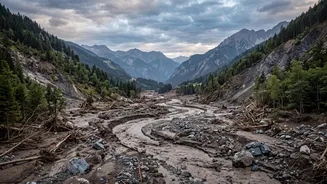
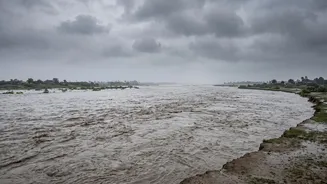
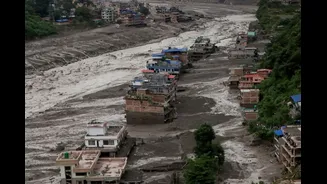
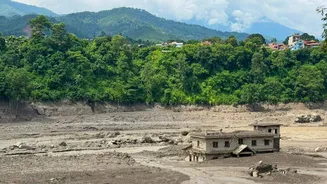
In Nepal, disasters rarely happen in isolation. The different hazards are often interconnected, creating a dangerous domino effect. An earthquake can be the first domino, destabilising slopes and triggering thousands of landslides simultaneously. These landslides, in turn, can crash into rivers, forming temporary dams made of rock and debris. When the pressure of the accumulating water becomes too great, these dams can burst, unleashing catastrophic flash floods downstream that destroy everything in their path. This 'cascading hazard' effect means a single event high in the mountains can quickly evolve into a complex, multi-pronged disaster affecting communities far below.
The Human and Climate Factor
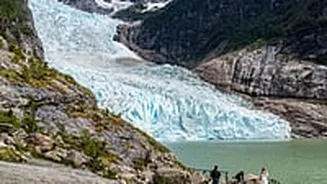
Natural forces are not the only contributors. Human activities often worsen the risk. Haphazard construction of roads, often without proper engineering or drainage, cuts into unstable hillsides and is a major trigger for landslides. Deforestation also plays a role, as tree roots that help bind soil together are removed, leaving slopes exposed. On top of this, climate change is intensifying the problem. Rising global temperatures are causing Himalayan glaciers to melt more rapidly and are making monsoon rainfall more erratic and extreme. This increases the frequency and severity of floods and landslides, adding another layer of risk to an already vulnerable population.