

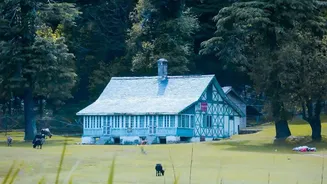
The Allure of a Monsoon Mountain Escape
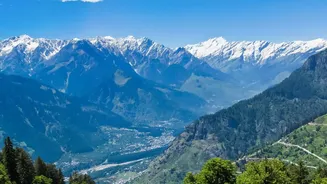
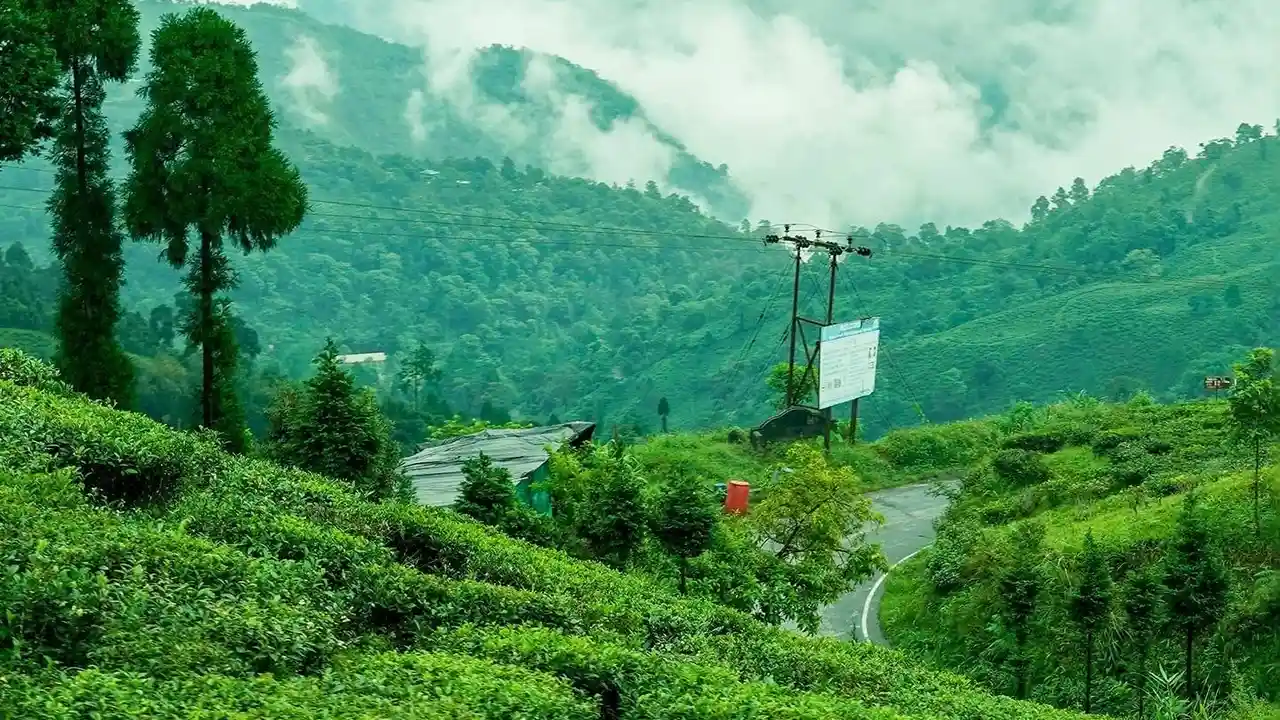
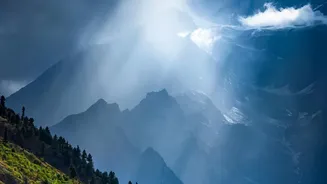
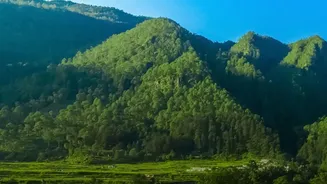
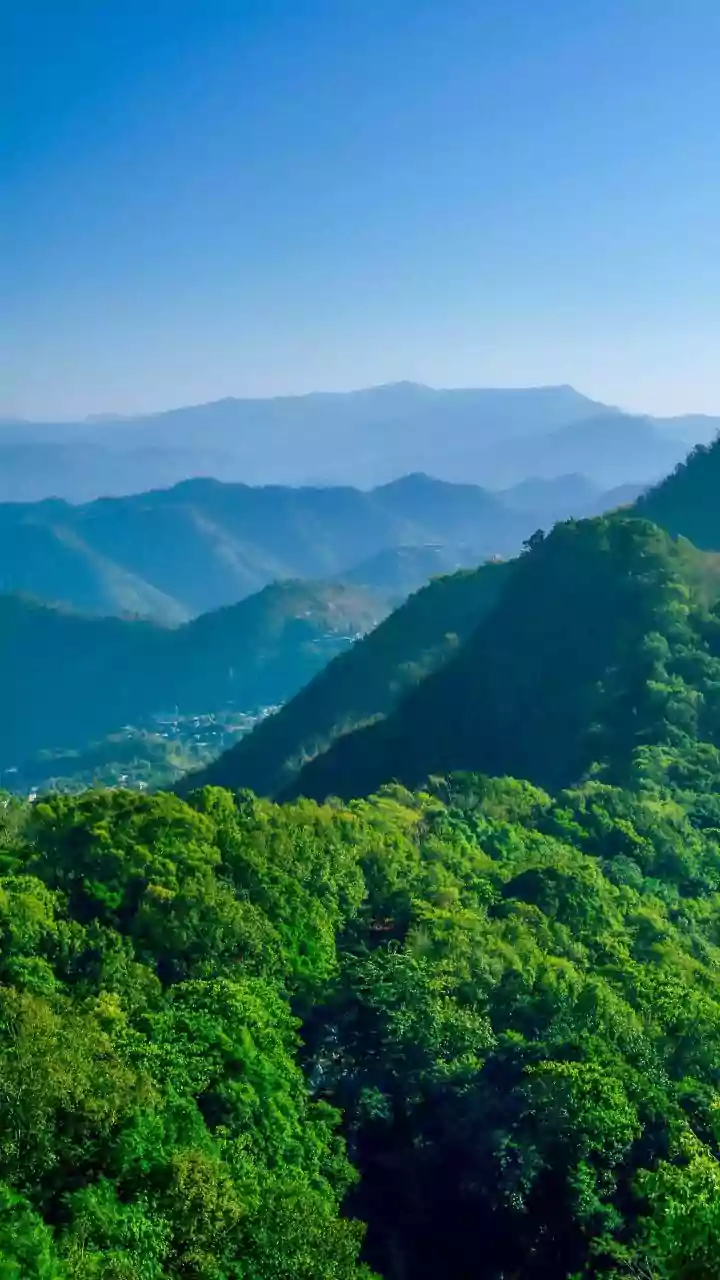
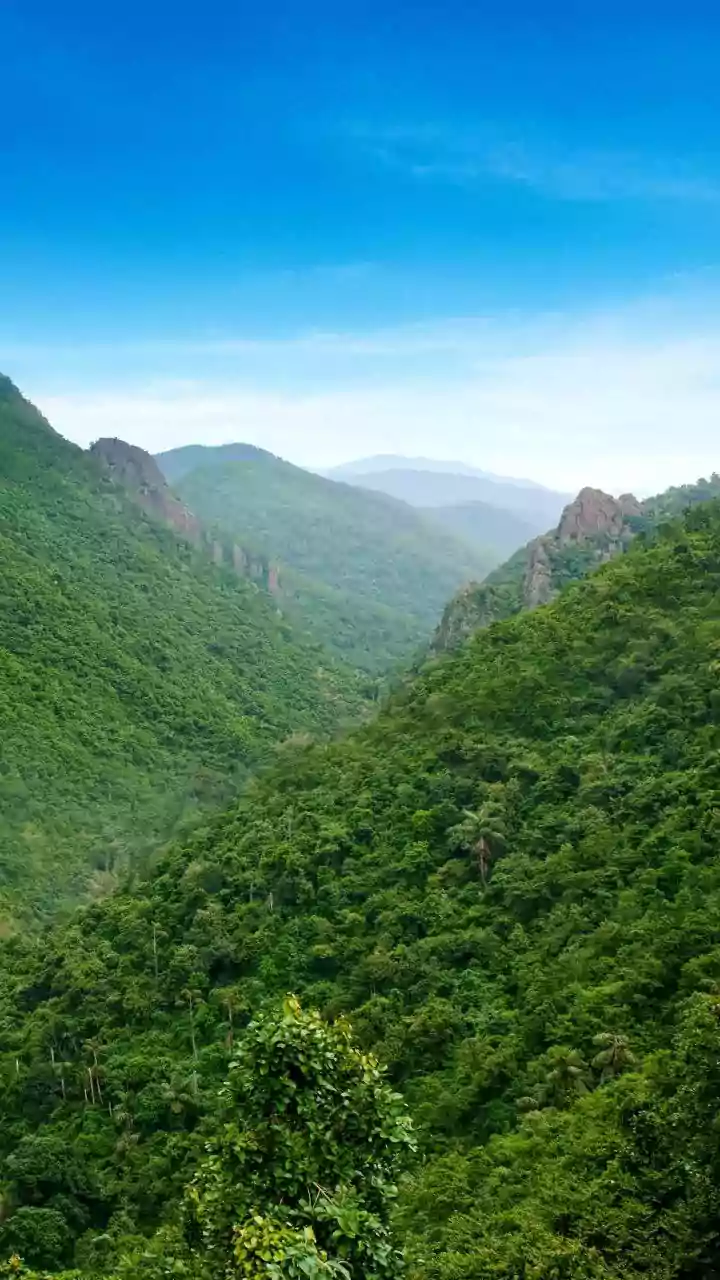
While many travellers avoid the hills during the monsoon, they miss out on a truly transformative experience. July and August wash the landscape in vibrant shades of green, waterfalls roar back to life, and a romantic mist clings to the deodar forests.
It's a season for slowing down, enjoying the rain from a cozy wooden cabin, and seeing nature at its most dramatic and alive. These destinations are not about frantic sightseeing; they are about atmosphere and tranquility, appealing to those seeking quiet over crowds.
Tirthan Valley: The River's Song
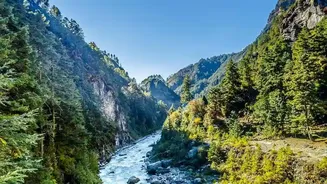
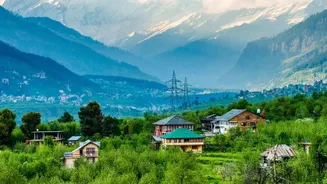
Nestled beside the Great Himalayan National Park, a UNESCO World Heritage Site, Tirthan Valley is an eco-tourism hub that has managed to preserve its serene charm. The valley is named after the pristine Tirthan River, which, during the monsoon, becomes a powerful, rushing waterway. While swimming is off-limits, the sound of the river is a constant, soothing companion. The main hubs like Gushaini and Banjar serve as gateways to quaint villages, riverside homestays, and gentle forest walks. The focus here is on immersion—in nature and in the slow pace of local life.
Monsoon Activities in Tirthan
Adventure in the monsoon-soaked Tirthan Valley is gentler but no less rewarding. One of the most popular activities is the short, 45-minute hike to Chhoie Waterfall. The trail, starting from Nagini village, leads to a cascade that is at its most spectacular during the rains. Short walks through the buffer zone of the Great Himalayan National Park are also possible, provided you check conditions with local guides. Trout fishing, a popular Tirthan activity, is generally suspended as the river runs high. Instead, days are best spent exploring villages like Sharchi, known for its colourful houses, or simply finding a riverside cafe in nearby Jibhi to watch the world go by.
Shoja: A Village Above the Clouds
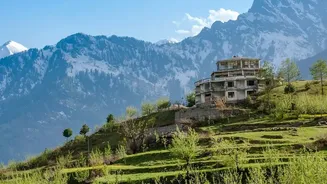
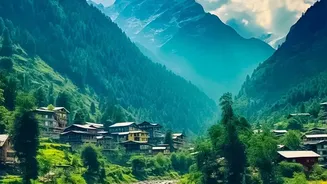
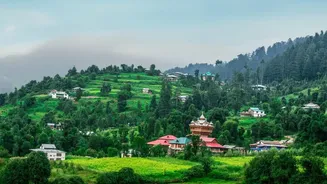
A short, steep drive from Jibhi, Shoja feels like a step into another world. At a higher altitude, it is quieter and more atmospheric than Tirthan. During the monsoon, it is perpetually wrapped in a thick blanket of fog, giving it a cinematic and mysterious feel. This tiny hamlet is the epitome of a slow travel destination. It's a place for readers, writers, and anyone looking to disconnect. The appeal of Shoja lies not in what you can do, but in the permission it gives you to do nothing at all but soak in the silence and the mist.
What to Experience in Shoja
Shoja is the base for the drive up to Jalori Pass, located at an altitude of over 10,000 feet. However, visiting the pass during heavy monsoon should be treated as a bonus, not a guarantee, as the road can be slippery and prone to blockages. The popular trek from the pass to Serolsar Lake is also best avoided during peak rains due to the muddy and leech-infested trails. The true joy of Shoja in the monsoon is found in its immediate surroundings. Enjoy short, cautious walks through the dense forests, find a perch at a local homestay, and watch the clouds and mist perform their daily dance across the valley.
Practical Tips for Your Monsoon Trip
Traveling to the hills in monsoon requires careful planning. Always check road conditions before you start your journey, as landslides can cause delays. It's wise to add buffer days to your itinerary. When booking accommodation, opt for properties on higher ground rather than directly on the riverbank, and confirm if they have power backup. Pack waterproof jackets, sturdy shoes with good grip, and warm layers, as temperatures can drop, especially in the evenings. Carry essential medicines and some cash, as ATM and network connectivity can be unreliable.