





A Return to Generational Wisdom
For years, the pressure cooker has been the undisputed king of the Indian kitchen, celebrated for its speed and convenience. But a growing movement is seeing home cooks look past modern shortcuts and into their grandparents' playbooks. This return to tradition
isn't just about nostalgia; it's a conscious choice for better health and more profound flavour. In a world of instant everything, the slow, deliberate practices of the past are being embraced for their ability to unlock the full potential of pulses, which are nutritional powerhouses rich in protein, fibre, and essential minerals. This shift reflects a broader trend of reconnecting with culinary roots and valuing the time-tested wisdom that prioritised wellness long before it became a buzzword.
The Science of Soaking and Sprouting
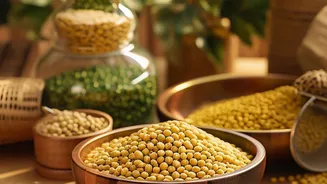
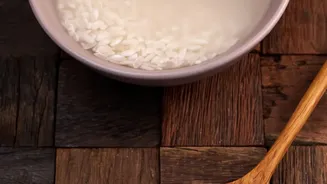
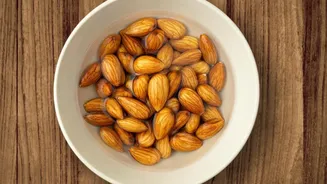
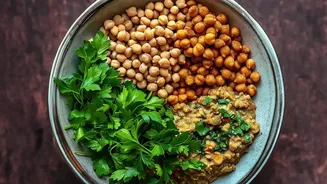
Two of the most revived techniques are soaking and sprouting. Soaking pulses overnight before cooking is a simple step with significant benefits. It helps to break down compounds like phytic acid and lectins, often called 'anti-nutrients', which can interfere with mineral absorption and cause digestive issues for some people. By soaking lentils and beans, home cooks are making nutrients like iron, zinc, and calcium more available to the body. Sprouting takes this a step further. Allowing soaked pulses to germinate for a day or two not only reduces anti-nutrients but also increases the content of B vitamins and enhances protein digestibility. This process essentially pre-digests the pulse, making it much gentler on the stomach and transforming it into a more nutrient-dense ingredient.
The Magic of Earthen Pots
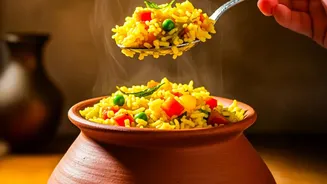
Another significant comeback is the use of earthen or clay pots ('handis'). While pressure cookers cook food quickly with high-pressure steam, clay pots work slowly, allowing heat and moisture to circulate gently and evenly. This slow-cooking method is crucial for pulses. It helps to thoroughly break down the complex carbohydrates that can cause bloating, resulting in a dal that is easier to digest. Fans of clay pot cooking also swear by the superior taste. The porous nature of clay imparts a subtle, earthy flavour that metal pots cannot replicate. Furthermore, since clay is alkaline, it can help neutralize the pH of acidic ingredients like tomatoes, making the final dish milder and more balanced.
Mastering the Art of Flavour
Beyond the cooking vessel, traditional methods emphasize layering flavours with intention. This includes the crucial step of skimming the foam that forms when pulses are first boiled, which helps to remove impurities and results in a cleaner-tasting dal. The final flourish, the 'tadka' or tempering, is an art in itself. It involves blooming spices like cumin, mustard seeds, and asafoetida (hing) in hot ghee or oil and pouring it over the cooked dal. Traditional wisdom guides which spices pair best with which lentil and highlights the use of digestive aids like ginger, cumin, and hing to further improve the meal's digestibility and add a complex aromatic finish.