

Our Place in a Cosmic Neighbourhood
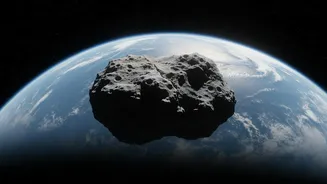
Our solar system is far from empty. It's filled with remnants from its formation—asteroids and comets collectively known as Near-Earth Objects (NEOs). These bodies orbit the Sun just like the planets, but their paths can be nudged by gravitational forces,
sending them into Earth's neighbourhood. While impacts from large, civilization-ending asteroids are exceedingly rare, smaller but still dangerous events are more common. An object just 140 meters across could devastate an entire region. For this reason, spotting them before they spot us is a critical, full-time job for scientists around the world. The effort, known as planetary defense, is a global undertaking to find, track, and characterize these potential threats.
The Eyes on the Sky
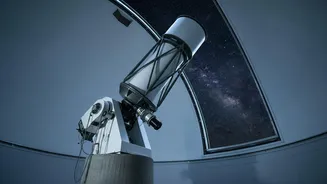
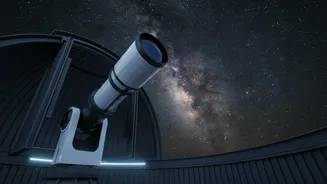
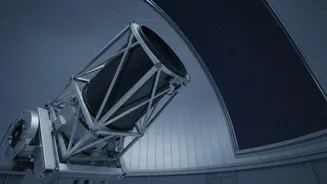
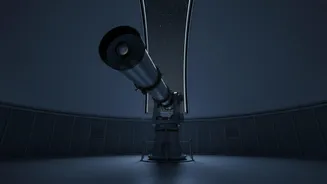
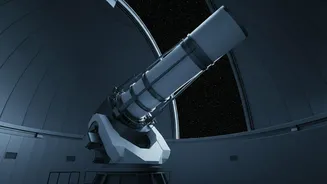
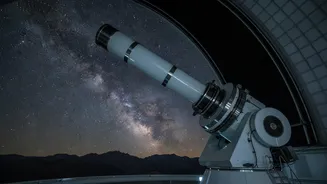
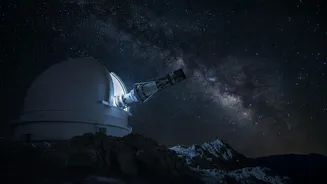
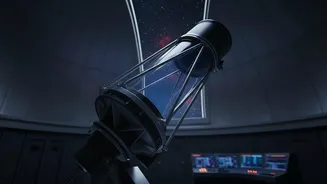
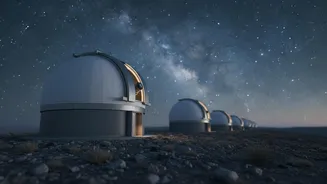
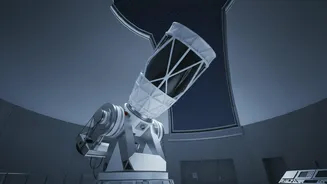
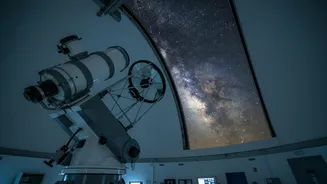
Humanity's early warning system relies on a network of highly specialized, ground-based telescopes. These aren't like the telescopes you might use for stargazing; they are wide-field survey instruments designed to scan huge portions of the sky rapidly. Key players include the Pan-STARRS system in Hawaii and the Asteroid Terrestrial-impact Last Alert System (ATLAS), which has telescopes in Hawaii, Chile, and South Africa. ATLAS is capable of scanning the entire dark sky every 24 hours. These systems work by taking a series of images of the same patch of sky minutes apart. Sophisticated software then analyzes these images, looking for faint dots of light that have moved against the fixed background of stars. That moving dot could be a newly discovered asteroid.
From a Single Dot to a Calculated Risk
Once a potential NEO is flagged, the real work begins. The discovery is reported to the Minor Planet Center (MPC), the international clearinghouse for all asteroid and comet observations. Other observatories around the world are then alerted to perform follow-up observations. These additional data points are crucial for refining the object's orbit. Scientists at centers like NASA's Center for Near-Earth Object Studies (CNEOS) take this data and compute a high-precision trajectory. They project the orbit far into the future to see if it will ever intersect with Earth's path. Because of small uncertainties, this isn't a single line but a cloud of possible orbits. The probability of an impact is the percentage of those possible paths that collide with Earth.
A Global Planetary Safety Net
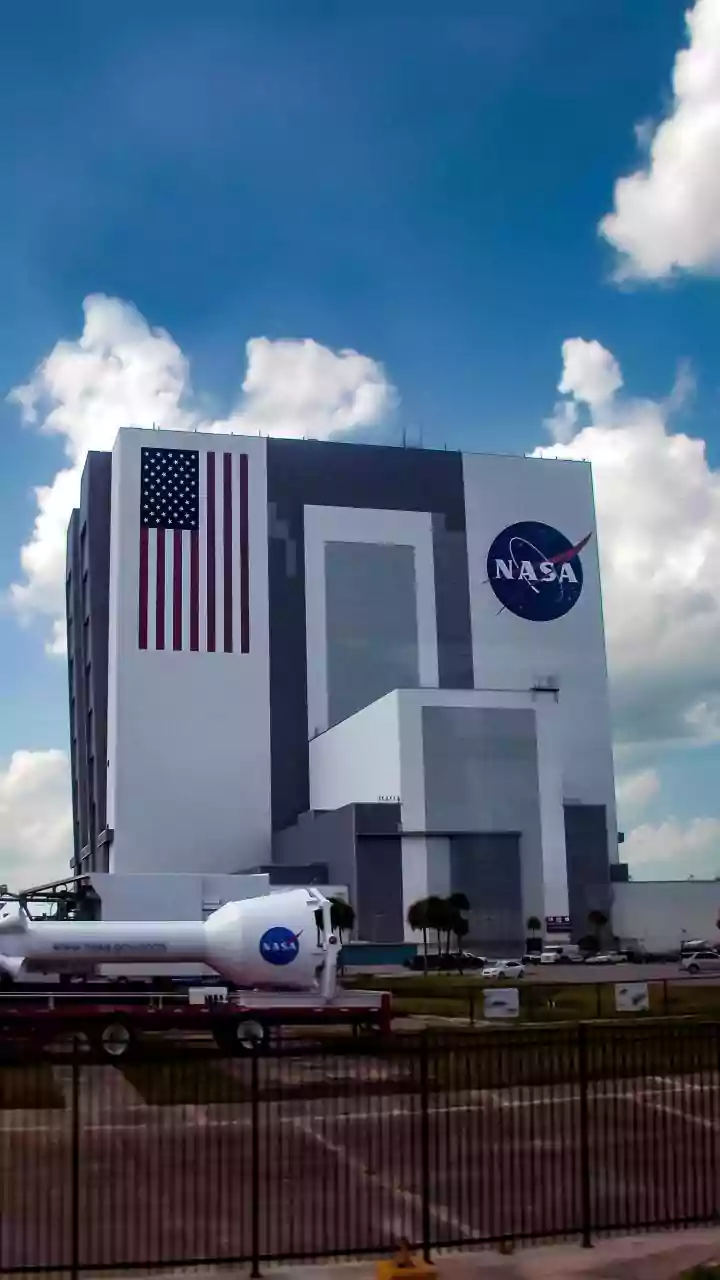
Planetary defense is a team sport. No single country can monitor the entire sky. NASA’s Planetary Defense Coordination Office (PDCO), established in 2016, plays a lead role in the U.S. government's efforts and coordinates with international partners. Through bodies like the International Asteroid Warning Network (IAWN) and the Space Mission Planning Advisory Group (SMPAG), endorsed by the United Nations, space agencies share data and coordinate strategies. If an object is found to have a credible chance of impact, this network is responsible for communicating the threat to governments worldwide. This ensures that information about potential impacts is verified, accurate, and distributed to emergency response agencies, allowing for planning and mitigation.
The Next Generation of Asteroid Hunting
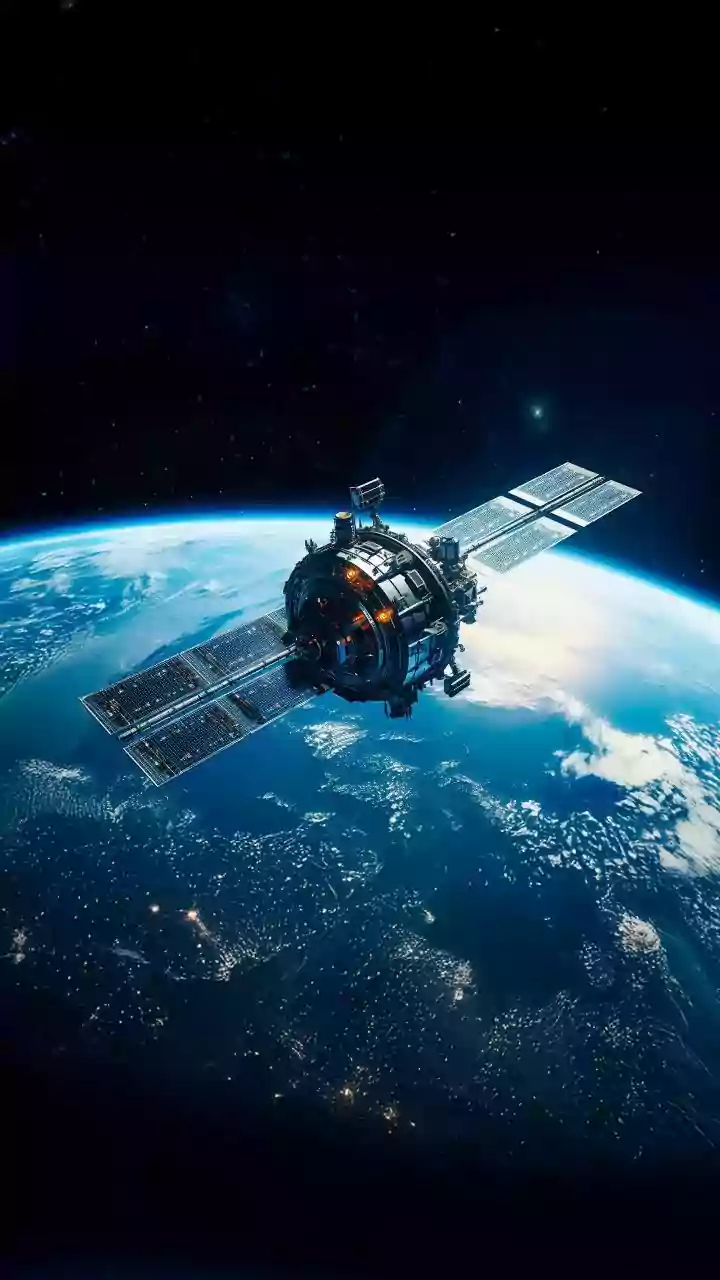
The technology for finding asteroids is constantly improving. The Vera C. Rubin Observatory in Chile, which has recently begun operations, is a game-changer. With its massive camera and rapid scanning speed, it is expected to discover millions of new asteroids, drastically increasing our catalogue of NEOs. In its first few months of testing alone, it has already identified thousands of never-before-seen asteroids. Looking ahead, NASA's NEO Surveyor, a space-based infrared telescope set to launch no earlier than 2027, will further enhance our capabilities. By detecting the heat signature of asteroids, it will be especially effective at finding dark objects that are difficult for ground-based optical telescopes to see. Together, these next-generation instruments will help complete the census of potentially hazardous asteroids, ensuring that if a threat does emerge, we have as much warning time as possible.