








A Conflict Far Away Hits Home
The latest chapter of instability in the Middle East, marked by recent military exchanges between the U.S. and Iran, has turned crucial shipping lanes into high-risk zones. The Strait of Hormuz, a narrow waterway through which a significant portion of global
oil passes, is at the center of these tensions. With attacks on oil tankers and retaliatory strikes becoming more frequent, the risk to global oil supply has increased dramatically. This geopolitical turmoil might seem a world away, but for India, a nation that imports around 85% of its crude oil, the consequences are immediate and severe.
India's Heavy Dependence
India relies heavily on oil imports to power its economy, and a large share of these imports has traditionally come from the Middle East. While India has diversified its sources, including increased purchases from Russia, the stability of the Gulf region remains critical. The current conflict disrupts not just the physical supply but also the cost of getting that oil to Indian shores. Shipping and insurance premiums have skyrocketed, with freight rates from the Gulf to India increasing by over 400% since the conflict intensified. This means even if the base price of oil is high, the cost for India is even higher due to these added logistical and security expenses.
From Crude to Your Car
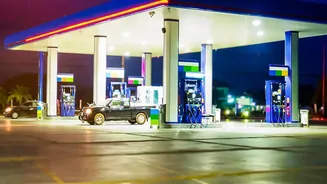
The most visible impact of rising global crude is at the petrol pump. As the price of the Indian Basket of crude oil crosses the $100 per barrel mark, the pressure on domestic fuel prices becomes immense. Oil marketing companies, which absorb initial price shocks, eventually have to pass on the increased costs to consumers. This leads to higher prices for petrol and diesel, directly impacting the monthly budget of millions of households and increasing the operational costs for anyone who relies on transportation.
The Inflation Domino Effect
The ripple effect, however, extends far beyond fuel prices. Since diesel is the primary fuel for trucks and trains, higher transportation costs lead to an increase in the price of nearly all goods, from fresh vegetables to manufactured products. This fuels retail inflation, eroding the purchasing power of every citizen. The Reserve Bank of India (RBI) watches these developments closely, as sustained high oil prices can force it to consider raising interest rates to control inflation, which in turn can slow down economic growth. Even the cost of items like plastics, paints, and other petroleum-based products sees a direct increase.
The Government's Tightrope Walk
A surge in oil prices presents a difficult challenge for the government. Higher import bills strain the country's finances. A rising oil import bill widens the Current Account Deficit (CAD), which is the gap between the value of imports and exports. Projections suggest India's CAD could widen significantly if oil prices remain high. Furthermore, the government faces a tough choice: it can cut excise duty on fuel to provide relief to citizens, but this would mean lower tax revenues, impacting its budget for social and infrastructure spending. Maintaining this balance between public relief and fiscal health becomes a precarious tightrope walk.