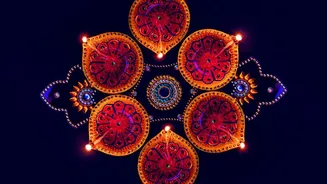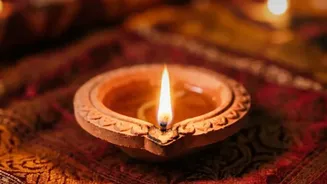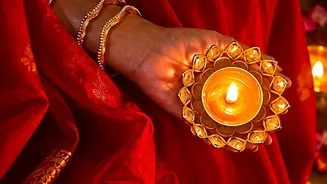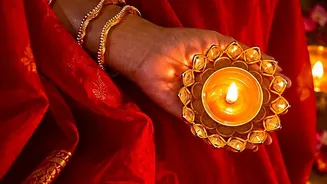





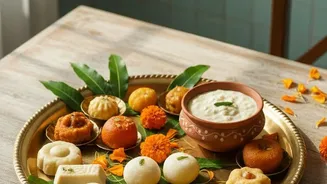
The shimmering glow of diyas, the burst of firecrackers, and the sweet exchange of mithai—Diwali unites India in a festival of light. Yet, beneath the shared joy lies a stunning diversity of traditions that tell their own unique stories.
West Bengal: An Ode to the Fierce Goddess
In most of India,
Diwali night is dedicated to worshipping Goddess Lakshmi, but in West Bengal, the celebration centres around Kali Puja. On the new moon night of Diwali, known as Deepabali, Bengalis honour the fierce and powerful Goddess Kali, who represents the destruction of evil. Pandals across the state house elaborate clay idols of the goddess, and devotees offer red hibiscus flowers, sweets, and perform tantric rites through the night. The day before, known as 'Bhoot Chaturdashi', families light 14 lamps to ward off evil spirits and honour 14 generations of ancestors.
Maharashtra: A Reverence for Cattle and Family
For Maharashtrians, Diwali festivities begin with 'Vasu Baras', a day dedicated to honouring cows and their calves. Married women perform aarti for the cows, showing gratitude for their role in providing nourishment. The festival also includes the 'Abhyanga Snan', a customary early morning oil bath with a special paste called 'utane' instead of soap. Another unique tradition is 'Diwalicha Padva', which celebrates the bond between husband and wife. On this day, wives perform an 'aukshan' (a ritual to ward off evil) for their husbands, who in turn present them with gifts.
Goa: The Dramatic Burning of Narakasura
Goa's Diwali celebrations are marked by the dramatic commemoration of Naraka Chaturdashi. The focus is on Lord Krishna's victory over the demon king Narakasura. In the weeks leading up to the festival, local youth groups build massive, elaborate effigies of the demon, often filled with grass and firecrackers. These towering figures are paraded through the streets on the eve of Diwali before being burnt at dawn, symbolising the triumph of good over evil. The ritual is followed by a scented oil bath and the tradition of crushing a bitter berry called 'kareet' underfoot, signifying the slaying of the demon and the removal of ignorance.
Tamil Nadu: A Pre-Dawn Celebration
In Tamil Nadu, Deepavali celebrations begin before sunrise on Naraka Chaturdashi. The day starts with a customary oil bath known as 'Ganga Snanam', which is believed to be as purifying as taking a dip in the holy Ganges. A unique tradition is the consumption of 'Deepavali Marundhu' or 'Legiyam', a herbal paste, before the festive breakfast. This special medicine is prepared to aid digestion amidst the feasting that follows. After a morning puja, families don new clothes ('Puthu Thuni') and begin bursting crackers, making it a festival that belongs to the early hours of the day.
Punjab: The Day of Liberation for Sikhs
For Sikhs, Diwali coincides with Bandi Chhor Divas, which means 'the Day of Liberation'. This occasion commemorates the release of the sixth Sikh Guru, Guru Hargobind, from Gwalior Fort in 1619. In an act of profound compassion, the Guru refused to leave unless 52 Hindu kings who were imprisoned alongside him were also freed. He cleverly had a special cloak made with 52 tassels, allowing each king to hold onto one and walk to freedom with him. On this day, the Golden Temple in Amritsar is magnificently illuminated with thousands of lamps and fireworks, and Gurdwaras everywhere hold prayers and serve langar (community meals).
Varanasi: Diwali of the Gods
In the holy city of Varanasi, the grandest celebration happens fifteen days after Diwali, on a festival known as Dev Deepavali or 'the Diwali of the Gods'. It is believed that on this full moon night of the Kartik month, the gods descend to Earth to bathe in the Ganges. To welcome them, more than a million earthen lamps (diyas) are lit on the steps of all the ghats along the river. This breathtaking spectacle, combined with the evening Ganga Aarti performed by priests, creates an ethereal atmosphere that attracts pilgrims and tourists from all over the world.