








Build Flexibility into Your Bookings
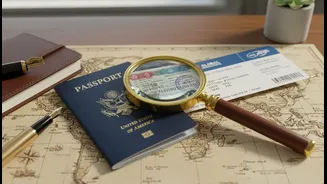
The foundation of a weather-proof trip begins long before you pack your bags. When booking flights and hotels, prioritise options with flexible cancellation policies. Many hotels offer rates that allow you to cancel without a penalty, sometimes up to 24
hours before check-in. While these might cost slightly more than non-refundable rates, the peace of mind they provide is invaluable. Similarly, many airlines have eliminated change fees on most fares, allowing you to switch your flight to a different day and receive a travel credit if your plans change. Always read the fine print to understand the specific deadlines and conditions for cancellations or changes. This upfront diligence ensures that if a major weather event is predicted, you have the freedom to adapt without losing your investment.
Curate Your Indoor Alternatives
Instead of scrambling when the rain starts, do your research ahead of time. Every destination, from a bustling city to a quiet mountain town, has a wealth of indoor activities waiting to be discovered. Create a “rainy day” bucket list for your location. This could include interactive science museums, local art galleries, historical landmarks, or even a hands-on cultural cooking class. Don't underestimate the simple pleasures, like settling into a cozy cafe, visiting a unique local market, or enjoying a themed movie marathon. For families, having a pre-vetted list of high-energy indoor venues like trampoline parks or climbing gyms can be a lifesaver. Mapping these spots out in advance turns a potential disruption into a planned and exciting alternative.
Understand Your Travel Insurance
Travel insurance can be a crucial safety net, but it's important to know what it covers. Standard trip cancellation insurance may reimburse you for non-refundable costs if you have to cancel your trip for a covered reason, which can include unforeseen weather events, medical emergencies, or natural disasters. However, policies differentiate between trip cancellation (before you leave) and trip interruption (once you've already started your journey). It's also important to note that a general forecast for rain won't typically trigger coverage. The weather event usually needs to be significant enough to cause a flight cancellation or make your destination uninhabitable. Review policies carefully to see how they define weather-related disruptions and what documentation is needed to file a claim.
Leverage Technology for Real-Time Pivots
Your smartphone can be your most powerful tool for adapting on the fly. Before you go, download a reliable weather app that provides detailed, real-time radar and severe weather alerts. Apps like TripIt can help organize all your bookings into a single itinerary, while Google Maps allows you to save and map out your indoor 'Plan B' locations for easy navigation. If your plans get completely washed out, apps like GetYourGuide or Booking.com can help you find last-minute tours or deals on indoor activities and accommodations. Being able to check the hour-by-hour forecast and quickly find a nearby alternative can make all the difference between a ruined day and a spontaneous adventure.
Embrace a Mindset of Spontaneity
Ultimately, the best way to weather-proof your vacation is to shift your mindset. Instead of viewing a rigid itinerary as the only path to a successful trip, think of your plan as a flexible guide. Sometimes the most memorable moments come from unexpected detours. A rainy day might lead you to a charming local pub, an incredible museum exhibit you would have otherwise missed, or simply a welcome chance to slow down and relax. By building flexibility into your schedule and seeing changes as opportunities rather than failures, you protect your trip from more than just bad weather—you protect it from disappointment. Often, the cozy, forced-proximity rainy days end up creating some of the warmest memories.