




Your Skin's Personal Bodyguard
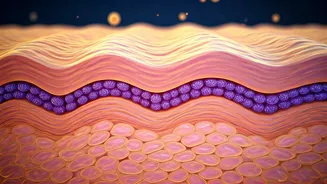
Think of your skin barrier as a microscopic brick wall. The bricks are tough skin cells called corneocytes, and the mortar holding them together is a mix of natural fats like ceramides, cholesterol, and fatty acids. This structure, officially known as the stratum
corneum, has two critical jobs. First, it keeps good things in, primarily water, preventing the dehydration that leads to dull, tight skin. Second, it keeps bad things out, protecting you from a daily barrage of environmental threats like pollution, UV rays, and harmful bacteria. When this barrier is healthy and functioning properly, your skin looks and feels smooth, calm, and hydrated.
The Modern Assault on Your Skin
So why the sudden urgency about protecting it? Our barriers are facing an onslaught of modern aggressors that past generations never dealt with. Chronic exposure to urban pollution, including dust and traffic fumes, generates free radicals that break down collagen and weaken the barrier. The blue light emitted from our ever-present screens—phones, laptops, and tablets—also contributes to oxidative stress and can weaken the barrier over time. Add to this internal factors like psychological stress and a collective tendency towards over-exfoliation with powerful chemical actives. Many people, in their quest for perfect skin, are unintentionally stripping away the very layer that keeps it healthy, leading to a cycle of damage.
Is Your Barrier Crying for Help?
A damaged skin barrier sends clear signals. The most common signs include persistent dryness, flakiness, and a feeling of tightness, even after moisturizing. Your skin might become newly sensitive, with products that you once loved suddenly causing stinging, burning, or redness. You might also experience an increase in breakouts, as a compromised barrier can allow acne-causing bacteria to penetrate more easily. It can feel like your skin is betraying you—acting dry and oily at the same time—but it's really just a sign that its defences are down.
How to Rebuild and Protect
The good news is that a damaged barrier is not a life sentence. With the right approach, you can repair it. The first step is to simplify your routine. Cut back on harsh scrubs, strong acids, and high-concentration retinoids until your skin calms down. Focus on gentle, hydrating cleansers and lukewarm water. Next, load up on ingredients that rebuild that 'mortar'. Look for moisturizers packed with ceramides, which directly replenish the barrier's building blocks. Niacinamide (Vitamin B3) is another hero ingredient, as it helps your skin produce its own ceramides. Finally, ingredients like hyaluronic acid, glycerin, and squalane help draw and lock in moisture, supporting the healing process.