




A Boom with a Bottleneck
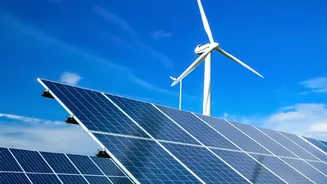
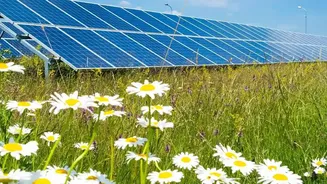
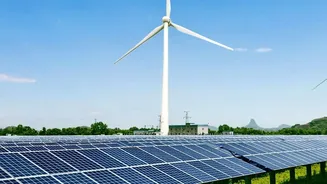
India has made incredible strides in renewable energy, with installed solar capacity surging in recent years. The country has been adding solar farms and rooftop panels at a record pace, pushing non-fossil fuels to about half of the nation's total installed power
capacity. This success story, however, has run into a major hurdle. The pace of building new solar projects has dramatically outstripped the development of the infrastructure needed to transport that power. It's like building a giant new factory without ensuring there are enough roads to get the goods to market. This mismatch means that when solar farms are generating at their peak, there isn't always enough capacity on the transmission lines to carry all that electricity to where it's needed.
The Challenge of 'Curtailment'
When the grid cannot handle the amount of electricity being produced, grid operators are forced to 'curtail' generation. This means they instruct solar power plants to reduce their output or simply reject the power they are trying to feed into the system. In the first quarter of 2026 alone, hundreds of gigawatt-hours of clean electricity were lost due to transmission constraints. Over a 15-month period, India curtailed enough solar power to power about 10 million homes. This isn't just a waste of clean energy; it also represents a missed opportunity to reduce reliance on coal, which still generates the majority of India's electricity. This curtailment happens primarily for two reasons: technical constraints like transmission congestion, and the need to maintain grid security and stability.
The Grid's Balancing Act
An electricity grid is a complex system that must be perfectly balanced at all times, with supply matching demand in real-time. Solar power is 'variable'—it peaks in the sunny afternoon and disappears at night. India's electricity demand, however, often stays high into the evening, driven by cooling needs from air conditioners long after the sun has set. The grid was originally designed for the steady, predictable power from coal plants. These large plants cannot be switched on and off quickly, and many are required to run at a minimum level, limiting their flexibility. When solar generation floods the grid midday, there's often an oversupply of power that the system cannot absorb, especially if coal plants cannot ramp down fast enough. This forces operators to curtail the cheapest and cleanest power available—solar—to prevent the grid from becoming unstable.
The Missing Piece: Energy Storage
The most obvious solution to this timing mismatch is energy storage. Large-scale battery systems can absorb the excess solar power generated during the day and discharge it during the evening peak demand hours, smoothing out the supply and making renewable energy available when it's most needed. While India has begun investing in battery energy storage systems (BESS), the current capacity is a fraction of what is needed to solve the problem. A working paper from the Economic Advisory Council to the Prime Minister noted a massive gap between the storage required and what is currently available. Without sufficient storage, the surplus solar energy generated at noon has nowhere to go, leading directly to curtailment.
Forging the Path Forward
Solving this issue requires a multi-pronged approach. First is aggressively upgrading and expanding the national transmission infrastructure to reduce congestion, a process that is capital-intensive and takes significantly longer than building a solar plant. Second is rapidly scaling up investments in energy storage solutions, from utility-scale batteries to pumped hydro storage. Policies that encourage more flexible operation of conventional power plants would also help create more room on the grid for renewables. Finally, smarter grid management, using AI and demand-side responses—where consumers are incentivised to shift their electricity usage—can help align demand more closely with when renewable energy is abundant.